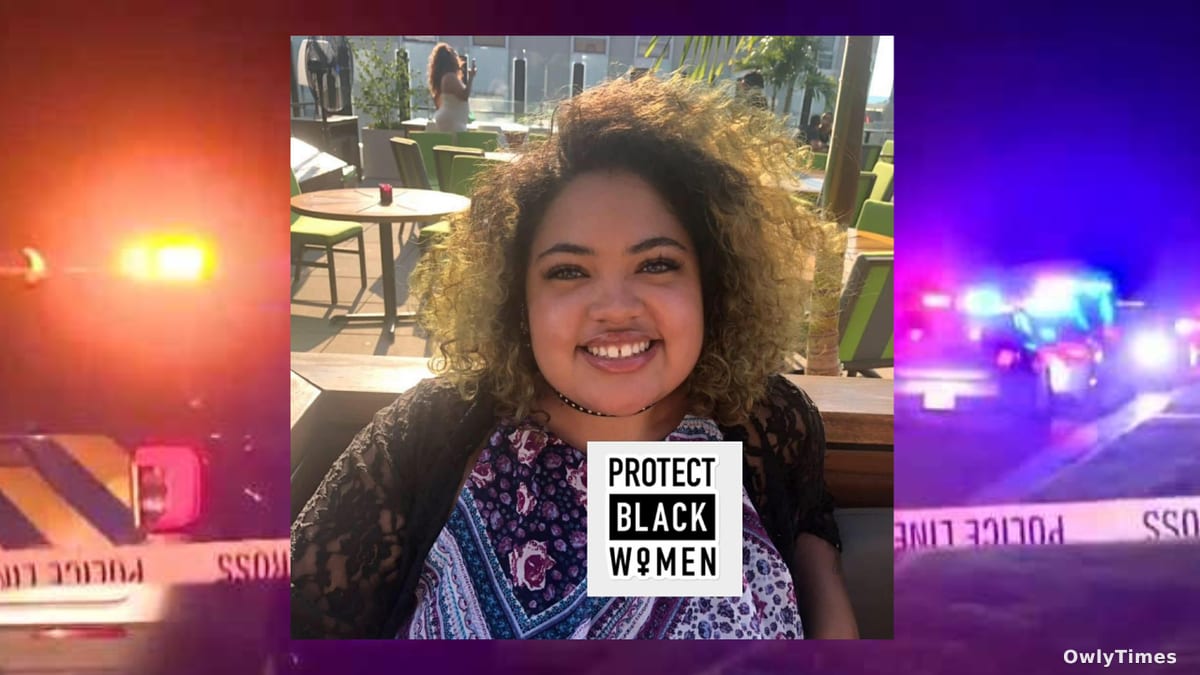

The release of body camera footage in the case of Katelyn Hall, a 28-year-old woman shot by Louisville police during a mental health crisis, isn’t simply about assigning blame or confirming narratives. It’s a stark illustration of a systemic challenge: the inherent difficulty of applying procedural training to the chaotic reality of a rapidly escalating situation involving severe mental distress. While headlines focus on the seconds between Hall’s emergence from the bathroom and the officers firing their weapons – a timeframe LMPD confirms was approximately one to two seconds – the more critical, and far more complex, question is how those seconds came to be, and what preventative measures could have altered the trajectory of that night. The footage, released a week after the March 27th incident, reveals a scenario where established protocols appear to have fractured under pressure, leaving a tragic outcome and a community grappling with difficult questions.
The initial 911 call, as played during the press conference, paints a picture of a family desperately seeking help for a loved one in acute crisis. Hall’s family reported self-harm – specifically, wrist cuts and ingestion of cleaning products – and her self-declared intention to end her life. This immediately establishes the call as a mental health emergency, triggering a response that, ideally, prioritizes de-escalation and preservation of life. Officer Robert Baker was the first responder, and his 13-minute body camera footage shows a period of calm dialogue with Hall through the locked bathroom door. He requested backup and, crucially, less-lethal options. This initial phase appears to align with Crisis Intervention Team (CIT) training, which LMPD stated all officers receive. However, the subsequent arrival of additional officers and the evolving dynamics of the situation introduce critical points of divergence from ideal protocol.
This article draws on reporting from wlky.com.
The audio captured by Officer Greenwade’s camera – “We need to sit back until the other cars get here. This is about to turn into something else” – is particularly revealing. It suggests a shift in strategy, a deferral to a perceived need for greater force presence before attempting further de-escalation. This “wait and see” approach, while potentially intended to ensure officer safety, arguably ceded control of the situation to the escalating distress of Hall. The arrival of the fire department, tasked with breaching the bathroom door, further complicated matters. While their intervention was intended to provide access for potential rescue, it ultimately removed the physical barrier that had allowed Officer Baker to maintain a degree of communication and control. The officers’ decision not to deploy their tasers, despite having them available, remains a central point of inquiry. Deputy Chief Emily McKinley stated the officers would need to explain this decision during their interviews, but the absence of a clear justification raises concerns about a reliance on lethal force when other options existed.
It’s important to note the inherent limitations in interpreting this footage. LMPD itself acknowledged that the released video “does not and will not answer every question,” and that some questions may remain permanently unanswered. The compressed timeframe of the final confrontation – the one to two seconds between Hall’s emergence and the shots fired – offers little opportunity for nuanced assessment. Moreover, the footage is redacted, obscuring potentially crucial details. Deputy Chief McKinley’s later admission that she wasn’t certain whether the responding officers had completed advanced de-escalation training adds another layer of complexity. While CIT training is standard, advanced training focuses on more complex scenarios and emphasizes prolonged engagement and alternative tactics. The discrepancy between initial statements about universal CIT training and the uncertainty surrounding advanced training highlights a potential gap in preparedness.
The tragedy of Katelyn Hall’s death underscores the urgent need for a re-evaluation of how law enforcement responds to mental health crises. The mayor’s suggestion of co-response teams – pairing officers with mental health professionals – is a promising step, and aligns with models proven effective in other states, as noted by City Inspector General Ed Harness. However, simply adding a mental health professional to the scene isn’t a panacea. The effectiveness of such teams hinges on clear protocols, robust training for all responders, and a fundamental shift in mindset – prioritizing de-escalation and recognizing that a mental health crisis is, first and foremost, a health issue, not a criminal one. The question now is not just if co-response teams will be implemented, but how they will be structured, funded, and integrated into the existing emergency response system, and whether those teams will have the authority to override a perceived need for immediate escalation by law enforcement. Will Louisville move beyond simply acknowledging the problem to enacting meaningful, systemic change that prioritizes the preservation of life in these incredibly vulnerable moments?





