
The Dhaka air hung thick with anticipation, not just for the upcoming Women’s Asian Cup, but for something far larger. At the National Stadium, Afeida Khandaker, captain of the Bangladesh national football team, ran through passing drills, her movements a quiet defiance against years of societal pressure. This isn’t simply a team heading to their first major tournament; it’s a symbol of a nation wrestling with its identity, a battleground where young women are fighting for the right to play, to dream, and to simply be without facing censure. Beyond the headlines of sporting achievement lies a story of resilience, of families enduring “bitter words,” and of a fragile victory hard-won against deeply entrenched prejudice.
A League of Their Own: Breaking Barriers on the Pitch
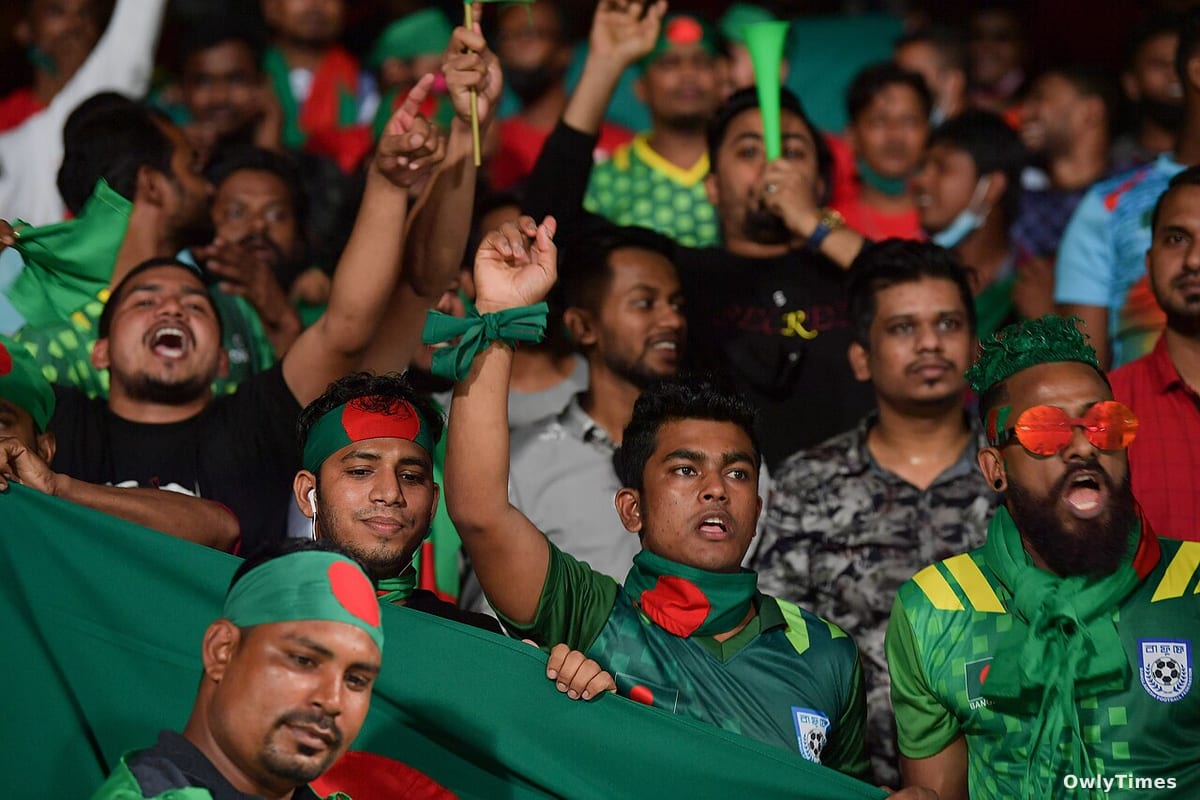
For a nation of 170 million, Bangladesh’s journey to the Women’s Asian Cup feels less like a sporting milestone and more like a cultural earthquake. Women’s football in Bangladesh is a recent phenomenon, with the first league matches only taking place in 2011. Before that, the pitch was largely a forbidden space. Khandaker recalls a time when girls were routinely forced to abandon their passion after primary school, facing complaints from neighbors about the “indecency” of playing in shorts. This wasn’t about athletic ability; it was about controlling female bodies and limiting aspirations. The team, affectionately known as the Red and Green, has persevered despite these obstacles, fueled by a quiet determination and the unwavering support of a small but growing fanbase. But qualifying for the Asian Cup isn’t just a win for the players; it’s a testament to the organizers and families who fought for this moment, often at personal cost.
Original reporting: Yahoo Sports.
The Price of a Dream: Marriage, Poverty, and Political Turmoil
The obstacles facing these athletes extend far beyond the pitch. Ennima Khanom Richi, a local league player, starkly illustrates the brutal reality for many young women: forced marriage. She recounts how teammates were pulled from the game, their futures dictated by arranged marriages and familial pressure. “Families often cannot bear the social pressure, so they stop their girls from playing,” she says, a chilling echo of countless silenced dreams. This isn’t simply a matter of individual choice; it’s a systemic issue rooted in poverty and societal expectations. Khandaker Arif Hossain Prince, a women’s football organizer and father to two players, notes that aspiring footballers often come from marginalized families who struggle to provide financial support. The choice between a football career and contributing to the family income is a heartbreaking one many are forced to make. Adding to this already complex landscape is the recent political turmoil. The 2024 uprising and the subsequent rise of Islamist activists have emboldened those seeking to restrict women’s freedoms, leading to threats of violence and even cancelled matches.
A Shifting Tide? Navigating a New Political Landscape
The recent general elections, won by the Bangladesh Nationalist Party (BNP) with a vow to support women’s rights, offer a glimmer of hope. However, the unprecedented success of an Islamist coalition in the same election has sparked fears of regressive gender policies. Khandaker, hailing from a southern constituency where Islamist lawmakers gained power, understands this precariousness intimately. Her own family faced criticism for supporting her and her sister’s football ambitions. This isn’t abstract political debate; it’s a lived reality for these players, a constant awareness that their very existence as athletes is a challenge to the status quo. The Bangladesh Football Federation (BFF) is beginning to see the fruits of its labor, with over 40 clubs now training girls from the age of nine, a significant increase from the pre-2008 era when a national women’s team didn’t even exist. While salaries remain low, the income provides stability for families, and the growing visibility is slowly shifting public perception.
Beyond the Scoreboard: What This Moment Means
The Bangladesh national team’s debut against nine-time Asian champions China on Tuesday is, realistically, a David-versus-Goliath matchup. Khandaker acknowledges the disparity in rankings, but insists her team will give their best. But the scoreline isn’t the point. This moment transcends the sport itself. It’s a powerful statement about the evolving role of women in Bangladeshi society, a challenge to traditional norms, and a beacon of hope for future generations. The increasing sponsor interest and shifting public attitudes suggest a turning tide, but the gains remain fragile. The question now isn’t just whether Bangladesh can compete on the international stage, but whether the political will to protect and promote women’s rights will endure, and whether the Red and Green can continue to inspire a nation to redefine what’s possible for its daughters. Will the momentum built by this team translate into lasting systemic change, or will it be stifled by the forces of conservatism? That’s the game everyone in Bangladesh is watching now.

