
The air at Augusta National is thick with expectation, but this year, it feels…different. Not just because the azaleas are particularly vibrant, or because the pimento cheese sandwiches are as reliably comforting as ever. It’s the absence. For the first time since 1994, the 2026 Masters will tee off without Tiger Woods and Phil Mickelson in the field. It’s a seismic shift, a passing of the torch so definitive it feels less like a handover and more like a closing of an era. The ghosts of past Masters victories will linger, but the focus, undeniably, is on who will define the next chapter.
The narrative, naturally, centers on Rory McIlroy. It wasn’t so long ago he finally slipped on the green jacket, completing a career Grand Slam with a dramatic playoff victory over Justin Rose in 2025. At +1200 to repeat, he’s a strong contender, but the odds reflect a subtle shift in power. Scottie Scheffler, the undisputed No. 1, is the clear favorite at +500, a testament to his consistent dominance. This isn’t about dismissing McIlroy; it’s about acknowledging the relentless pressure of maintaining peak performance in a sport increasingly defined by its depth. The question isn’t can McIlroy win, but will he be able to replicate the emotional and physical peak he reached last year, knowing the entire golf world is watching for a dynasty or a stumble?
This article draws on reporting from CBS Sports.
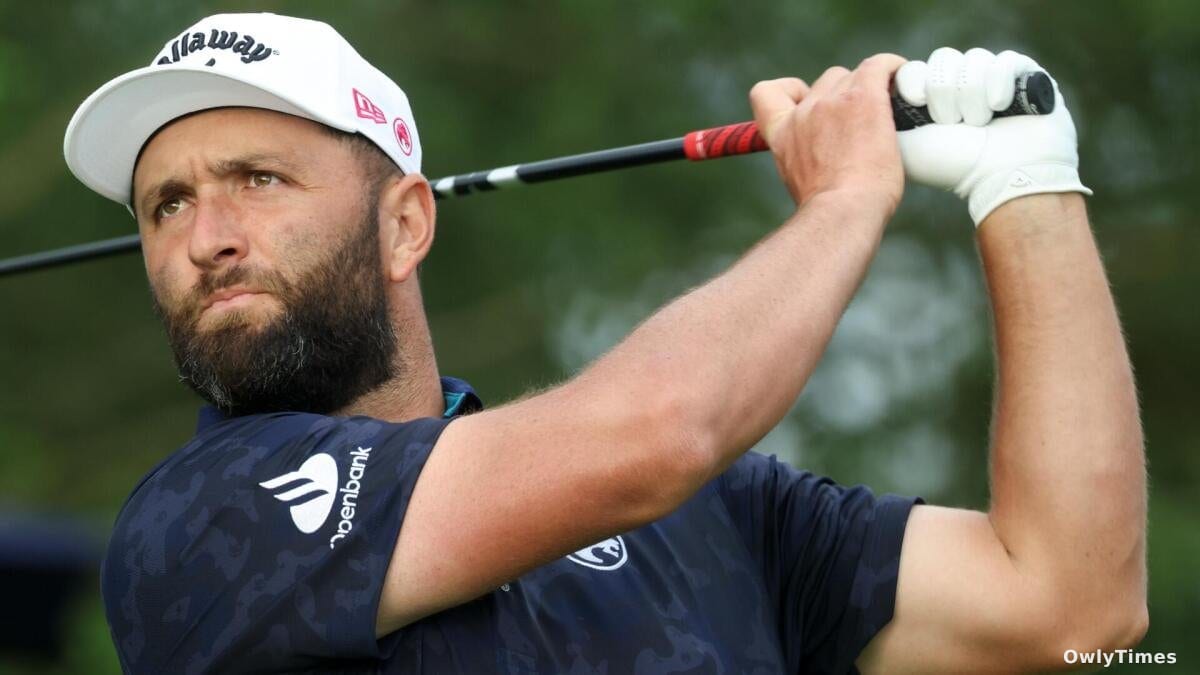
Beyond the headlines of Scheffler’s dominance and McIlroy’s quest for back-to-back titles lies a more intriguing story: the rise of the data-driven prediction. SportsLine’s proprietary model, built by DFS pro Mike McClure, has correctly predicted 16 majors entering the weekend, including last year’s PGA Championship and Open Championship, and a remarkable four consecutive Masters. The model’s simulations, running 10,000 iterations of the tournament, are already generating buzz, and not for the obvious picks. The surprising prediction? Jon Rahm, the 2023 Masters champion and currently the second favorite at +950, doesn’t even crack the top 5 in McClure’s projected leaderboard. This isn’t a dismissal of Rahm’s talent, but a cold, calculated assessment of his recent form. Since his 2023 victory, he’s finished T45 and T14 at Augusta, and his overall major performance has cooled, with only one professional win since the beginning of 2025.
This reliance on algorithmic forecasting speaks to a broader trend in sports – the increasing influence of analytics. It’s a move away from gut feelings and expert opinions towards quantifiable data, a shift that’s both exciting and unsettling for traditionalists. While the human element of golf – the pressure, the artistry, the sheer unpredictability – will always be paramount, the model’s success forces us to confront the possibility that patterns and probabilities can reveal insights previously hidden. The model also identifies Tommy Fleetwood (+2200) as a strong contender, a longshot with a surprisingly high probability of success, fueled by his recent PGA Tour Championship victory and consistent performance this season. Fleetwood’s game, ranking high in driving accuracy and strokes gained, suggests he’s poised for a breakthrough at Augusta.
The absence of Woods and Mickelson isn’t just a symbolic changing of the guard; it’s a financial one. Their presence historically drove viewership, sponsorship deals, and overall revenue. While the PGA Tour is navigating a complex landscape of LIV Golf and evolving fan demographics, the challenge now is to maintain that level of engagement without its two biggest stars. The Tour is betting on the next generation – Scheffler, McIlroy, Åberg – to fill the void, but it’s a gamble. Will these players possess the same cultural magnetism? Will they be able to transcend the sport and capture the imagination of a wider audience? The model’s focus on undervalued players like Fleetwood suggests a potential path forward: highlighting compelling narratives beyond the established stars.
The 2026 Masters isn’t just a golf tournament; it’s a litmus test for the future of the sport. It’s a moment to assess whether data-driven predictions can truly rival the intuition of seasoned analysts, and whether a new generation of golfers can step up to fill the shoes of legends. As the first tee shot echoes across Augusta National on Thursday, April 9th, the question isn’t just who will win the green jacket, but what this tournament will reveal about the evolving soul of golf itself. Will we see a coronation of Scheffler, a redemption arc for McIlroy, or a stunning upset fueled by the insights of a computer model? And, crucially, will the sport be able to maintain its cultural relevance in a world increasingly captivated by new forms of entertainment?

