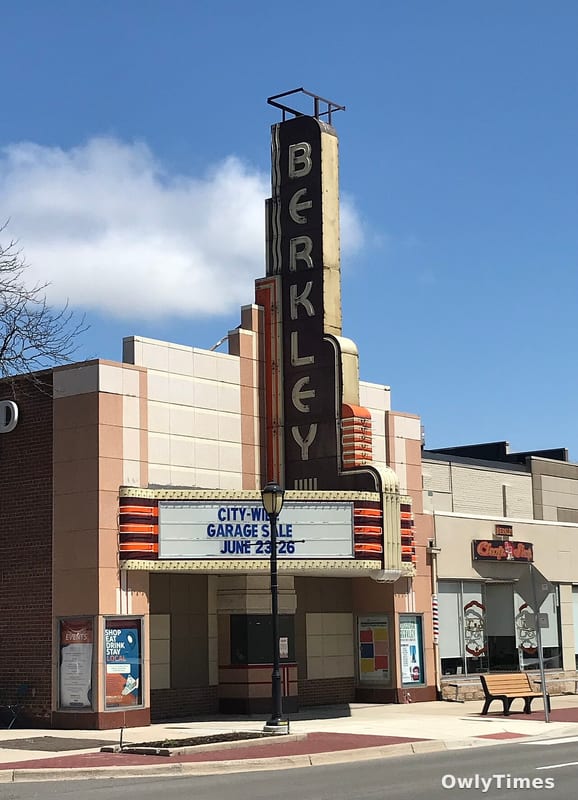

The chipped paint on the Berkley Theater marquee, stubbornly clinging to 12 Mile Road, has witnessed decades of changing tastes. From the flickering black and white of wartime newsreels in 1941 to the dinosaur-fueled spectacle of “Jurassic Park” in 1993, the building has been a communal focal point. But for the last three years, it’s been dark, a vacant Rite Aide shell in a downtown begging for a pulse. Now, Glenn Wilhelm, owner of The Roxy in Rochester, is betting $4 million that the building’s next act will be its most vibrant yet, transforming it into the BERKLEY Entertainment Complex – a move that speaks to a larger cultural craving for shared experiences in an increasingly isolated world.
Wilhelm isn’t simply building a concert venue; he’s tapping into a counter-current against the digital tide. He explicitly frames the project as a response to societal disconnection. “The more we get disconnected…we’re on our phones, we’ve got AI, and all these things—we really crave these things that we can do together, these gathering places,” he said. This isn’t just entrepreneurial optimism; it’s a shrewd observation about the current moment. While streaming services offer convenience, they lack the electric energy of a live performance, the shared breath of a crowd, the accidental brush of shoulders with a stranger. The success of venues like The Roxy – which hosts acts like Flock of Seagulls and Billy Bob Thornton for crowds of 500 – demonstrates a hunger for that intimacy, a hunger Wilhelm hopes to amplify with a capacity of nearly 900 at the BERKLEY.
Drawn from The Detroit News.
The choice of location is equally significant. Downtown Berkley, like many older suburban centers, has faced the challenge of remaining relevant in an era of big-box retail and online shopping. The Berkley Chamber of Commerce Director, Darlene Rothman, remembers the theater as a childhood haunt, a place for Saturday rituals and candy counter treats. Her nostalgia isn’t just sentimentality; it reflects a broader community desire to reclaim a sense of place. Rothman anticipates a ripple effect, predicting that the influx of concertgoers will benefit surrounding businesses, bolstered by the area’s free parking. This isn’t simply about entertainment; it’s about economic revitalization, leveraging cultural capital to breathe life back into a downtown core.
Beyond the economic impact, the BERKLEY’s design, overseen by Mark Dunneback, is a deliberate act of preservation. The iconic marquee will remain, a visual anchor to the past, and an internal display will chronicle the theater’s history. This isn’t a demolition and rebuild; it’s a respectful adaptation. This approach is increasingly common in entertainment venue development, recognizing that audiences respond to authenticity and a sense of continuity. The trend reflects a broader cultural shift away from sterile, homogenous spaces towards venues that feel rooted in their communities. Bridget Dean, Berkley’s mayor, echoes this sentiment, hoping the BERKLEY will create new memories while honoring the old.
But the success of the BERKLEY isn’t guaranteed. The live entertainment market is competitive, and attracting national acts to a venue of 880 capacity requires careful curation. Wilhelm remains tight-lipped about specific bookings, but the jump from The Roxy’s 500-person capacity suggests a deliberate ambition to attract bigger names. The question now is whether the BERKLEY can carve out a niche in the regional concert landscape, becoming a destination for both established artists and emerging talent. Will it become a vital cultural hub, or another nostalgic relic struggling to find its footing in the 21st century? The answer will reveal not just the fate of one theater, but a broader test of whether the desire for shared, live experiences can truly compete with the convenience of the digital world.