
The Weaponization of Protocol: Trump Redefines Executive-State Relations
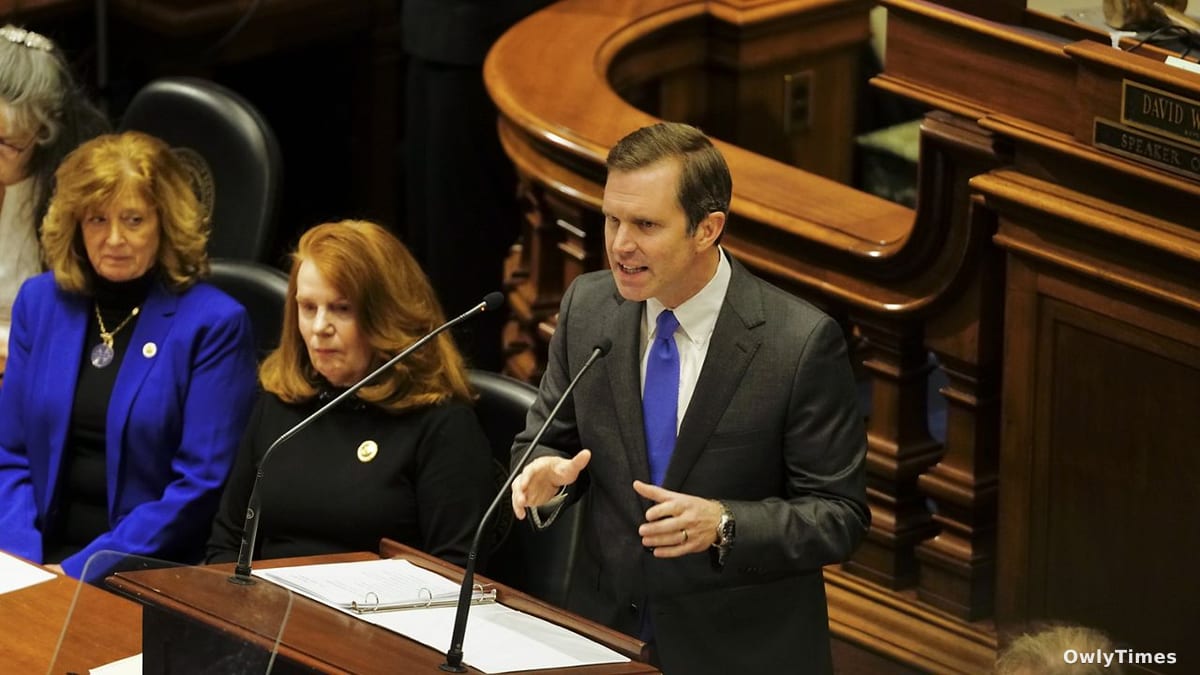
The escalating dispute over a White House meeting of governors isn’t about policy, or even about specific governors; it’s a calculated demonstration of power by Donald Trump, leveraging the symbolic space of the presidency to redefine the terms of engagement with state leaders. The initial reports – and subsequent denials – regarding a Republican-only invitation list weren’t a gaffe, but a probing action, testing the boundaries of what governors will tolerate in exchange for access. Andy Beshear’s decision to boycott the meeting isn’t a protest against exclusion, but a strategic refusal to legitimize a process deliberately designed to create division.
See the original spectrumnews1.com story for the full account.
The sequence of events reveals a clear pattern. Kevin Stitt, chair of the National Governors Association (NGA), alerted governors to the possibility of a partisan invitation list, triggering a public response. This prompted Trump to publicly denounce Stitt’s claim as “false!” – a tactic of direct personal attack now familiar from his political playbook – while simultaneously admitting he’d excluded Jared Polis of Colorado and Wes Moore of Maryland. The subsequent email from Stitt attempting to smooth things over, citing a “misunderstanding in scheduling,” underscores the pressure governors face when navigating the Trump administration’s volatile communication style. Who benefits and who loses here isn’t simply Democrats versus Republicans, but those willing to cede ground to performative displays of presidential authority versus those who choose to draw a line.
This isn’t unprecedented. The manipulation of established protocols for political gain has historical echoes in the administrations of Andrew Jackson and Richard Nixon, both of whom actively sought to bypass traditional channels of communication and build direct relationships with constituencies, often at the expense of intermediary institutions. Jackson famously battled the Second Bank of the United States, circumventing established financial structures to appeal directly to the “common man.” Nixon’s use of back channels and covert operations similarly aimed to consolidate power by operating outside the scrutiny of Congress and the press. Trump’s approach, while lacking the institutional complexity of these earlier examples, shares the same core impulse: to diminish the authority of established institutions and personalize the exercise of power. The NGA’s February 11th statement, emphasizing the “valued tradition” of bipartisan meetings, highlights precisely what’s being challenged.
The financial implications of this fractured relationship are also worth noting. Federal funding, particularly infrastructure grants and disaster relief, flows through state governments. Governors who are perceived as disloyal – or simply unwilling to play the game – risk being sidelined in the allocation of these resources. While direct evidence of such retaliation is currently lacking, the threat is implicit. The fact that this dispute is unfolding during a presidential election year amplifies the stakes, turning a routine meeting into a highly visible political test. The $78 billion in federal aid allocated to states in 2023, according to the National Association of State Budget Officers, provides a tangible measure of what’s at risk. A 5% reduction in that funding, for example, would represent a significant blow to state budgets.
The political chess move to watch next isn’t whether more governors will join Beshear in boycotting the meeting – though that remains a possibility. It’s whether Trump will escalate the conflict further, perhaps by publicly naming and shaming additional governors or by making explicit threats regarding federal funding. The question is whether he’ll attempt to force compliance through intimidation, or whether he’ll settle for a symbolic victory, demonstrating his ability to disrupt even the most established norms of executive-state relations. The answer will reveal a great deal about the future of federalism under a second Trump administration.





