
The Strategic Calculation Behind Beshear’s Ohio Broadside
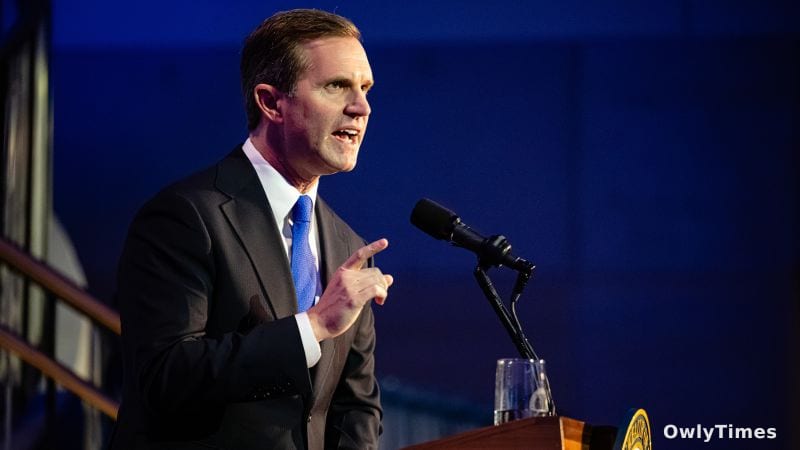
Andy Beshear’s pointed remarks against JD Vance and, by extension, Kamala Harris, delivered on Saturday in Middletown, Ohio, weren’t a spontaneous outburst. They were a calculated move in a nascent 2028 power play, leveraging the enduring anxieties surrounding economic dislocation and cultural representation in the Appalachian region. Beshear isn’t simply criticizing policy; he’s drawing a line in the sand regarding who authentically speaks for a demographic both parties desperately need to win. The timing – in Vance’s home state, and with both men considered potential presidential contenders – is critical. This isn’t about Kentucky versus Ohio; it’s about positioning for a future national stage.
This article draws on reporting from CNN.
“Hillbilly Elegy” as a Political Liability
The core of Beshear’s attack centers on JD Vance’s 2016 memoir, “Hillbilly Elegy.” Describing it as “poverty tourism” and highlighting Vance’s characterization of Appalachian communities as “lazy” isn’t a new tactic for Beshear, but the renewed emphasis is telling. The book, while a bestseller and initially seen as offering insight into the Trump voter, has become increasingly controversial. Its success coincided with, and arguably capitalized on, a national narrative that pathologized working-class white voters, framing their economic struggles as stemming from cultural deficiencies rather than systemic issues. Beshear is attempting to weaponize this narrative, suggesting Vance’s understanding of the region is fundamentally flawed and disqualifying. This resonates with a growing skepticism towards “expert” analyses that fail to grasp the lived realities of communities grappling with deindustrialization and opioid crises.
Who Benefits and Who Loses in This Exchange
The immediate loser is JD Vance. Beshear’s attack forces him to defend a book that, while launching his political career, now carries significant baggage. Vance’s attempts to portray himself as a champion of the working class are undermined by Beshear’s framing of “Hillbilly Elegy” as exploitative. Kamala Harris also takes a hit, albeit indirectly. Beshear’s questioning of Harris’s “Appalachian roots” – a subtle but pointed jab – reinforces a broader narrative of the Democratic Party being out of touch with rural America. Who benefits? Primarily, Andy Beshear. He’s establishing himself as a defender of Appalachian values and a credible voice for a demographic often overlooked by both parties. The Democratic Party, as a whole, could benefit if Beshear successfully redefines the conversation around economic hardship and cultural identity, but that depends on whether they embrace his framing or dismiss it as regional politicking. Taylor Van Kirk’s dismissive response – accusing Beshear of seeking publicity – is a predictable tactic, but it risks amplifying Beshear’s message rather than deflecting it.
Echoes of Populist Rhetoric and Regional Identity
This dynamic isn’t new. Throughout American history, politicians have leveraged regional identity and resentment towards perceived elites. Think of William Jennings Bryan’s “Cross of Gold” speech in 1896, which tapped into the anxieties of farmers and rural communities against the perceived power of Eastern financial interests. Or George Wallace’s appeal to white working-class voters in the South during the 1960s and 70s. Beshear is employing a similar strategy, albeit with a different demographic focus. He’s positioning himself as an outsider challenging the establishment, appealing to a sense of cultural pride and economic grievance. The success of this strategy hinges on whether he can convincingly portray Vance and Harris as representatives of a detached, condescending elite. The fact that Beshear was considered for the vice-presidential slot in 2024 adds another layer of complexity; this attack could be interpreted as a subtle audition for a future leadership role, demonstrating his willingness to challenge the status quo.
The Next Chess Move: Beshear’s Media Strategy
The immediate fallout from Beshear’s comments will likely be a flurry of cable news appearances and social media debates. However, the crucial political chess move to watch isn’t a reactive response, but a proactive strategy. Will Beshear double down on this line of attack, actively courting Appalachian voters in key swing states like Pennsylvania and Wisconsin? Or will he attempt to broaden his appeal, framing his criticisms of Vance and Harris as part of a larger critique of economic inequality and political polarization? The answer will reveal whether this Ohio broadside was a calculated gambit for national prominence, or simply a localized skirmish in a regional rivalry. Specifically, look for Beshear to announce a series of town hall meetings in economically distressed communities across the Rust Belt within the next six weeks. That would signal a clear intention to build on this momentum and position himself as a national voice for forgotten America.