
The Calculated Appeal to the Center: Beshear’s 2028 Positioning
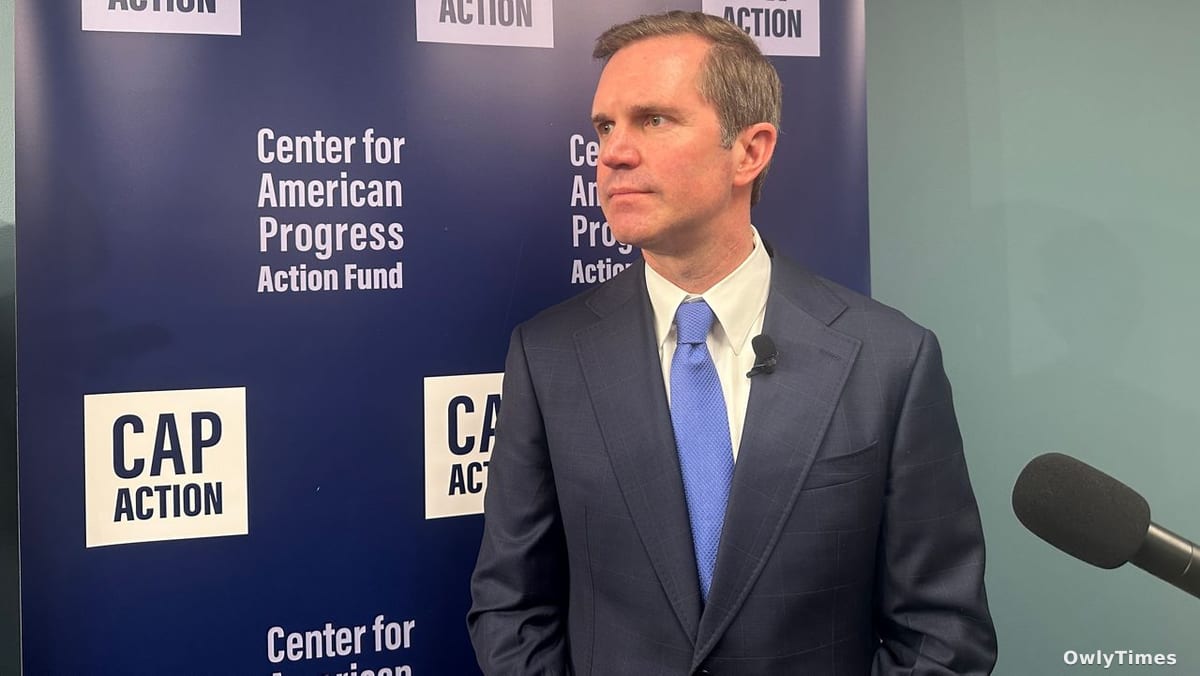
Andy Beshear’s recent trip to Washington D.C. and the coinciding announcement of his book, “Go and Do Likewise,” aren’t simply about policy or personal reflection – they represent a deliberate strategic maneuver to position himself as a moderate counterweight within a Democratic Party increasingly perceived as out of touch with core American values. The core calculus is simple: in a political landscape defined by polarization, the path to national office often lies in reclaiming the center, and Beshear is attempting to brand himself as the candidate who can speak to, and for, the “normal human beings” he repeatedly references. This isn’t a spontaneous shift in ideology, but a calculated response to the consistent underperformance of Democrats in rural and working-class areas – a demographic Beshear demonstrably connects with in Kentucky.
Source material: spectrumnews1.com.
Beshear’s critique of Democratic rhetoric – specifically, dismissing voters as acting against their own interests as “dumb” – is a pointed jab at a prevalent, if often unspoken, condescension within the party. This framing isn’t new; Bill Clinton’s “feeling your pain” strategy in the 1990s operated on a similar principle of empathetic connection. However, the current context is markedly different. The Democratic base is more progressive and less tolerant of perceived compromises, creating a tension between appealing to swing voters and maintaining the enthusiasm of the party’s core supporters. Who benefits from this strategy? Primarily, Beshear himself, by carving out a unique lane within the potential 2028 field. Who loses? Potentially, more progressive candidates who may find their message diluted by Beshear’s emphasis on common ground.
The Book as Platform: Faith, Values, and National Visibility
The timing of “Go and Do Likewise,” named after the Parable of the Good Samaritan, is no accident. The book serves as a vehicle to showcase a personal narrative rooted in faith and community – themes often absent from contemporary Democratic discourse. Beshear’s framing of the book as a reflection on navigating tragedy – tornadoes, mass shootings, personal loss – is designed to project an image of resilience and empathy. This echoes a historical pattern of politicians leveraging personal narratives to build trust and relatability, most notably Ronald Reagan’s skillful use of anecdotes to connect with voters. The Republican Party of Kentucky’s swift criticism of Beshear’s travel and the book as a “vanity project” underscores the threat he poses. They recognize that national exposure, even if framed as a book tour, elevates his profile and expands his potential donor base.
The financial aspect is crucial. Beshear’s insistence that the book was written and will be promoted without taxpayer funds is a preemptive strike against a common Republican attack line. He’s attempting to neutralize a potential vulnerability by demonstrating fiscal responsibility and self-reliance. This is a subtle but important detail, signaling a campaign strategy focused on minimizing opportunities for opposition attacks. The fact that he is personally covering expenses for political travel further reinforces this image. However, the reliance on personal funds also introduces a potential limitation – a ceiling on campaign spending compared to candidates with access to larger donor networks.
The White House Snub: A Test of Party Loyalty and Strategic Independence
Beshear’s decision to boycott the White House events due to the exclusion of Wes Moore and Jared Polis is a calculated risk. It’s a public demonstration of solidarity with fellow Democratic governors, but more importantly, it’s a signal of his willingness to challenge the established order, even within his own party. This move isn’t about Moore or Polis specifically; it’s about establishing Beshear as an independent actor who prioritizes principle over political expediency. The historical parallel here is John F. Kennedy’s occasional willingness to distance himself from the Democratic establishment during the 1960 presidential campaign, projecting an image of fresh leadership.
The move also subtly critiques President Joe Biden’s strategy, suggesting a lack of inclusivity and a potential disconnect from the broader Democratic coalition. While Beshear avoids direct criticism, the implication is clear: a successful Democratic future requires a broader tent and a more inclusive approach. This is a delicate balancing act, as alienating the White House could jeopardize future support. However, Beshear appears willing to accept that risk in pursuit of his long-term strategic goals.
The political chess move to watch next is Beshear’s response to the inevitable pressure to formally announce his presidential intentions. Will he continue to operate as a shadow candidate, building his profile through book events and strategic appearances? Or will he make a decisive move, launching a full-fledged campaign and directly challenging the existing Democratic hierarchy? The answer will reveal the true extent of his ambition and the depth of his commitment to reshaping the party’s future.