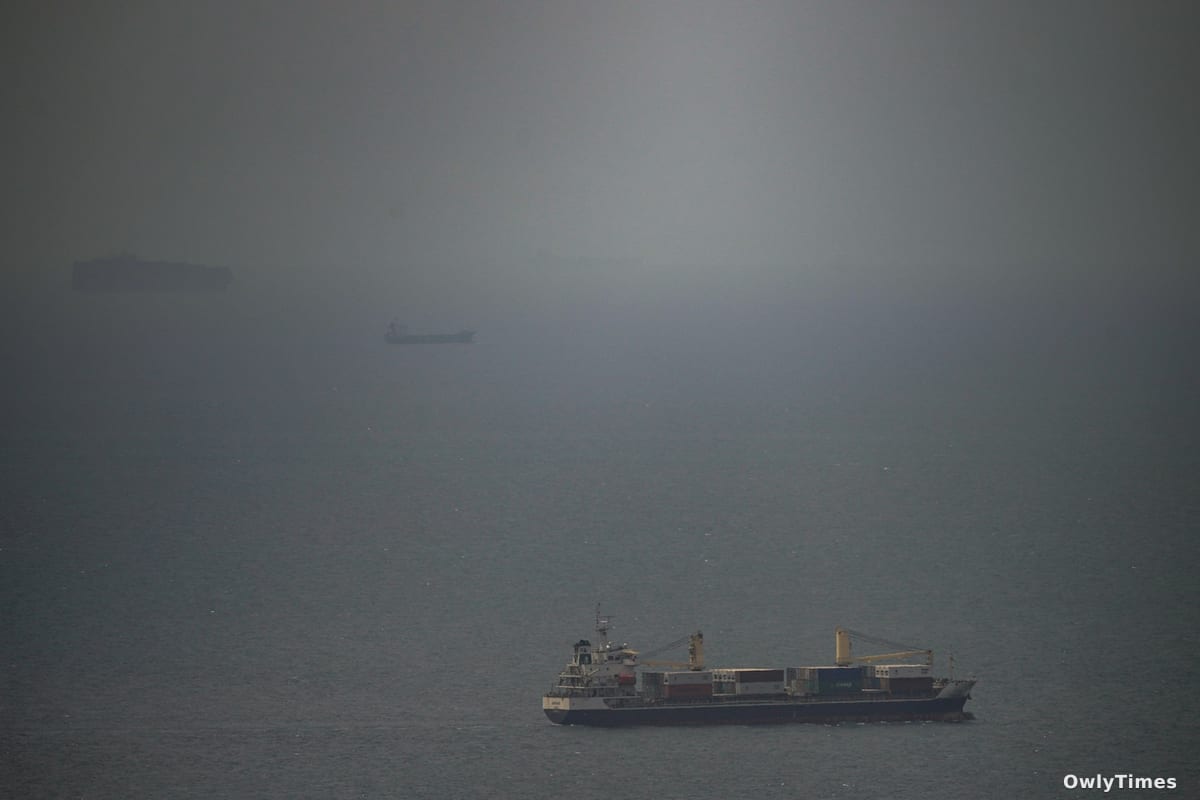

Six months is the current internal estimate from the Pentagon for the time required to clear the Strait of Hormuz of mines deployed by the Iranian military. For global energy markets, this timeframe—shared in a classified briefing for lawmakers and disclosed on April 22, 2026—is the primary variable dictating the duration of the current energy price surge. Follow the money, and the path leads directly to the chokepoint currently being navigated by cargo vessels, such as the one observed in the Persian Gulf on Wednesday.
The Geography of Supply Chain Stagnation
The strategic reality is that the economic fallout of the conflict is tethered to the physical state of the strait. Because the Pentagon has indicated that mine-clearing operations are unlikely to commence until the broader war with Iran concludes, the shipping lanes remain effectively shuttered to standard commercial traffic. This creates a supply bottleneck that does not merely disrupt regional trade; it restricts the flow of crude oil that dictates benchmark pricing globally.
When infrastructure remains compromised by military action, the immediate cost is paid in the form of elevated gasoline and oil prices. By tying the remediation timeline to the end of hostilities, the Pentagon has essentially provided a floor for energy prices that could extend well through the upcoming midterm elections. Market participants must now account for a period of supply scarcity that is measured in months, not weeks.
Strategic Constraints and Market Volatility
The presence of the AP-reported cargo vessel moving toward the Strait of Hormuz illustrates the high-stakes navigation currently occurring in the region. Each day that passes without a clear path for transit, the risk premium on every barrel of oil transported through the area increases. The Pentagon’s assessment suggests that the logistical challenge of de-mining is not just a tactical hurdle, but a macroeconomic one that prevents a return to pre-conflict price levels.
This is not a temporary disruption that can be mitigated by rerouting logistics alone. The sheer volume of oil that typically transits the Strait of Hormuz makes it an irreplaceable artery for the global economy. As long as the Iranian military’s assets remain in place, the uncertainty surrounding the passage will continue to exert upward pressure on commodity futures, regardless of consumer demand shifts elsewhere.
The Midterm Economic Outlook
Investors and consumers should prepare for a sustained period of high energy costs that aligns with the current political calendar. The Pentagon’s briefing to Congress serves as a signal that the economic tailwinds of the war are locked in for the remainder of the year. While volatility is the hallmark of conflict, the specific constraint here is the time-intensive process of clearing underwater hazards, which serves as a hard limit on how quickly oil supply chains can normalize.
What this means for your wallet is that the current price at the pump is unlikely to see significant relief in the near term. The next reading of global oil benchmarks will show whether the market has fully priced in the six-month timeline for the Strait of Hormuz to be cleared. Until the mine-clearing operation begins, the cost of energy will remain a function of the security situation in the Persian Gulf.