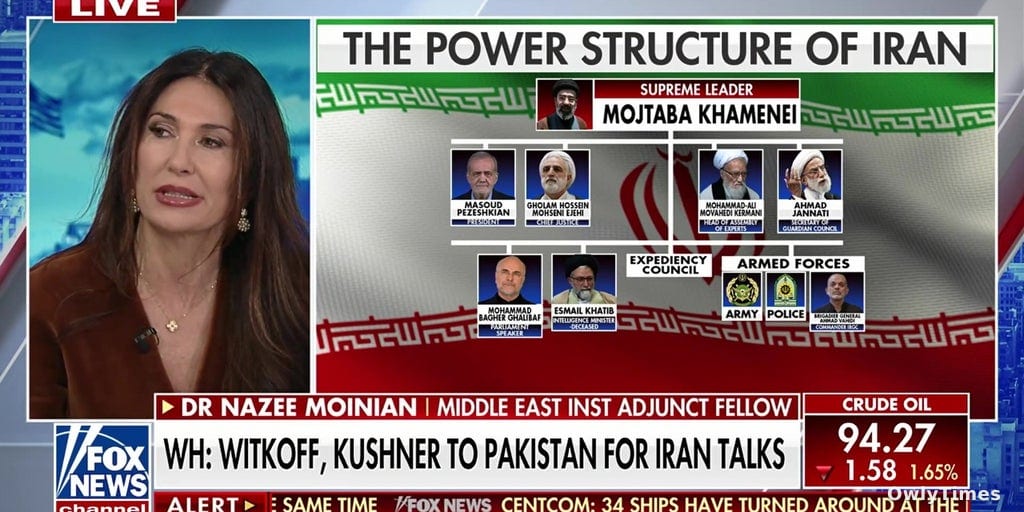

The current administration’s aggressive posture in the Strait of Hormuz is less a spontaneous escalation and more a calculated exercise in asymmetric attrition. By ordering the United States Navy to "shoot and kill" any vessel attempting to place mines in the waterway, President Trump has shifted the burden of risk directly onto the Iranian regime. This maneuver seeks to leverage the economic strangulation of Iran to force a favorable diplomatic outcome, predicated on the belief that time is firmly on the side of the White House.
The Calculus of Maritime Blockade
The strategic intent here is to turn the Strait of Hormuz from an Iranian pressure point into a liability. Former State Department officials have noted that the ongoing blockade has successfully tightened the economic noose around Tehran, creating a level of leverage that has not been seen since 1979. While critics may point to the dangers of accidental kinetic engagement, the administration’s calculus is that Iran’s internal stability—already strained by reports of domestic unrest, including the regime's recent promises regarding the status of eight women—is too fragile to sustain a full-scale confrontation.
Who benefits from this heightened tension? The administration gains a narrative of decisive action on the international stage, while regional allies in the Middle East see a more assertive American presence acting as a deterrent against Iranian influence. The losers, conversely, are the global energy markets currently pricing in the risk of supply disruptions and the Iranian leadership, which now faces the binary choice of total economic isolation or strategic retreat. History offers few clean parallels for this specific naval posturing, though it mirrors the high-stakes brinkmanship characteristic of previous mid-century geopolitical crises where the threat of force was used to manage the behavior of a regional hegemon.
Domestic Friction and Legislative Hurdles
While the administration focuses on the Strait of Hormuz, the domestic front remains tethered to the complexities of funding the Department of Homeland Security. The Senate’s recent advancement of a budget resolution for ICE and Border Patrol highlights the deep-seated divisions within the Republican caucus, even as House Speaker Mike Johnson insists on immediate action to secure border operations. This legislative tug-of-war is complicated by broader allegations of financial impropriety elsewhere, including the scrutiny surrounding Rep. Ilhan Omar regarding Minnesota fraud allegations—which she has dismissed as an "accounting error"—and the accusations of "corporate-scale fraud" leveled against the Southern Poverty Law Center.
These domestic scandals serve as significant distractions for the party leadership. When lawmakers like Rep. Pat Fallon announce bids for key committee chairmanships, such as the House Oversight Committee, they are signaling a desire to turn the investigative spotlight toward these very issues of institutional transparency. The contradiction here is clear: while the executive branch projects strength abroad, the legislative branch remains bogged down in a series of domestic controversies that threaten to fracture its internal unity.
Indicators of Future Escalation
The political chess move to watch next will be the progression of the DHS and ICE funding plan following the Senate's recent procedural wins. The final passage of this resolution will serve as a measurable signal of the Republican Party’s capacity to reconcile its internal divisions before the threat of a government shutdown becomes an immediate reality. Furthermore, observers should monitor the status of the rumored ceasefire talks involving Israel and Lebanon; the outcome of those discussions will determine whether the administration’s "no time frame" approach to Iran remains a viable long-term strategy or if the pressure in the region necessitates a pivot toward a more rapid resolution.