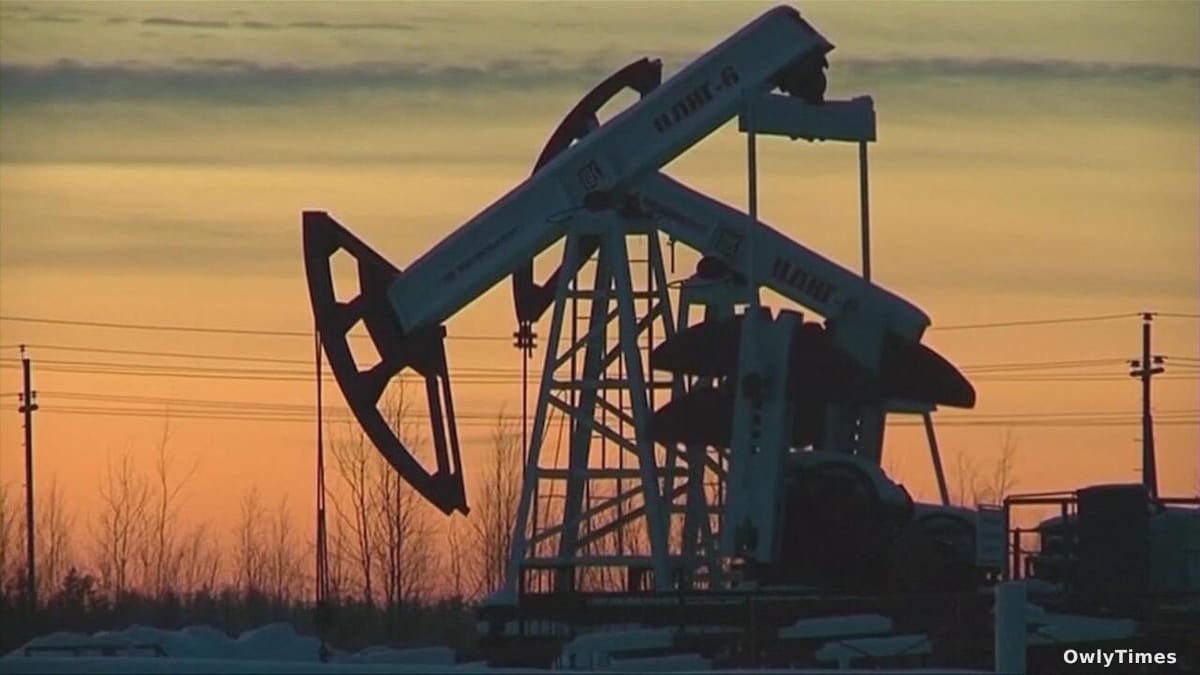

Brent crude has surged to its highest valuation since the onset of the Ukraine war, a move triggered directly by US President Donald Trump confirming that the American blockade of the Strait of Hormuz is slated to endure for months. By extending this geopolitical chokehold, the administration has effectively removed a vital artery of global energy supply, forcing markets to reprice the cost of oil based on sustained scarcity rather than temporary disruption. When a strategic maritime passage remains locked, the immediate impact on futures markets is predictable: volatility spikes as traders factor in the extended duration of restricted tanker traffic.
The Financial Mechanics of a Blockaded Strait
Follow the money through the global energy complex and you find that this price jump is not merely a reaction to current supply levels, but a reflection of future risk premiums. Because the Strait of Hormuz acts as a critical transit point for a significant portion of the world's daily oil output, the decision to keep it under blockade acts as a direct tax on global consumption. Unlike standard market fluctuations driven by demand cycles, this price escalation is purely political, transforming energy policy into a primary driver of inflationary pressure. Investors who have long relied on the assumption of open maritime corridors are now recalibrating their portfolios to account for a prolonged era of restricted logistics.
TotalEnergies Under Pressure Amid Profit Surges
While the broader market grapples with the fallout of the blockade, the focus on corporate profitability has intensified, particularly concerning the French energy titan TotalEnergies. Amidst the backdrop of soaring profits derived from these elevated price levels, the firm is currently facing mounting calls for the implementation of a windfall tax. This tension highlights the growing divide between corporate gains and the public economic burden caused by energy inflation. The argument for such a levy rests on the premise that these outsized earnings are a direct byproduct of a geopolitical crisis rather than operational innovation or market efficiency.
Central Bank Independence in a Transition Era
Beyond the energy markets, the US Federal Reserve is navigating a delicate period as it prepares for the appointment of a new chief. The institutional challenge here is maintaining the appearance and reality of political independence during a time when fiscal and monetary policies are being buffeted by the administration's aggressive stance on trade and security. As the Fed board attempts to balance its mandate against the backdrop of the current executive agenda, the stability of the central bank's leadership becomes a critical barometer for market confidence. Any perception that the Fed is ceding its autonomy to the executive branch during this leadership transition could lead to increased volatility in interest rate expectations and currency markets.
Navigating the Energy Price Outlook
For the average consumer and investor, the immediate reality is that energy prices are being decoupled from traditional supply-demand fundamentals and re-tethered to executive-level foreign policy. The sustained nature of the blockade suggests that the current high-price environment is unlikely to experience a swift correction. Your wallet will feel the secondary effects of this as fuel costs translate into higher logistics expenses for consumer goods, essentially baking a higher cost of living into the economy. The next reading of Brent crude futures will show whether the market accepts the prospect of a months-long blockade as the new baseline or if it will begin to price in the systemic risks of a prolonged global energy squeeze.





