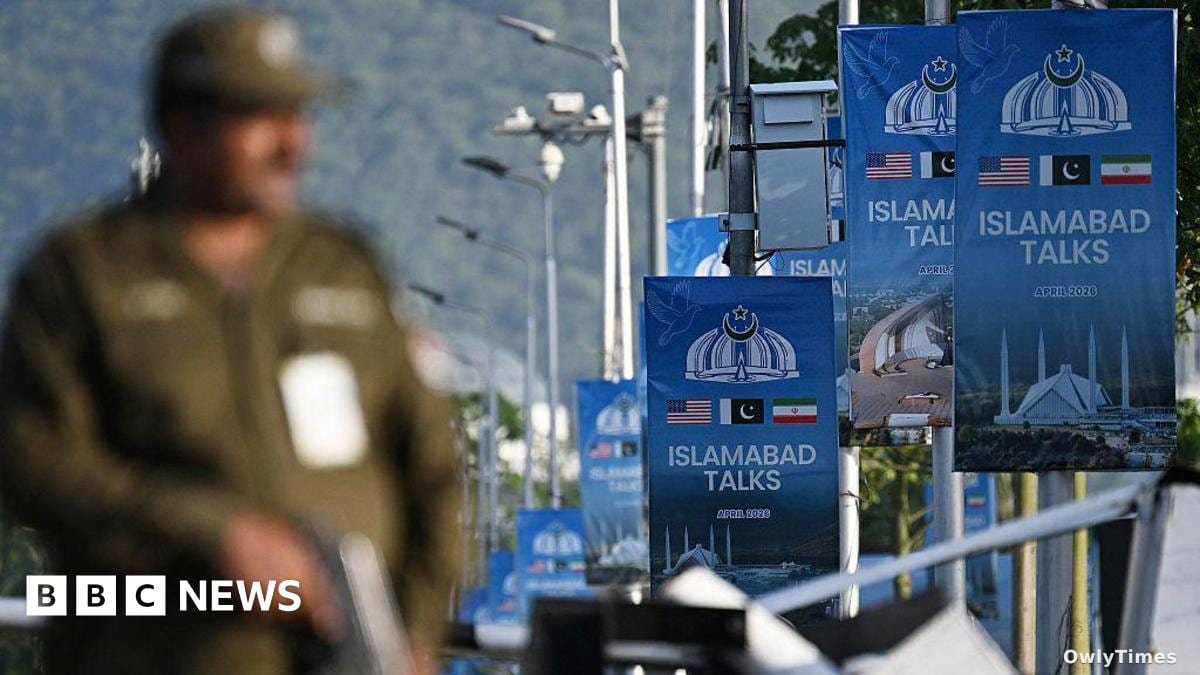

The cancellation of the proposed United States diplomatic mission to Pakistan is less a failure of logistics and more a blunt admission that the current strategic gap between Washington and Tehran is unbridgeable. By pulling the delegation led by Jared Kushner and Steve Witkoff, the White House has effectively conceded that the incentives for compromise have evaporated, leaving both sides trapped in a cycle of posturing rather than genuine negotiation. The initial decision to send a team that already lacked the political weight of the vice-president—even with JD Vance on standby—suggests that the administration was attempting to manage expectations before the trip even materialized.
The Mirage of Diplomatic Momentum
The dissonance between the White House and the realities on the ground has become a defining feature of this standoff. When White House Press Secretary Karoline Leavitt stated yesterday that “we hope that positive developments will come from this meeting,” she was operating in a diplomatic vacuum. Her optimism ignored the reality that Tehran had flatly denied any meeting was even planned, suggesting that the administration was either misreading its own leverage or attempting to manufacture the appearance of progress for domestic optics.
In this framework, the primary beneficiaries are the hardline factions within both governments who gain domestic credibility by appearing unyielding. Conversely, the losers are the regional stakeholders relying on the stability of the Strait of Hormuz. This crucial waterway, once a peripheral concern, has now become the epicenter of the conflict as both sides engage in partial blockades. That this issue has moved from a non-factor to a central point of contention demonstrates that the conflict is widening, not contracting.
Iran’s Strategic Positioning in Islamabad
The recent movements of Iranian Foreign Minister Abbas Araghchi highlight the limitations of third-party mediation. While Araghchi did travel to Pakistan to meet with his hosts, the scope of his visit was strictly confined to bilateral talks. His subsequent public statements offered no concessions, reinforcing the impression that Iran has not shifted its core positions.
By expressing a “readiness to continue Pakistan's mediation efforts until a result is achieved,” Araghchi is essentially playing a long game of diplomatic endurance. He is signaling that while Tehran remains open to dialogue, it is not moving toward capitulation. Historically, this mirrors the stalemates often seen in high-stakes international crises where parties use mediation as a forum to signal resolve to allies rather than to seek an exit ramp from the conflict.
The Costs of the Current Impasse
The failure to convene this delegation is a tactical retreat that leaves the administration with few immediate options. With the Strait of Hormuz effectively partially blockaded by both sides, the economic and security risks are compounding daily. The administration’s attempt to project a sense of control through press briefings has been undermined by the stark reality of the cancelled travel plans.
The next reading of the situation will be determined by whether the current, albeit limited, mediation efforts by Pakistan continue to hold any credibility. As both sides harden their stances on the Strait of Hormuz, the metric to watch will be any shift in the frequency or intensity of the partial blockades in that waterway, which will indicate whether the diplomatic silence is a temporary pause or a permanent shift toward escalation.





