
United States President Donald Trump’s sudden decision to cancel his envoys’ planned trip to Pakistan is a calculated exercise in leverage-maximizing diplomacy. By publicly ordering Steve Witkoff and Jared Kushner to abandon their journey to Islamabad, Trump is signaling that Washington will not engage in face-to-face negotiations without prior, concrete concessions from Tehran. This move shifts the diplomatic burden entirely onto Iran, transforming what was framed as an imminent breakthrough into a test of endurance.
Trump told Fox News that he refused to let his representatives make the "18-hour flight" to sit around "talking about nothing," despite his own previous assertions that Iran was actively making an offer to resolve the two-month-old conflict. The strategic calculus here is clear: by withdrawing from the table before talks even begin, the U.S. administration seeks to establish a position of absolute dominance. This public refusal to meet serves as an assertion that the U.S. holds all the leverage and will only negotiate on its own terms.
The Leverage of Blockades and Troop Deployments
The assertion that the United States holds "all the cards" is not merely rhetorical; it is backed by significant military posturing in the region. As Al Jazeera’s Rosiland Jordan reported from Washington, Trump's claim likely refers to the active U.S. naval blockade and the presence of more than 50,000 American troops stationed in the region, ready to resume combat operations at a moment's notice. This heavy military footprint is designed to constrain Iran's strategic options while diplomatic channels remain frozen.
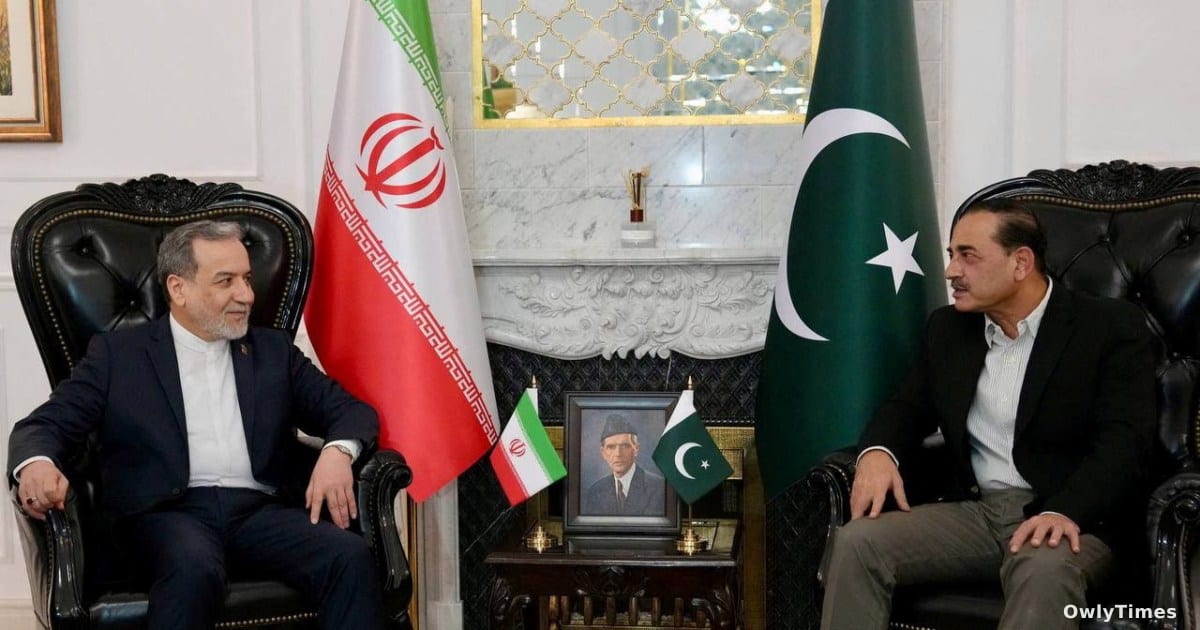
However, the Iranian leadership is attempting to project its own form of counter-leverage. While Trump pointed to "tremendous infighting and confusion" within Iran's leadership, Foreign Minister Abbas Araghchi has been executing a highly visible diplomatic tour. Before leaving Pakistan on Saturday, Araghchi met with Prime Minister Shehbaz Sharif, Army chief Field Marshal Asim Munir, and Foreign Minister Ishaq Dar to present what he described on X as a "workable framework to permanently end the war." By engaging regional powers, Iran is attempting to build a diplomatic coalition that bypasses direct U.S. pressure.
Who Benefits and Who Loses from the Diplomatic Freeze
Analyzing this diplomatic stalemate through the framework of who benefits and who loses reveals the deep structural divisions preventing a swift resolution. Trump benefits domestically by projecting an image of uncompromising strength, reassuring his political base that the U.S. will not be dragged into unproductive negotiations. Similarly, hardline factions within Iran, particularly the powerful Islamic Revolutionary Guard Corps (IRGC), benefit from the breakdown of talks. The IRGC can use the U.S. refusal to meet to justify their continued military posture, having declared on Saturday that they have no intention of ending their effective blocking of the Strait of Hormuz.
Conversely, the primary losers are global energy markets and regional intermediaries. The ongoing standoff in the Strait of Hormuz—a vital choke point through which approximately one-fifth of global oil and liquefied natural gas shipments transit—has thrown energy markets into severe turmoil. Regional mediators like Pakistan and Oman also lose diplomatic capital, as their efforts to facilitate a peaceful resolution are sidelined by the unilateral decisions of the primary combatants.
Echoes of the Maximum Pressure Playbook
This tactical retreat from the negotiating table mirrors Trump’s previous diplomatic maneuvers, most notably during his first term during the 2019 Hanoi Summit with North Korean leader Kim Jong Un. In that instance, Trump walked away from a highly anticipated summit to signal that the U.S. would not accept a partial deal, choosing instead to maintain maximum economic and military pressure.
By telling Iran "all they have to do is call," Trump is applying the same playbook to Tehran. The strategy relies on the assumption that economic and military pressure will eventually force the adversary to initiate contact from a position of weakness. However, this approach carries the inherent risk of miscalculation, particularly when the conflict—which began on February 28 when the United States and Israel launched operations against Iran—remains highly volatile.
The Next Moves on the Diplomatic Chessboard
The immediate signal to watch is whether Iran’s diplomatic delegation can successfully reconstitute its negotiating framework under pressure. According to Iran’s state-run IRNA news agency, part of Araghchi’s delegation has returned to Tehran to obtain necessary instructions regarding the termination of the war. This internal consultation suggests that despite Trump's claims of total disarray, Tehran is attempting to coordinate a unified response to the sudden U.S. diplomatic withdrawal.
The key indicator of whether this diplomatic standoff will yield or escalate further will be the scheduled return of the Iranian delegation to Islamabad on Sunday night. If Araghchi returns from his consultations in Oman and Russia with a modified proposal, it will demonstrate whether Tehran is willing to blink first under the weight of the U.S. naval blockade. Otherwise, the conflict is highly likely to slide back into active combat.





