
The strategic calculus governing the White House’s current approach to Tehran hinges on a precarious balancing act: President Donald Trump is attempting to leverage the threat of kinetic military action to extract concessions while simultaneously signaling to the electorate that he remains a reluctant warrior. By keeping the window for diplomacy open, the administration seeks to avoid a broad regional conflict that could alienate voters, even as it maintains its posture of "maximum pressure." However, this calculated ambiguity has created a public fracture within the Republican party, pitting the executive branch’s preference for a negotiated outcome against the hardline legislative demand for total strategic dominance.
Legislative Pressure Challenges Executive Strategy
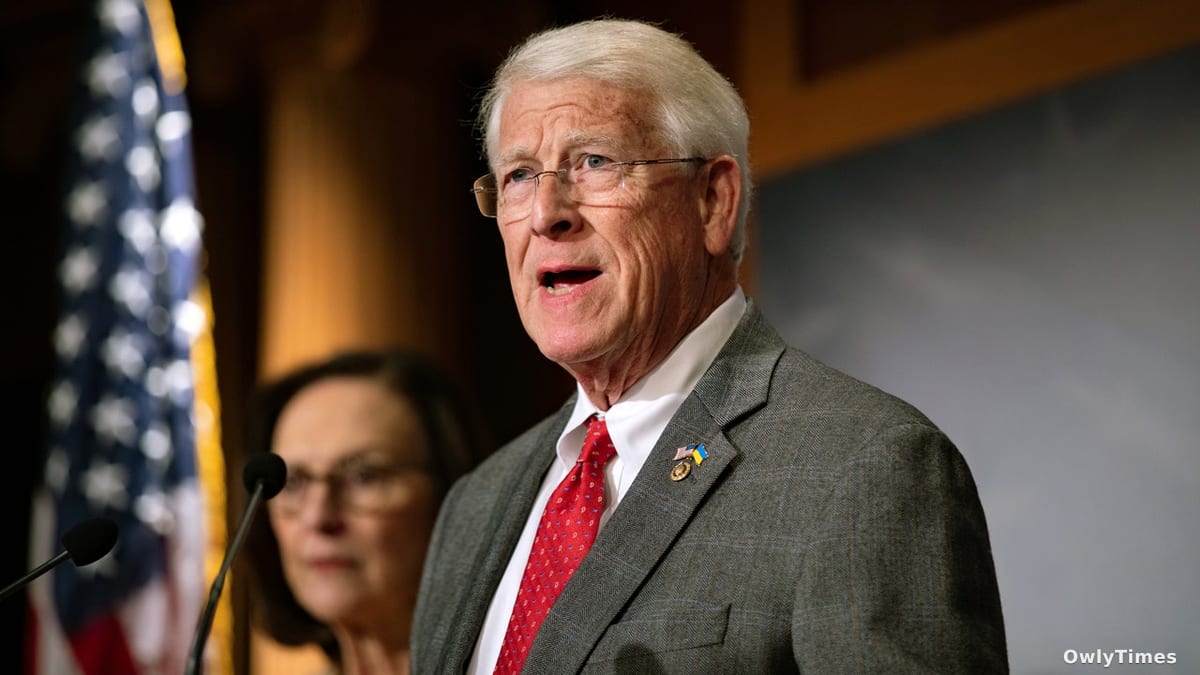
The internal tension within the GOP surfaced publicly on Thursday when Sen. Roger Wicker, R-Miss., chairman of the Senate Armed Services Committee, issued a pointed rebuke of the administration’s diplomatic trajectory. Wicker argued that the pursuit of an agreement is a strategic error, framing the potential for a deal as an admission of weakness that undermines the administration's stated goals. For Wicker, the objective is not a settlement, but the definitive dismantling of Iran's nuclear infrastructure and the securing of the Strait of Hormuz through military force.
In this power dynamic, the beneficiaries of Wicker’s hardline stance are the conservative factions who view any compromise with Tehran as a betrayal of campaign promises. Conversely, the administration and the State Department, led by Secretary of State Marco Rubio, stand to lose political capital if the diplomatic path results in a deal perceived as insufficient by the party’s base. Wicker’s framing of the situation as a defining moment for Trump’s legacy places the President in a defensive position, forcing him to justify why diplomacy is superior to the "finish the job" approach advocated by his own party’s senior defense officials.
The Diplomatic Tightrope
Secretary of State Rubio’s admission that there has been "some progress" in negotiations, while explicitly noting that "we're not there yet," reveals the fragility of these backchannel efforts. Rubio identified the core stumbling blocks as Iran’s stockpile of highly enriched uranium and the future of Tehran’s enrichment capabilities—issues that have historically served as the primary barriers to any long-term agreement. The administration is attempting to manage these complexities while regional actors, such as Pakistan’s army chief, Field Marshal Asim Munir, engage in mediation efforts to de-escalate tensions.
The irony of the current situation lies in the contradiction between the administration's rhetoric and its actions. While Trump has publicly suggested that waiting to see if diplomacy yields results is a way to "save people being killed," Wicker and other skeptics view this delay as an abandonment of military momentum. This mirrors the historical challenge of negotiating with states that utilize regional proxies and asymmetric warfare; in such scenarios, military pressure is often viewed as the only credible currency, and any shift toward diplomacy can be misinterpreted by adversaries as a lack of resolve.
Metrics of Success and Failure
The next signal regarding the trajectory of this standoff will be the status of the unresolved uranium enrichment discussions. As Rubio indicated, the disposition of Iran's existing stockpile and the limitations on future activity are non-negotiable thresholds for the administration. Whether these talks result in a framework for control or a complete breakdown will determine if the administration continues to hold its strike deadline or if it shifts toward the military action favored by the Senate Armed Services Committee. The ongoing negotiations remain the primary metric to watch, as any movement on these specific technical enrichment requirements will indicate whether the diplomatic bridge is holding or collapsing under the weight of political pressure.