
The Political Cost of Manufactured Outrage: Decoding the Bad Bunny Backlash
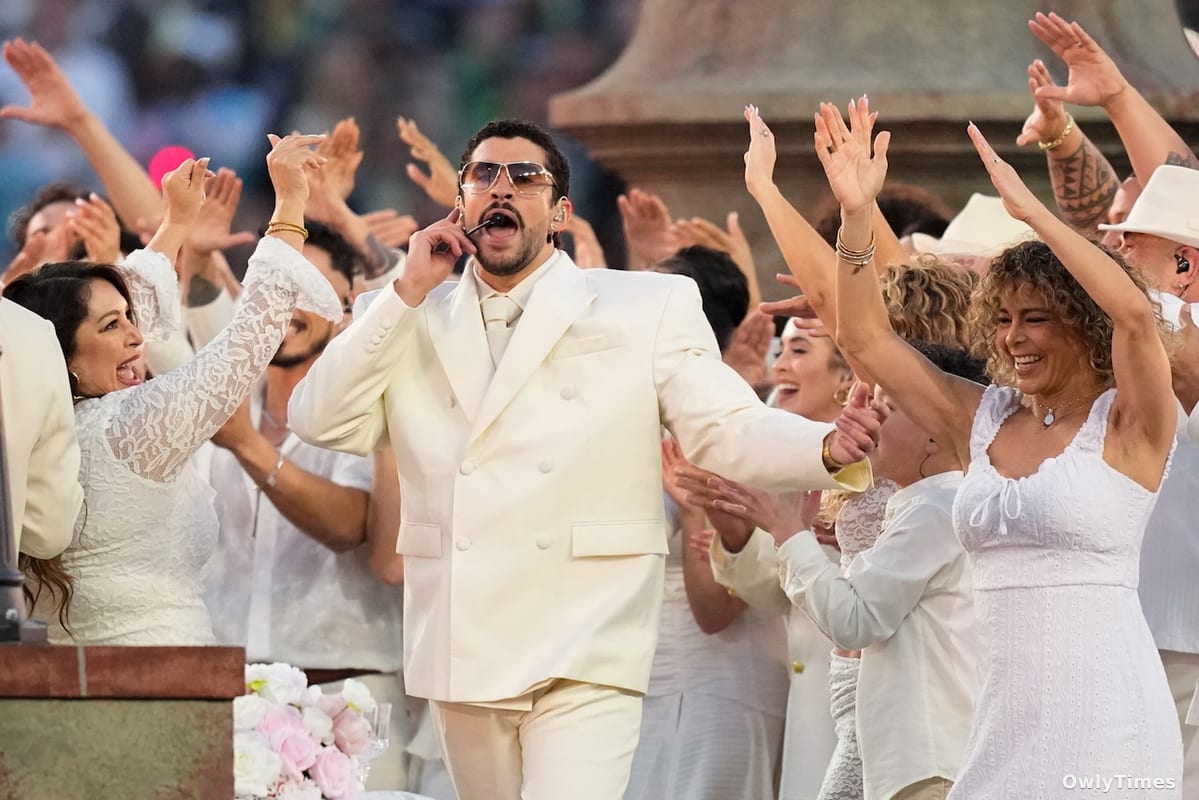
The immediate demand for a congressional probe into Bad Bunny’s Super Bowl LX halftime show, spearheaded by Representative Andy Ogles, wasn’t about obscenity standards – it was a calculated maneuver to activate a specific segment of the Republican base. The speed with which Ogles called for investigation, characterizing the performance as “pure smut” and filled with “unspeakable depravities,” reveals a strategic intent to leverage cultural anxieties for political gain. This wasn’t a spontaneous reaction to a musical performance; it was a pre-emptive strike in the ongoing culture war, designed to signal alignment with conservative values and energize donors.
The swift and definitive response from the Federal Communications Commission (FCC), led by Brendan Carr, a Trump appointee, is the crucial detail often overlooked. The FCC’s finding – that the performance did not violate decency regulations, and that lyrics were, in fact, “scrubbed” of potentially offensive content – undercuts the very foundation of Ogles’ accusations. This isn’t simply a case of differing opinions; it’s a direct contradiction between a member of Congress’s public claims and the findings of a federal agency. The New York Post’s reporting by Charle Gasparino confirming the lyric alterations further solidifies this discrepancy. The political calculus here is clear: Ogles needed a scandal, and when one didn’t organically exist, his claims created one anyway.
Reporting from pennlive.com informs this analysis.
This tactic isn’t new. Throughout American history, politicians have utilized manufactured outrage to rally support and distract from less favorable narratives. The Red Scare of the 1950s, fueled by Senator Joseph McCarthy’s unsubstantiated accusations of communist infiltration, serves as a stark precedent. Like McCarthy, Ogles is employing broad, inflammatory language to generate fear and distrust, albeit aimed at a different cultural target. The difference now is the speed and amplification afforded by social media, exemplified by the pointed rebuke from The Tennessee Holler on X, highlighting Ogles’ financial vulnerabilities and intra-party embarrassment. The fact that even Republicans are publicly distancing themselves from his actions demonstrates the potential for self-inflicted political damage.
Who benefits and who loses in this scenario? Ogles attempts to benefit by solidifying his image as a staunch conservative, potentially attracting donations and support from his base. However, he risks alienating moderate voters and appearing out of touch. The NFL, despite Donald Trump’s scathing criticism on Truth Social – decrying the performance as “terrible” and “disgusting” – actually benefits from the controversy. The Super Bowl LX halftime show, drawing 128.2 million viewers, was the fourth most-watched in history. Negative attention, even from a former president, drives engagement and reinforces the event’s cultural relevance. Bad Bunny himself gains exposure, solidifying his position as a global icon, even if it comes with the price of political scrutiny. Trump’s outburst, predictably, serves to reinforce his brand as a populist disruptor, appealing to a segment of his base that shares his disdain for mainstream culture.
The FCC’s handling of the situation is particularly revealing. While seemingly objective in its findings, the agency’s rapid response and detailed report suggest a desire to distance itself from the political firestorm. Carr’s position as a Trump appointee adds another layer of complexity. His adherence to the facts, despite potential pressure from the former president, could be interpreted as an attempt to maintain the agency’s credibility. However, the speed with which the matter was closed – “barring further evidence” – raises questions about whether the FCC was eager to avoid a prolonged and politically charged investigation. The question now isn’t whether Bad Bunny’s performance was offensive, but whether Andy Ogles will attempt to further escalate the issue, potentially demanding further investigation despite the FCC’s findings. Will he double down on the manufactured outrage, or will the political cost prove too high?