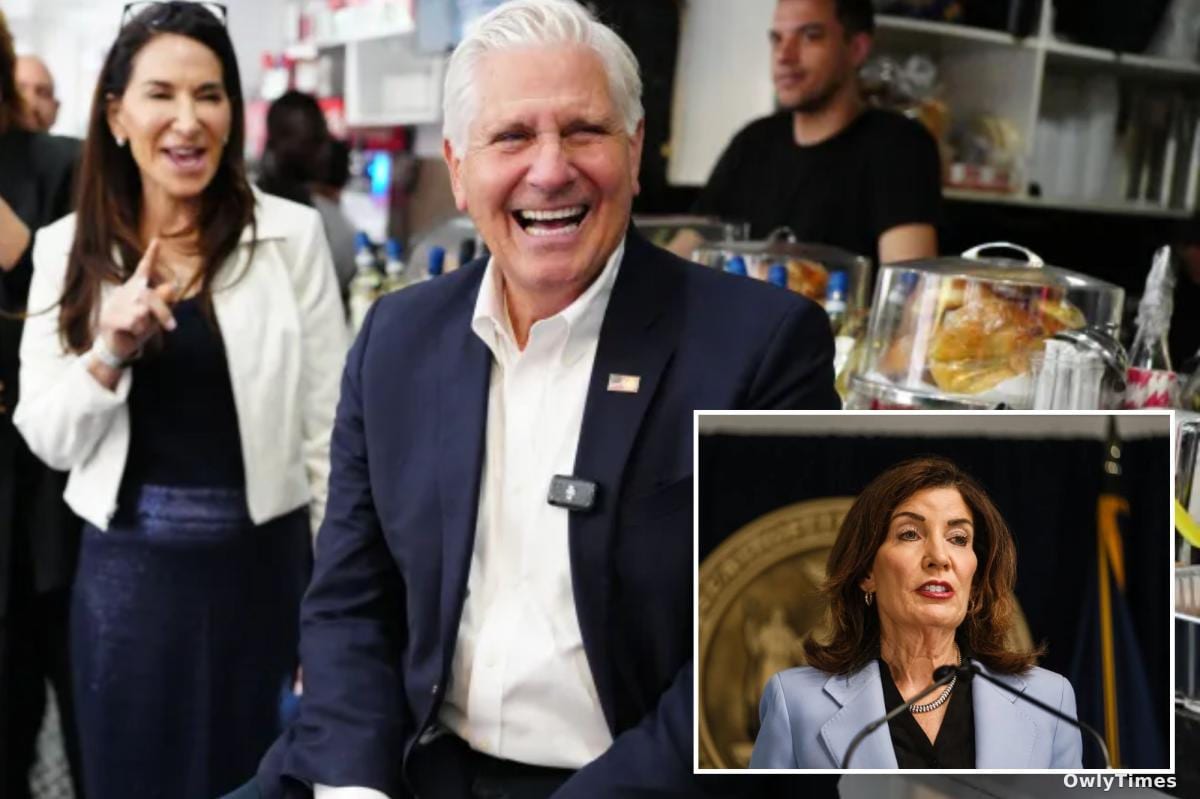

6.85% of wages per net new job represents the core fiscal lever currently used by New York State to incentivize corporate expansion, yet the state’s flagship Excelsior Jobs program remains largely inaccessible to the neighborhood eateries and local retail shops that define the Empire State’s economy. On Wednesday, Republican gubernatorial candidate Bruce Blakeman unveiled a policy pivot at Diner 24 in Gramercy Park, proposing a structural expansion of these tax credits to bridge the gap between "Main Street" and the corporate entities that typically dominate state subsidies.
Rethinking the Excelsior Jobs Framework
The Excelsior Jobs program currently functions as a tiered incentive system, offering credits of 6.85% for general job creation, 7% for semiconductor supply chain projects, and 7.5% for clean energy initiatives. While the Citizens Budget Commission noted in 2024 that the program is “generally well-designed and well-targeted,” the efficacy of these subsidies remains a subject of debate. Sean Campion, the commission’s director of housing and economic development studies, pointed to a lingering analytical gap, questioning whether these state-funded incentives are actually driving net-new economic activity or merely subsidizing growth that would have occurred independently.
Follow the money, and the current tension becomes clear: while the state utilizes these credits to lure large-scale investment, smaller firms—particularly those in the hospitality sector—are often excluded by the program’s design. A spokesperson for Governor Kathy Hochul maintains that the current program is effective, citing that more than half of the firms awarded tax relief are small businesses. However, Blakeman argues that the definition of "small business" in Albany’s current framework leaves a massive blind spot for restaurants and retailers, who face a different set of inflationary pressures than the technology-focused firms currently courted by the state.
The Cost of Doing Business in New York
Blakeman’s proposal is a direct response to what he labels the "Hochul Special," a catch-all term for the cumulative burden of utility costs, regulatory requirements, and the impending congestion pricing fee for vehicles entering Manhattan south of 60th Street. By pledging to end congestion pricing and offer security grants alongside the proposed expansion of the Excelsior program, the Nassau County executive is attempting to position himself as a candidate who prioritizes immediate operational relief over long-term corporate recruitment. For restaurant owners like Stratis Morfogen, who operates Diner 24, the priority is clear: navigating the current tax and regulatory environment has become an existential struggle for the "backbone of this city."
The political stakes are sharpened by the Hochul campaign’s rebuttal, which characterizes Blakeman’s record through the lens of property tax increases in Nassau County and the potential economic impacts of federal-level tariff policies. Campaign spokesperson Ryan Radulovacki argues that these factors, rather than state-level tax policy, are the primary drivers of the current climate for small businesses. This clash highlights a fundamental disagreement on the state’s role: should the government act as a selective investor in specific high-growth industries, or should it act as a broad-based tax cutter to lower the floor for all market participants?
Investor and Consumer Takeaway
For the local business owner and the investor watching New York’s fiscal climate, the immediate signal to monitor is the state’s continued reliance on performance-linked subsidies. If the political tide shifts toward broadening the Excelsior Jobs program, it would represent a fundamental change in how New York allocates its tax-credit budget, moving away from high-tech industrial policy toward direct relief for service-sector enterprises. The next reading of the state’s revenue data and the evolving performance metrics of the Excelsior program will indicate whether the state continues to favor targeted, sector-specific growth or if a broader, Main Street-focused tax relief strategy gains legislative momentum.





