
The Unexpected Bridge Between Bench Science and Global Impact
The recent passing of Barry Bloom, former dean of Harvard T.H. Chan School of Public Health, prompts a crucial reflection within the scientific community: how do we measure impact beyond the confines of the laboratory? Bloom’s career, as detailed in a remembrance by colleagues Marc Lipsitch and Yonatan Grad published in STAT on March 30, wasn’t simply a progression of immunological discoveries – though those were significant, particularly regarding immune responses to mycobacteria, the bacteria responsible for tuberculosis and leprosy. It was a deliberate, and somewhat unusual, expansion of a “bench scientist” into the complex world of global health implementation. This transition, and the success Bloom found within it, challenges the traditional academic model where specialized expertise often remains siloed.
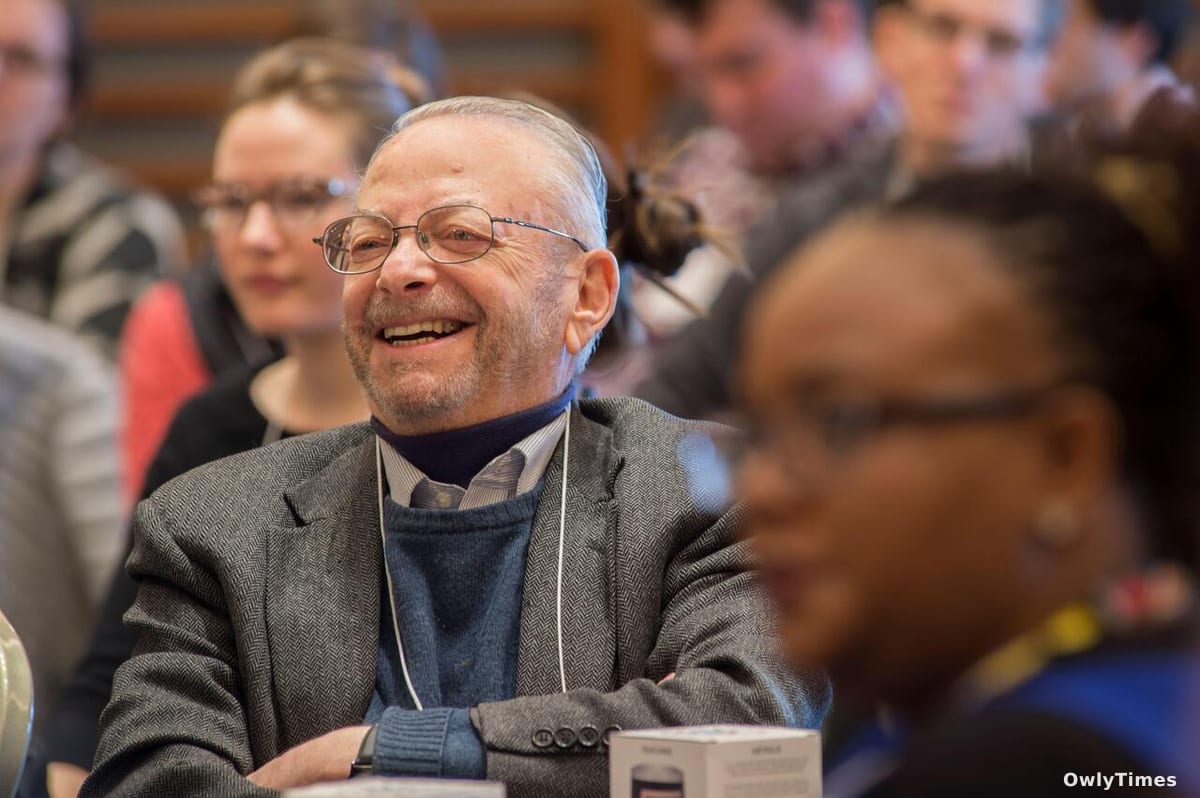
Drawn from hsph.harvard.edu.
Bloom’s foundational work in immunology, establishing him as “a key architect of the modern field,” provided the bedrock for his later endeavors. He didn’t simply apply his knowledge; he actively sought to understand the practical barriers to translating scientific breakthroughs into tangible improvements in public health. This is a distinction often lost in celebratory obituaries, which tend to focus on achievements rather than the deliberate choices that shaped them. Lipsitch and Grad highlight this by noting Bloom “took the unusual step…of immersing himself in global health,” working directly with organizations like the World Health Organization and the U.S. Centers for Disease Control and Prevention, and fostering collaborations in China, India, and Africa. The implication is clear: Bloom recognized that scientific rigor alone wasn’t sufficient; it needed to be coupled with a deep understanding of the social, economic, and political landscapes where interventions would take place.
The narrative surrounding Bloom’s legacy isn’t about a scientist abandoning his core discipline, but rather about expanding its reach. He continued active research – submitting his final immunology paper shortly before his death on March 18 – even while serving as dean and advising global health initiatives. This sustained engagement with fundamental science is vital. Too often, public health interventions are presented as “solutions” without a clear understanding of the underlying biological mechanisms. Bloom’s approach, as described by his colleagues, ensured that both the science and the implementation were informed by a commitment to intellectual honesty and a willingness to challenge assumptions. Lipsitch’s anecdote about Bloom’s blunt, yet constructive, criticism – “Marc, it is amazing how little you understand immunology” – illustrates a dedication to intellectual rigor that extended to his mentorship.
However, it’s important to acknowledge the limitations of celebrating individual achievements within complex systems. While Bloom’s leadership and vision were undoubtedly impactful, attributing success solely to one person risks overlooking the contributions of countless others involved in these global health programs. The remembrance understandably focuses on Bloom’s personal qualities and accomplishments, but a more comprehensive analysis would require examining the broader institutional and political contexts that enabled – or hindered – his efforts. Furthermore, the focus on his work in tuberculosis and leprosy, while crucial, doesn’t necessarily represent the entirety of the global health challenges he addressed.
Looking ahead, the publication of Bloom’s memoir, slated for release as an e-book, offers a unique opportunity to delve deeper into his thought process and decision-making. Will it reveal the internal tensions he faced navigating the often-conflicting priorities of scientific research, institutional leadership, and global health advocacy? More importantly, will it provide concrete guidance for aspiring scientists and public health professionals seeking to emulate his integrated approach? The field needs more than inspirational stories; it needs actionable frameworks for bridging the gap between discovery and impact. The question now is whether Bloom’s example will inspire a systemic shift towards valuing – and rewarding – scientists who actively engage with the real-world challenges their research aims to address.





