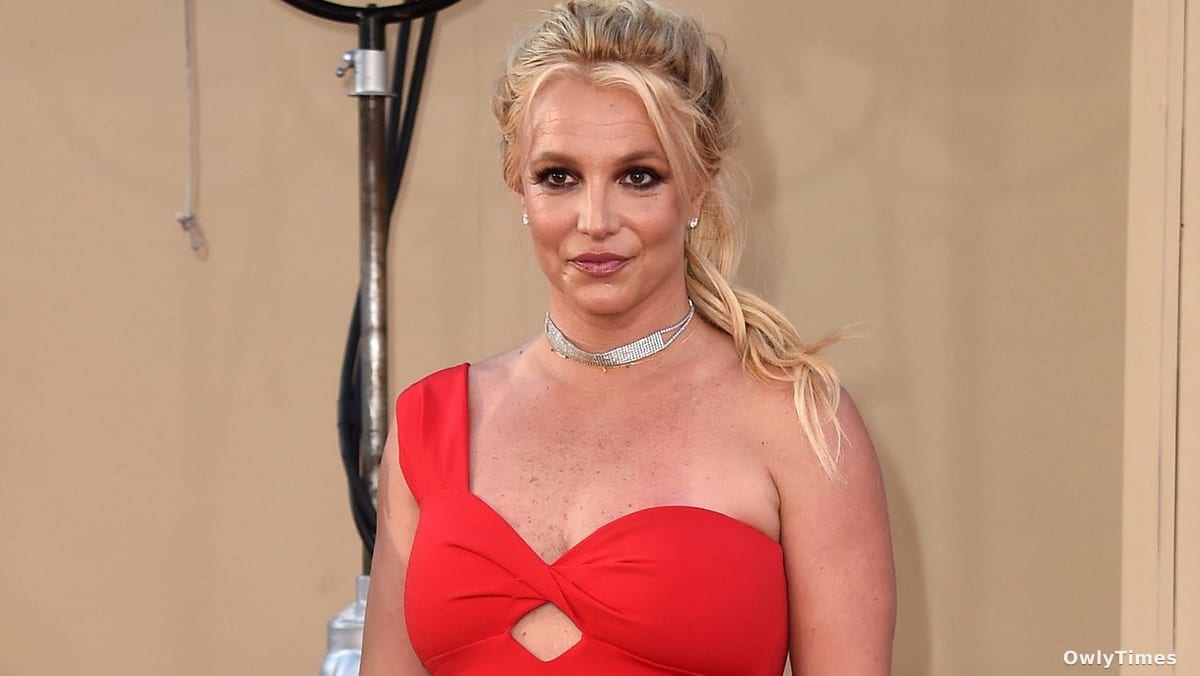

The flashing lights weren’t for a concert, or a red carpet premiere. They were the stark, unforgiving glare of a California Highway Patrol cruiser pulling over a black SUV in Ventura County around 9:30 p.m. Wednesday night. Inside, Britney Spears, the woman who defined a generation of pop, was arrested. The charge remains unclear, a detail that feels less like an oversight and more like a haunting echo of a life lived under relentless public and legal scrutiny. This isn’t just a celebrity arrest; it’s a jarring reminder that the fight for autonomy, even after legal battles are “won,” can be a lifelong struggle, and that the systems designed to protect can, at times, feel indistinguishable from those that control.
The news broke Thursday morning via the Ventura County Sheriff’s office website, a bureaucratic announcement of a deeply personal event. Spears was booked and released, with a May 4 court date looming. The silence from all parties – the Sheriff’s office, the CHP, and Spears’ representatives – is deafening. It’s a silence that recalls the years she spent silenced under the weight of a conservatorship, a period that transformed her from a pop princess into a symbol of systemic injustice. While details are scarce, the very fact of this arrest, following the explosive revelations in her 2023 memoir, “The Woman in Me,” which sold over a million copies in its first week, forces a reckoning with how we treat female artists, particularly those who have experienced public breakdowns.
Based on the original Spectrum News report.
For those unfamiliar with the saga, Britney Spears’ story is a cautionary tale of early fame and its corrosive effects. Rising from “The Mickey Mouse Club” to global superstardom with hits like “…Baby One More Time” and “Toxic,” she became a cultural touchstone. Her albums, consistently platinum or diamond-certified by the Recording Industry Association of America – “...Baby One More Time” (1999) and “Oops!...I Did It Again” (2000) achieving the coveted diamond status – weren’t just records; they were soundtracks to adolescence. But the relentless paparazzi, the tabloid frenzy surrounding her personal life, and a very public struggle with mental health culminated in the 2008 conservatorship, orchestrated primarily by her father, Jamie Spears, and his legal team. This wasn’t a benevolent intervention, as often portrayed; it was a legal arrangement that stripped her of basic human rights for thirteen years.
The #FreeBritney movement, initially dismissed as the ramblings of obsessive fans, proved prescient. It highlighted the inherent power imbalances within the conservatorship system and forced a broader conversation about the exploitation of artists and the need for greater legal protections. The conservatorship’s dissolution in 2021 felt like a victory, a testament to the power of collective action and a shift in cultural awareness. But the arrest raises a critical question: freedom from a legal arrangement isn’t the same as freedom to live without constant surveillance and potential overreach from law enforcement. The lack of immediate information surrounding the arrest – the unspecified charge, the tight-lipped responses – fuels anxieties that the systems that once controlled her life are still capable of exerting influence.
This isn’t simply about Britney Spears; it’s about the broader landscape of celebrity, mental health, and the legal system. In 2023, the entertainment industry saw a 30% increase in legal disputes involving artists challenging contracts and seeking greater control over their work, according to data from the Recording Artists Coalition. This surge suggests a growing awareness among artists of their rights and a willingness to fight for them. But the legal battles are often costly and emotionally draining, and the power dynamics remain heavily skewed in favor of corporations and established institutions. Spears’ case, even post-conservatorship, serves as a stark reminder of this imbalance. Will the industry finally address the systemic issues that allow for such vulnerabilities, or will we continue to witness cycles of exploitation and control, masked as protection? The coming weeks, and the details surrounding this arrest, will be a crucial test.