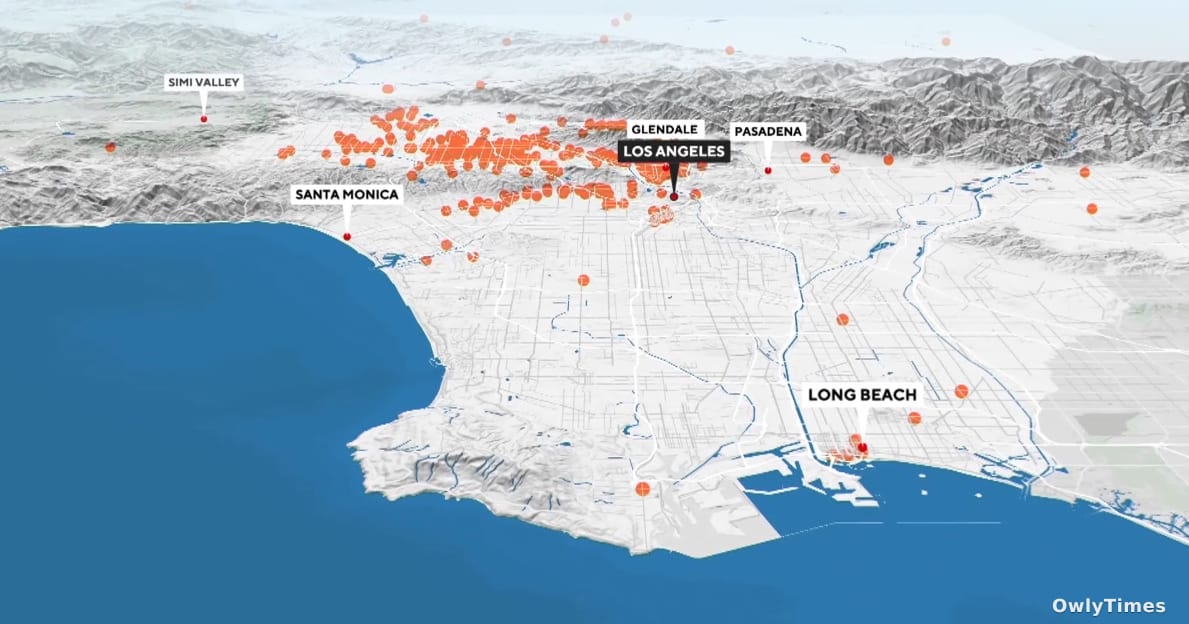

Is California’s “easy business” reputation now a haven for fraudsters? The state prides itself on being a launchpad for innovation, a place where anyone with a dream and a few bucks can start a company. But a recent investigation by CBS News California, reported by Ross Palombo, reveals a disturbing trend: over 800 business registrations filed in 2025 may be fraudulent, built on stolen identities. The real story here isn’t just about a few bad actors; it’s about a systemic vulnerability in how we define and verify “business” in the digital age, and the disproportionate impact on a specific, often overlooked, population.
The numbers, while representing a small fraction of the over 3 million businesses registered in California last year, are deeply unsettling. Consider this: for $70, CBS News California was able to register a business – “Fake Business, LLC” – with the Secretary of State’s office in minutes, with no apparent verification. This isn’t a glitch in the system; it’s a feature. California Secretary of State Shirley Weber’s office maintains it’s only required to file the paperwork, not investigate its legitimacy. That’s a crucial distinction, and one that’s leaving the door wide open for abuse. The claim of “stronger protection from business identity theft and fraud” through their secure portal rings hollow when a fake entity can be created so effortlessly.
Drawn from CBS News.
The investigation uncovered a pattern: criminals are specifically targeting former legal immigrants. David Maimon, a fraud investigator with SentiLink, describes these stolen identities as “gold” for fraudsters. Why? Because individuals who have previously lived and established records in the U.S., then returned to their home countries, are less likely to detect the fraud quickly. Tomas Andriusonis, a Dutch resident, discovered someone had registered “Andriusonis Kitchen & Bath” in North Hills, California, listing a residential address. He’d never owned a kitchen and bath business, and had no idea a $45,000 loan had been taken out in his name by Bank of America. This isn’t an isolated incident. Multiple suspicious filings – construction companies, senior care centers, nail salons, pharmacies – all led to dead ends, private homes, or simply didn’t exist. Three separate fraudulent businesses were even registered to a single apartment in Glendale.
The consequences extend far beyond bounced checks and credit score dips. One woman, a former Penn State student now living in Thailand, saw her credit score plummet from 800 to 419 after a fake construction company was registered in her name, racking up $30,000 in fraudulent charges. As Los Angeles County Sheriff’s Department Sgt. Peter Hish notes, these cases aren’t just financial; they can be devastating, even leading to suicidal thoughts. The sheer volume of ID theft cases his Cyberfraud Unit handles – 25,000 last year in L.A. County alone – is staggering. The problem isn’t simply business registration fraud; it’s a symptom of a larger, more insidious issue: the ease with which identities can be exploited in a digitally connected world.
The silence from Governor Gavin Newsom’s office is particularly telling. Repeated interview requests were declined, and no statement was issued. This isn’t a partisan issue; it’s a public safety issue. The current system prioritizes speed and ease of doing business over robust identity verification, and the cost is being borne by vulnerable individuals, often those who have already navigated the complex process of immigration. The Federal Trade Commission data paints a grim picture: 135,575 reports of identity theft between Q1 and Q3 of 2026, nearly matching the entire year of 2024. Los Angeles, Long Beach, and Anaheim rank sixth among all U.S. metropolitan areas for identity theft.
Looking ahead, expect to see a surge in lawsuits against financial institutions that approve loans based on fraudulently registered businesses. Banks, like Bank of America in Andriusonis’ case, will be forced to tighten their lending criteria and invest in more sophisticated fraud detection tools. But the real pressure will be on California to overhaul its business registration process. The question isn’t if they’ll act, but when – and whether they’ll prioritize convenience for entrepreneurs or protection for the individuals whose identities are being stolen to fuel this growing criminal enterprise. Watch for a pilot program in early 2027 requiring multi-factor authentication for all new business registrations, specifically targeting individuals with a history of international residency. If that fails to stem the tide, California may be forced to implement a far more intrusive – and controversial – system of identity verification.





