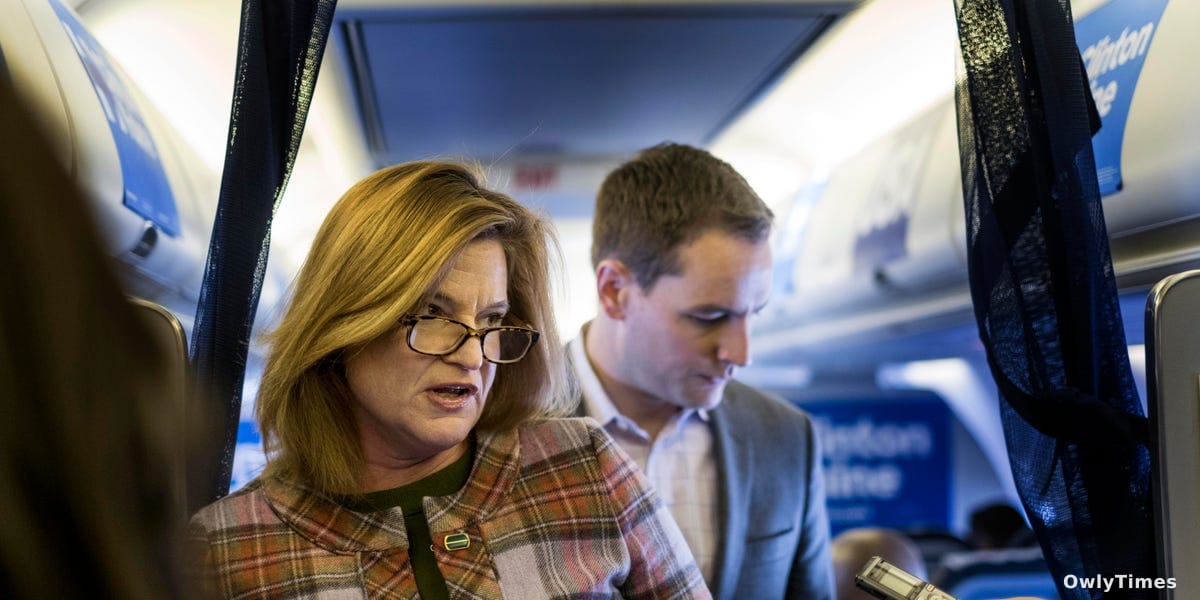

The surge in pre-election activity within the campaign aviation sector isn’t about a newfound love of flying; it’s a calculated move to maximize candidate exposure in a shrinking window of opportunity. As Gregg Brunson-Pitts’ firm, Advanced Aviation Team, prepares for a busy 2026 cycle, the demand for bespoke travel solutions reveals a core truth about modern campaigning: time is the most valuable, and most expensive, resource. The ability to rapidly deploy a candidate – and their accompanying entourage of staff, security, and press – to key battleground states isn’t a perk, it’s a strategic imperative. This isn’t a new phenomenon, but the scale and sophistication of the logistical operation, as detailed by Taylor Rains, underscores a growing reliance on private aviation as a fundamental component of electoral success.
The business of moving politicians isn’t simply about booking flights. Brunson-Pitts’ success, built on eight years running the White House Travel Office under George W. Bush, hinges on understanding the complex interplay between security protocols, media access, and the relentless demands of a campaign schedule. Advanced Aviation Team, like competitors such as UK-based Air Partner, operates as a broker, accessing a network of contracted aircraft to fulfill needs ranging from regional jets to customized airliners. This brokerage model allows for flexibility – a crucial advantage when itineraries can shift dramatically based on polling data or breaking news. Who benefits and who loses here is clear: campaigns with substantial financial backing gain a significant advantage in reach and responsiveness, while those relying on commercial travel face inherent limitations in speed and control.
Drawn from Business Insider.
The historical parallel to this dynamic is striking. Consider the evolution of presidential campaigning itself. Before the advent of widespread air travel, candidates relied on train tours, limiting their reach and forcing them to spend days traversing the country. The introduction of airplanes dramatically altered the landscape, allowing for more frequent and geographically diverse appearances. Franklin D. Roosevelt’s pioneering use of air travel in the 1930s, though rudimentary by today’s standards, demonstrated the power of rapid deployment. Today’s chartered jets are simply the latest iteration of this trend, accelerating the pace of campaigning to a near-constant state of motion. The difference now is the level of customization – from branding aircraft with campaign logos to catering to a candidate’s specific dietary preferences – that elevates the travel experience from functional to a carefully curated extension of the campaign’s image.
The financial implications are substantial. While Bernie Sanders faced criticism for spending over $221,000 on private flights during his 2024 “Fighting Oligarchy” tour, his justification – that commercial travel was impractical given the schedule – highlights a central tension. Candidates are expected to connect with everyday voters, yet the very nature of modern campaigning often necessitates a level of exclusivity and convenience that can appear out of touch. The $2.2 million spent by the 2020 Joe Biden campaign on private charters, and the estimated $30,000-per-hour cost of JD Vance’s Boeing 737, demonstrate the significant investment campaigns are willing to make to gain a competitive edge. This raises questions about campaign finance transparency and the potential for wealthy donors to exert undue influence through contributions that directly fund these travel expenses.
The security dimension adds another layer of complexity. Coordinating with Capitol Police, state security details, or private security firms requires meticulous planning and adherence to strict protocols. Brunson-Pitts’ experience navigating these challenges, honed during his time with the White House Travel Office, is a key differentiator for Advanced Aviation Team. The need to balance security concerns with the demands of a fast-paced campaign schedule often dictates everything from airport selection to aircraft parking arrangements. This isn’t merely about protecting the candidate; it’s about minimizing disruptions and maintaining control over the narrative. The question now isn’t if campaigns will continue to rely on private aviation, but how they will adapt to evolving security threats and increasing scrutiny of campaign spending. The next political chess move to watch is whether the FEC will revisit regulations surrounding campaign travel expenditures, potentially leveling the playing field or further entrenching the advantages of well-funded candidates.





