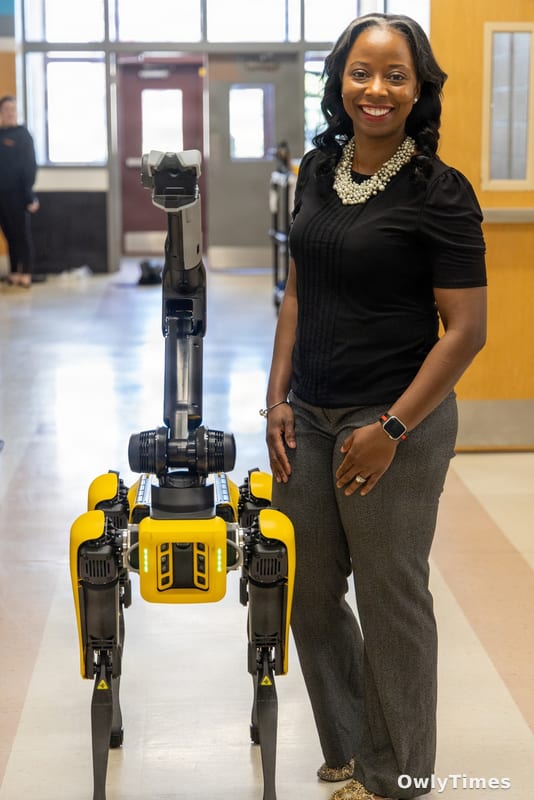

How do we translate the abstract promise of a career in naval engineering into a tangible ambition for a student in a rural classroom? This is the fundamental challenge facing the Naval Surface Warfare Center, Carderock Division (NSWCCD) as it attempts to cultivate the next generation of scientific talent. While the defense sector often focuses on the finished product—the ships, the sensors, and the strategic capabilities—the real work of national security begins with ensuring that the talent pipeline remains robust and geographically diverse.
Bridging the Gap in Rural Maryland
On April 9, the connection between high-level naval research and local education became remarkably physical. During the Calvert County MESA (Mathematics, Engineering, Science Achievement) Day held at Huntingtown High School, representatives from NSWCCD stepped outside their traditional laboratory environments. By choosing a rural setting for this outreach, the organization is acknowledging a critical reality: the most innovative minds are not confined to major metropolitan research hubs. Bridging the distance to underserved communities is not merely a social initiative; it is a strategic imperative to ensure that the Navy’s future workforce reflects the full breadth of available domestic talent.
Robotics as a Gateway to Engineering
The highlight of the event was a live demonstration of a Boston Dynamics robot dog, a piece of technology that serves as a powerful bridge between scientific theory and practical application. While headlines often sensationalize the rise of autonomous systems, the study of these platforms reveals a more nuanced reality: they are complex puzzles of mechanical engineering, sensor integration, and software development. By bringing this hardware directly to Huntingtown High School, Carderock scientists provided a clear window into the actual work of a naval engineer. The demonstration moved the conversation away from vague notions of "working for the Navy" and toward the specific technical challenges of robotics and automation.
Reality Versus the Outreach Narrative
It is important to distinguish between the excitement of a live demonstration and the long-term methodology of workforce development. While the appearance of a robot dog generates immediate engagement, the true metric of success for the Navy’s outreach program lies in sustained mentorship and career pathway transparency. The event functioned as a keynote platform, but the deeper objective is the transition from a single day of inspiration to a structured pipeline for students interested in STEM. Critics of such outreach programs often point to the "one-off" nature of school visits, noting that interest can wane without a clear, multi-year roadmap for students. The Navy’s commitment here rests on whether these interactions serve as a starting point for internships or continued academic engagement.
Limitations to Consider
While the enthusiasm at Huntingtown High School was evident, scaling this model across a broader rural landscape presents logistical and financial constraints. Deploying specialized equipment and personnel to remote locations requires a significant allocation of resources that must be balanced against ongoing research and development demands at the Carderock facility. Furthermore, the effectiveness of these sessions is difficult to quantify in the short term. The success of this outreach will not be measured by the number of students who cheered for the robot dog on April 9, but by the longitudinal data tracking how many of these participants eventually pursue degrees or certifications in naval-aligned engineering fields.
Next Steps for the STEM Pipeline
The Navy’s next indicators of success will be found in the enrollment numbers for their summer internship programs and the subsequent application rates for naval engineering roles originating from rural school districts. As the organization continues to evaluate its engagement strategy, the next reading of workforce recruitment metrics from the Calvert County region will show whether these localized demonstrations effectively translate into a measurable increase in the regional talent pool. This transition from inspiration to career-track enrollment is the primary hurdle in securing a future-ready engineering workforce.