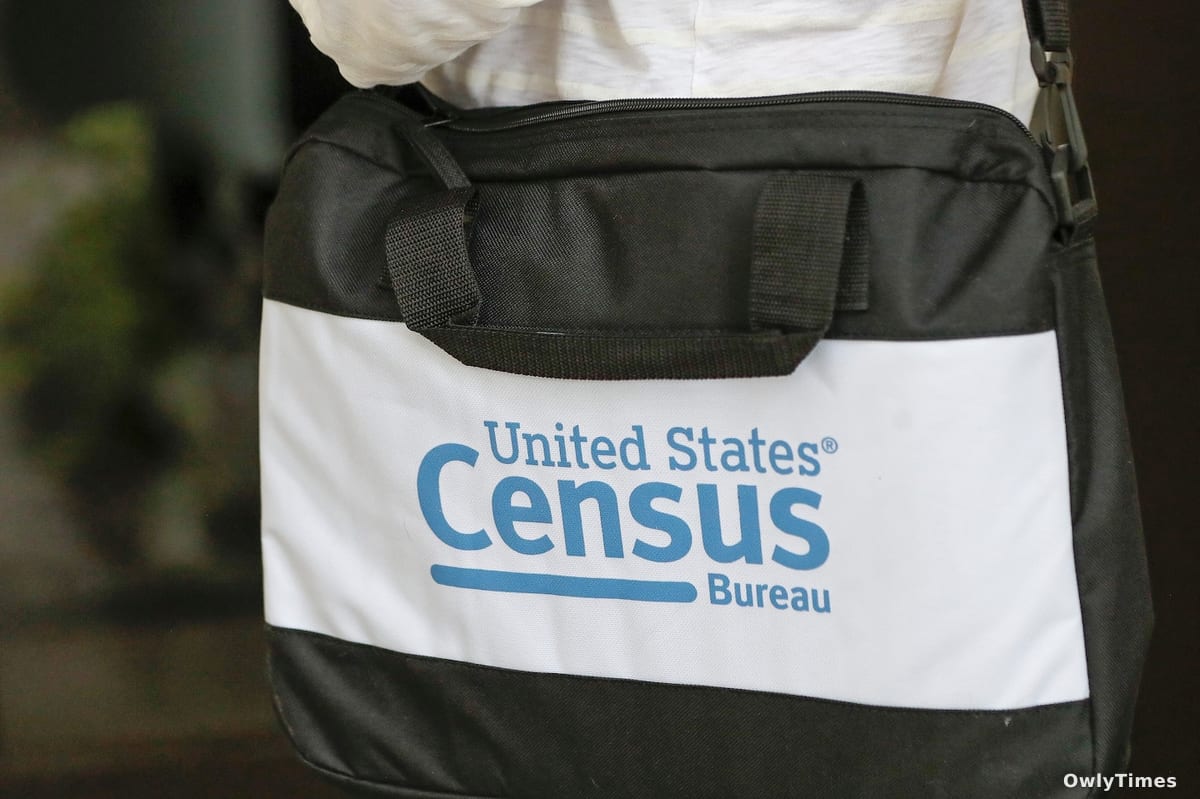

The reintroduction of a citizenship question into the U.S. Census Bureau’s 2030 census test run isn’t a data-gathering decision; it’s a calculated risk aimed at solidifying political power through redistricting, despite clear warnings from within the Democratic Party about its potential to depress participation and distort representation. The move, announced on February 19, 2026, isn’t about improving census accuracy – the Bureau already possesses methods for estimating citizenship status – but about influencing the allocation of congressional seats and federal funding based on a potentially smaller, less representative population count. This isn’t simply a revisiting of the 2020 census debacle; it’s a deliberate escalation of a strategy to advantage specific political interests.
The Echo of 2020 and the Shifting Demographic Landscape
The immediate reaction from congressional Democrats, as reported by the Associated Press, centers on the chilling effect a citizenship question will have on immigrant communities. This concern is well-founded, stemming directly from the 2020 census experience. In 2019, the Trump administration attempted to add a citizenship question, sparking a legal battle that ultimately reached the Supreme Court. While the question was blocked, the attempt itself demonstrably lowered response rates in areas with large immigrant populations during the 2020 test runs. The current Bureau’s decision to include the question in the 2026 test, even as a “test,” signals a willingness to accept that risk. The demographic shifts since 2020 – a slowing of overall population growth coupled with increasing racial and ethnic diversity – amplify the stakes. A lower count in rapidly growing minority communities directly translates to diminished political influence for those communities and a potential boost for areas with slower growth and predominantly white populations.
Source material: The Washington Post.
Who Benefits and Who Loses in the Census Equation
The immediate losers are clear: immigrant communities, particularly those with undocumented members, and the states with large immigrant populations – California, Texas, Florida, and New York stand to lose the most representation. These states have consistently gained congressional seats in recent decades due to population growth, but a suppressed count could halt or even reverse that trend. Conversely, states with slower growth and smaller immigrant populations, primarily in the Midwest and South, could benefit from a redistribution of congressional seats. Beyond representation, the loss of accurate population data impacts the allocation of over $675 billion annually in federal funding, affecting programs like Medicaid, highway planning, and school lunches. The beneficiaries here aren’t necessarily specific states, but rather the political factions that prioritize maintaining the existing power structure, where rural and traditionally conservative states often wield disproportionate influence in the Senate and Electoral College.
A Historical Pattern of Census Manipulation
This isn’t the first time the census has been weaponized for political gain. Throughout American history, attempts have been made to manipulate the count to favor certain groups. In the 19th century, Southern states attempted to count enslaved people as three-fifths of a person to increase their representation in Congress, while simultaneously denying those same individuals basic rights. More recently, during the Reagan administration, there were accusations of deliberate undercounting in minority communities. The current situation differs in its method – not outright exclusion, but the creation of an environment of fear – but the underlying motivation remains the same: to shape the political landscape through demographic control. The Bureau’s justification for the test question, framed as a means to improve data quality for statistical purposes, rings hollow given the documented negative consequences of similar attempts in 2020. The Bureau’s stated goal of “assessing the impact of different question wording” is a procedural fig leaf for a deeply political decision.
The Next Move: Litigation and Legislative Response
The political chess move to watch next isn’t whether the citizenship question remains in the 2030 census itself – it’s the legal and legislative response. Democratic Attorneys General are already signaling their intent to challenge the Bureau’s decision in court, likely arguing that it violates the equal protection clause of the Fourteenth Amendment. However, the conservative majority on the Supreme Court may be more receptive to arguments about the Bureau’s authority to collect citizenship data. Simultaneously, Democrats in Congress will likely attempt to pass legislation prohibiting the inclusion of citizenship questions in the census, but face an uphill battle given the narrow Democratic majority and the likelihood of a Republican filibuster in the Senate. The crucial question is whether Democrats can mobilize sufficient public pressure and legal resources to effectively counter this move, or whether the 2030 census will become another battleground in the ongoing struggle for political representation.





