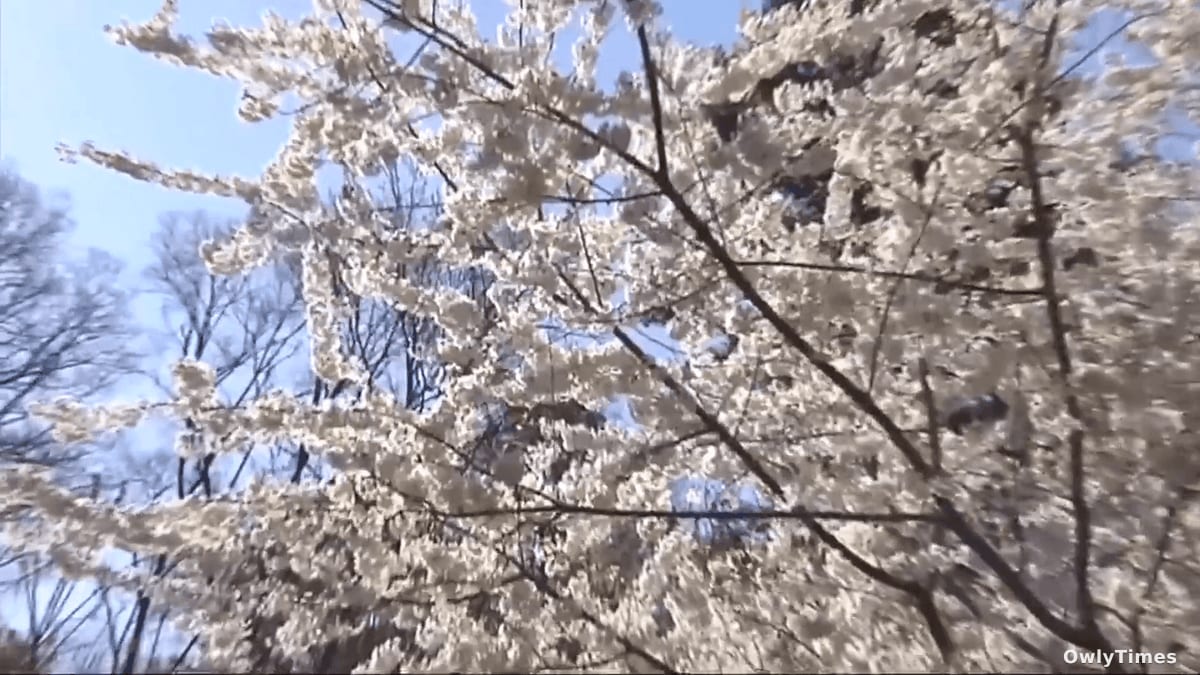

The familiar spring ritual of sneezing, itchy eyes, and runny noses may stretch longer this year, but the anxiety surrounding a “worse” allergy season isn’t simply about higher pollen counts. It’s about a destabilized climate increasingly disrupting predictable biological rhythms, and the challenge of interpreting what “normal” even means when the baseline is shifting. While headlines proclaim a potentially “prolonged” allergy season, the reality, as Howard Gamble, Administrator of the Wheeling-Ohio County Health Department, explains, is far more nuanced – and harder to forecast. The concern isn’t necessarily a peak higher than previous years, but a sustained, drawn-out exposure to allergens, potentially overwhelming immune systems already taxed by recent respiratory illnesses.
The Weather’s Role: Beyond Simple Warmth
The core of the current concern lies in the unusual weather patterns observed across much of the United States. Gamble specifically points to the combination of recent rainfall and unseasonably warm temperatures as a catalyst for accelerated plant growth and, consequently, increased pollen production. This isn’t a novel observation; meteorologists have long understood the link between climate and allergen levels. However, the intensity of these shifts is what’s prompting heightened alerts. The 50 million Americans already grappling with seasonal allergies – a figure that has steadily risen over the past decade – may find their symptoms triggered for a longer duration. It’s important to note that “prolonged” doesn’t necessarily mean a single, massive pollen surge. Instead, it suggests a more consistent, extended period of moderate to high pollen levels, potentially beginning earlier and lasting later into the fall. In Wheeling, West Virginia, pollen counts are currently registering as low to moderate, but the potential for escalation remains.
See the original wtov9.com story for the full account.
Predicting the Unpredictable: Allergy Seasons and Infectious Disease
One of the most striking analogies Gamble employs is comparing allergy seasons to infectious diseases like influenza. Both exhibit cyclical patterns – predictable rises and falls – but both are ultimately subject to unpredictable variables. We can model the spread of a virus, and we can track historical pollen counts, but pinpointing the severity of a given season remains elusive. This is because both are influenced by complex interactions of environmental factors and individual susceptibility. The statement that “there is no way to say this is going to be a better year than others” isn’t a dismissal of the issue, but a frank acknowledgement of the inherent limitations in predictive modeling. Last year’s allergy season, for example, might have been mild in a particular region, but that doesn’t guarantee a similar outcome this year, especially given the altered climate conditions. The comparison to influenza is particularly relevant given the recent surge in respiratory illnesses; individuals whose immune systems are still recovering may experience more severe allergic reactions.
Beyond Antihistamines: A Focus on Long-Term Adaptation
The standard recommendations – over-the-counter antihistamines and nasal sprays – remain the first line of defense for managing allergy symptoms. For those with more severe reactions, allergy testing is advised, allowing for targeted treatment and avoidance strategies. However, relying solely on symptomatic relief addresses the effect of the problem, not the cause. The increasing frequency and intensity of allergy seasons suggest a need to shift towards proactive adaptation. This includes not only individual measures, like air filtration systems and careful landscaping choices, but also broader public health initiatives focused on monitoring pollen levels, identifying regional allergen hotspots, and educating the public about long-term mitigation strategies.
What to Watch For: The Shifting Phenology of Pollen
The most crucial question moving forward isn’t simply if this allergy season will be worse, but how it will deviate from established patterns. We need to pay close attention to the phenology of pollen – the timing of pollen release – in different regions. Are we seeing earlier blooms? Are certain plant species exhibiting unusually high pollen production? Are the typical peak allergy periods shifting? Tracking these changes will be essential for refining our predictive models and developing more effective public health responses. Specifically, residents should monitor local pollen forecasts and document their own symptom patterns, noting any changes in timing or severity. This citizen science approach, combined with rigorous scientific research, will be vital for navigating the increasingly unpredictable landscape of seasonal allergies in a changing climate.