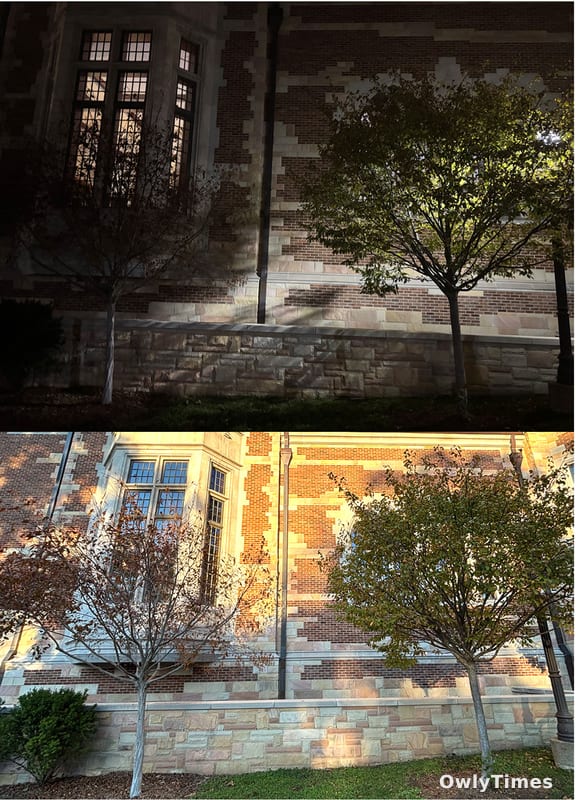

The Unexpected Link Between City Lights and Worsening Allergies
For decades, public health campaigns have focused on reducing airborne pollutants from vehicles and industry as the primary drivers of respiratory illness. But a new study, published in PNAS Nexus, suggests a far more pervasive – and surprisingly overlooked – factor is extending and intensifying allergy seasons across the eastern United States: artificial light at night. This isn’t about a single factory’s emissions, but the cumulative effect of how we illuminate our cities, towns, and even suburban landscapes. The research, spearheaded by a team analyzing data from NASA’s Black Marble satellite, demonstrates a clear correlation between increased artificial light and significantly longer, more severe pollen seasons, a finding that challenges conventional wisdom about allergy triggers and demands a re-evaluation of urban planning practices.
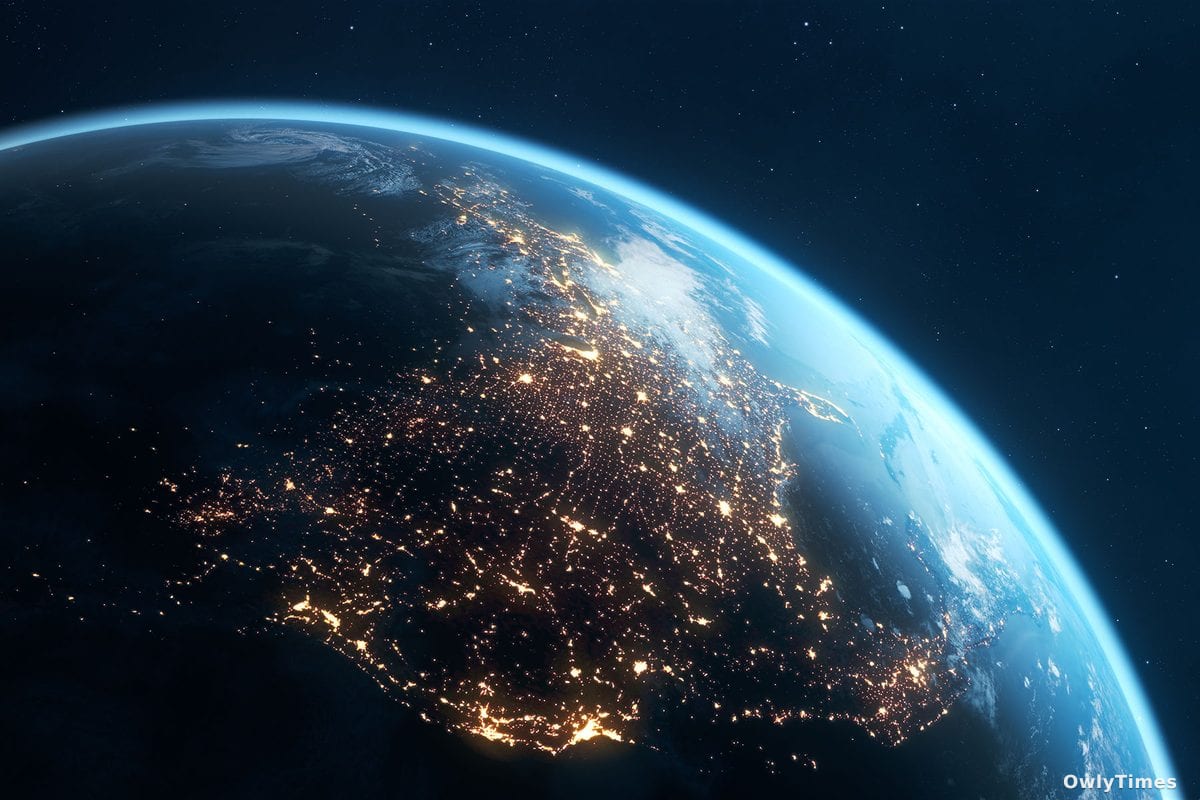
The core of the study lies in a clever methodological approach. Researchers, led by James Riordon, didn’t rely on self-reported allergy symptoms or localized pollen counts. Instead, they compared the timing of pollen seasons with detailed maps of artificial light, generated from NASA’s Black Marble images. These images, capturing nighttime light emissions, allowed for a broad-scale analysis across the eastern U.S. What they discovered is stark: in areas with minimal artificial light, significant pollen counts were observed for an average of 170 to 210 days per year. However, in brightly lit urban centers like New York City, that number jumped dramatically to 300 days. This isn’t simply a matter of a few extra weeks of sniffles; it represents a nearly 50% increase in the duration of pollen exposure. It’s crucial to understand that the study isn’t proving light causes longer pollen seasons, but establishes a strong statistical association that warrants further investigation into the underlying mechanisms.
Reporting from [science.nasa.gov](https://science.nasa.gov/blogs/science-news/2026/02/24/nasa-sats-show-lights-worsen-allergyseason/) informs this analysis.
Beyond the sheer length of the pollen season, the study also revealed a concerning increase in pollen severity. In areas with low artificial light, severe pollen levels were recorded on 17% of season days. In brightly lit areas, that figure rose to 27%. This means allergy sufferers in cities aren’t just experiencing pollen for longer, they’re facing higher concentrations of it, increasing the likelihood of debilitating symptoms and exacerbating conditions like asthma. The implications are particularly acute for vulnerable populations – children, the elderly, and individuals with pre-existing respiratory conditions – who are disproportionately affected by poor air quality. While headlines might suggest a simple “city vs. country” divide, the nuance lies in the degree of light exposure, meaning even suburban areas with significant street lighting could be contributing to the problem.
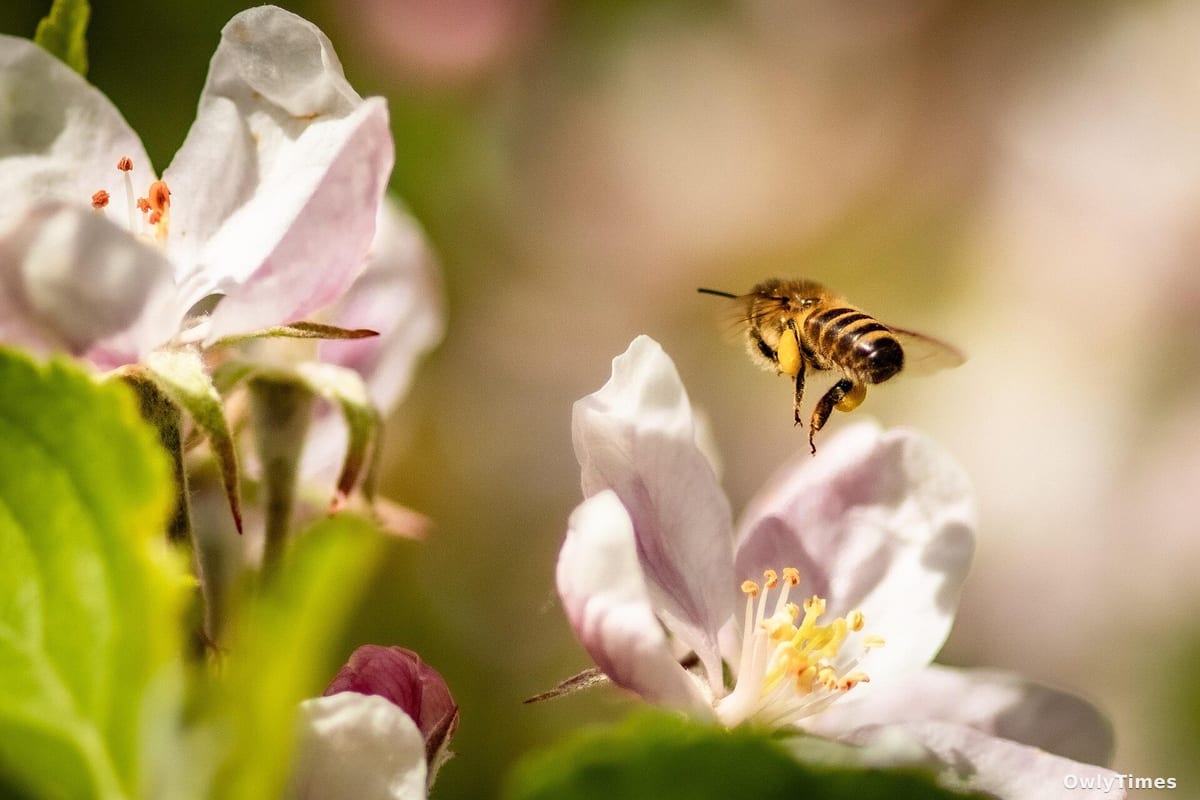
The biological explanation centers on the impact of artificial light on plant phenology – the timing of life cycle events like flowering. Plants, like all living organisms, respond to environmental cues. Traditionally, daylight hours and seasonal temperature changes signaled when to bloom. However, artificial light disrupts this natural rhythm, tricking plants into flowering earlier and for a longer duration. This is particularly pronounced with blue light, a component of many LED streetlights, which mimics the wavelengths of sunlight most effective at triggering flowering. The researchers propose several mitigation strategies, ranging from reducing overall light levels to shielding fixtures and utilizing motion sensors to minimize unnecessary illumination. A shift towards “warmer” light sources, with less blue light, could also play a role.
Limitations to Consider
It’s important to acknowledge the limitations of this study. While the correlation between light and pollen is strong, establishing a definitive causal link requires further research. The study focused solely on the eastern United States, and the findings may not be generalizable to other regions with different climates, plant species, or lighting infrastructure. Furthermore, the PNAS Nexus study doesn’t account for other factors that influence pollen production, such as climate change, land use patterns, and the presence of specific allergenic plant species. It’s also worth noting that the Black Marble satellite data, while providing a valuable broad-scale overview, has inherent limitations in its resolution and accuracy. The study also doesn’t delve into the specific plant species most affected by artificial light, which is a crucial area for future investigation.
What This Means for Urban Planning
This research isn’t simply an academic exercise; it has direct implications for public health and urban planning. For too long, discussions about light pollution have centered on its impact on astronomical observation and wildlife. This study adds a critical human health dimension to the conversation. City planners and policymakers now have a data-driven foundation for considering the unintended consequences of artificial lighting on allergy sufferers. The next step is to conduct localized studies to assess the specific impact of different lighting technologies and urban designs on pollen production and distribution. We need to move beyond a one-size-fits-all approach to lighting and embrace strategies that minimize ecological disruption while still ensuring public safety.
Looking ahead, a key question is whether targeted interventions – such as shielding lights or switching to amber LEDs – can demonstrably reduce pollen levels and alleviate allergy symptoms in affected communities. Will municipalities be willing to invest in these changes, balancing the costs against the potential health benefits? And perhaps most importantly, will this research prompt a broader societal conversation about our relationship with artificial light and its often-unforeseen consequences for the natural world – and our own well-being?