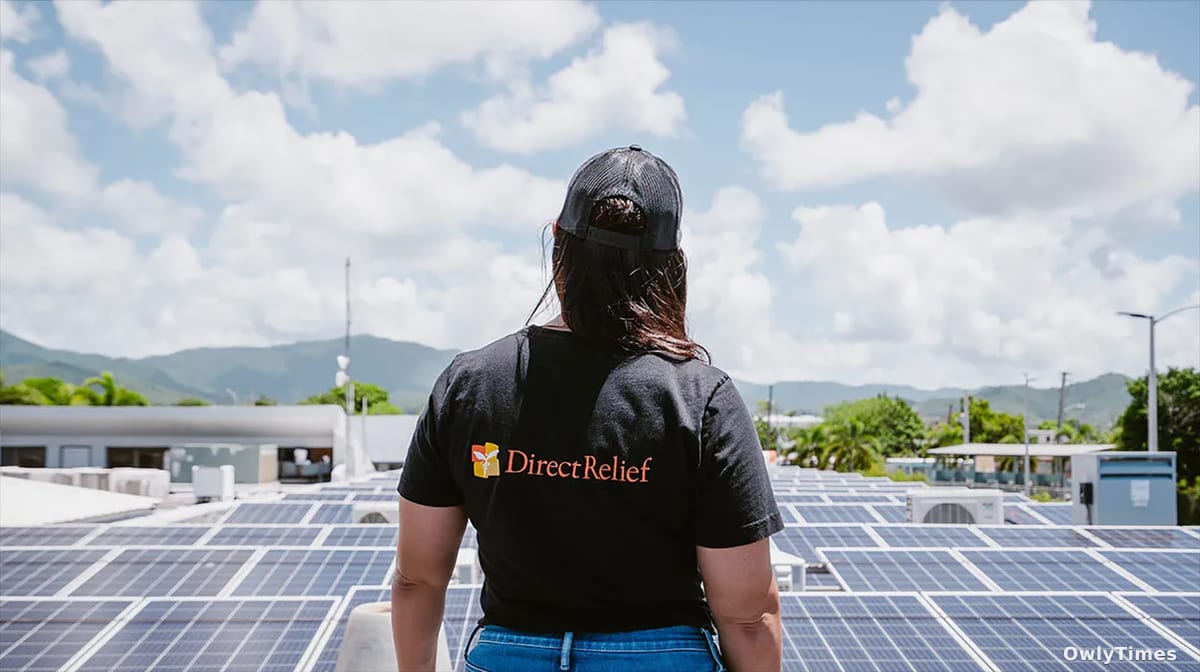

The modern medical system is built on a silent, constant assumption: the lights will stay on. As climate-driven disasters like record-setting hurricanes and year-round wildfire seasons intensify, this assumption is being tested with increasing frequency. The scientific question at hand is no longer just how to treat disease, but how to maintain the physical infrastructure of healing when the environmental conditions surrounding our clinics become profoundly unstable.
Invisible Until It Fails
Electricity is the quiet engine of clinical care, yet it remains largely invisible until it fails. It is the invisible tether that maintains the cold chain for temperature-sensitive vaccines and the power source for digital health records and essential diagnostic equipment. When a power grid collapses during an extreme weather event, the consequences are immediate and often catastrophic. Care does not simply pause; it breaks.
For the nonprofit sector, the financial and human costs are particularly acute. Direct Relief has documented cases where community clinics lost tens of thousands of dollars in spoiled medications during extended outages. For facilities already operating with thin margins, these losses translate directly into fewer patients receiving care, effectively widening the gap for populations that already face significant barriers to medical access.
From Diesel Dependence to Solar Stability
The distinction between a temporary inconvenience and a life-saving intervention often comes down to the presence of resilient energy systems. In Northern California, for example, Winters Healthcare—a federally qualified health center serving Yolo County—has transitioned to a solar-and-battery microgrid. This facility supports more than 4,500 patients annually, many of whom are agricultural workers. By decoupling their operations from the volatility of the main electrical grid, they ensure that medical, dental, and behavioral health services remain functional regardless of external weather conditions.
The strategy of moving away from traditional, often unreliable, diesel generators is also playing out on a global scale. In southwestern Liberia, the installation of solar power and on-site medical oxygen at a remote hospital represents a shift toward energy independence in regions where a stable electrical grid is nonexistent. This work extends to the Caribbean, where Direct Relief is partnering with the Organization of Eastern Caribbean States (OECS) to harden hospital infrastructure against the specific, recurring threats posed by tropical storms.
The Limits of Decentralized Infrastructure
While the adoption of microgrids is a significant technological leap, it is important to consider the limitations of this approach. Solar-plus-storage systems require substantial upfront capital and ongoing technical maintenance that can be difficult for smaller, resource-strapped clinics to manage independently. Furthermore, while these systems are highly effective for localized operations, they do not resolve the systemic fragility of regional grids upon which broader public health responses depend. The success of these microgrids is currently measured by the ability of individual facilities to maintain "islanding" capabilities—the ability to operate independently from the main grid—during a crisis.
Evaluating the Resilience Baseline
The next phase of this work will be determined by the ability of these institutions to integrate renewable storage into their long-term operational budgets. Direct Relief has applied this model to its own 155,000-square-foot global distribution center in Santa Barbara, California, which has utilized a rooftop solar photovoltaic system and backup batteries since 2019. The ultimate effectiveness of this model will be measured by the performance of these systems during the next major surge of extreme weather. Whether these microgrids can scale from individual clinic-level solutions to broader regional health networks will define the next chapter in climate-resilient healthcare.





