
Is South Carolina finally waking up to the fact that “future-proof” jobs aren’t all coding bootcamps and Silicon Valley dreams? The buzz around the new SME Prime program at Spartanburg’s Daniel Morgan Technology Center (DMTC) suggests a shift, but the real story here isn’t just about a new partnership – it’s about a decades-long neglect of skilled trades education and a desperate scramble to catch up. While everyone’s been fixated on four-year degrees, a critical skills gap has been widening, leaving manufacturers begging for qualified workers and leaving countless students with debt and uncertain prospects.
The DMTC, established in 1968 to address a then-urgent need for skilled labor, is now poised to lead a quiet revolution in South Carolina’s vocational training. Nikki Honeycutt, the center’s director, bluntly states the problem: underfunding. For years, these vital technical centers have been operating on fumes, forced to rely on equipment dating back to the 1970s while industries demand expertise in cutting-edge technologies. This isn’t a story of innovation blossoming from scratch; it’s a story of finally patching a hole that should never have been allowed to form. The new partnership with the Society of Manufacturing Engineers (SME) Prime program – already established in 22 other states – is a lifeline, making Spartanburg the first in South Carolina to benefit from this initiative.
This article draws on reporting from wyff4.com.
The mechanics of the deal are deceptively simple, yet powerfully effective. SME Prime, a non-profit dedicated to supporting manufacturing education, leverages its industry connections to amplify local investment. A $500,000 contribution from Spartanburg Academic Movement, OneSpartanburg, Inc., Contec, Inc., and the local school districts (3 and 7) isn’t just a donation; it’s a catalyst, projected to yield a $2 million return in new equipment, curriculum, and resources. This isn’t charity, it’s smart economics. Honeycutt explains that SME’s “pricing and ability and connections with other corporations” unlock access to resources that would otherwise be financially out of reach for the DMTC.
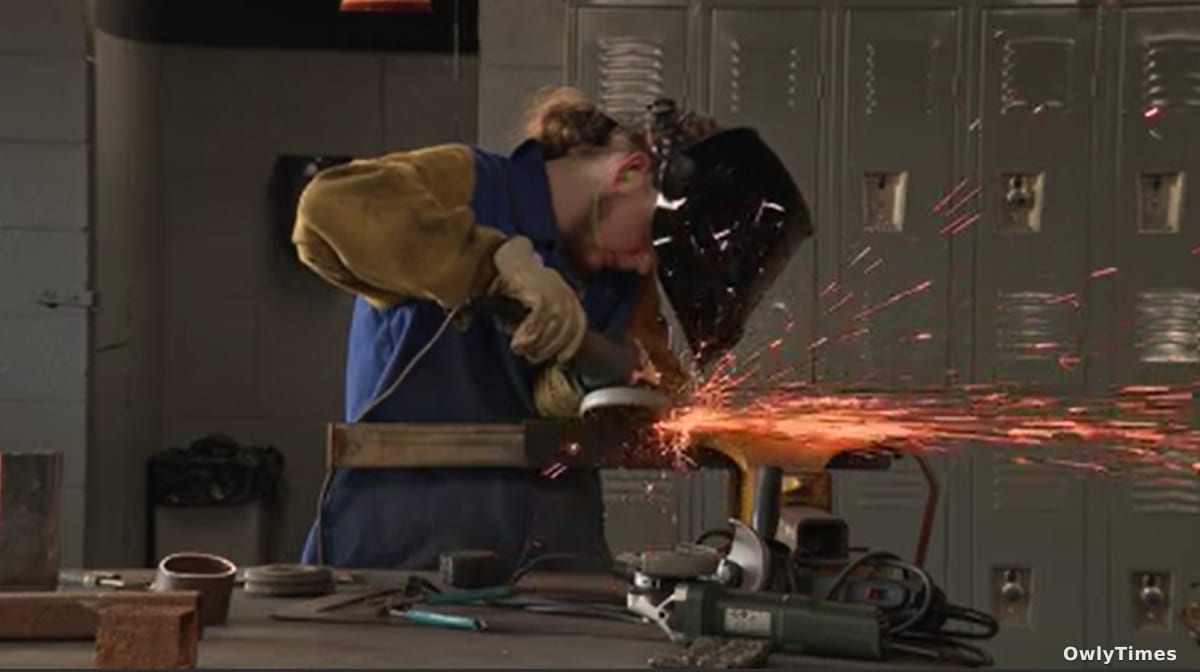
This isn’t just about shiny new tools, though a 3D printer is a nice perk, as reported by local news. The program focuses on three key career pathways – welding, mechatronics, and machine tool – and will provide students with industry-recognized certifications before they graduate high school. Jake Bowman, a junior currently enrolled in machinery courses, sums it up succinctly: “It will bring new certifications, where you can learn new things.” But the impact extends beyond individual students. With nearly 2,000 students enrolled in the DMTC programs, and 324 specifically in advanced manufacturing, this isn’t a niche initiative; it’s a systemic upgrade. Hal Garner, the machine tool technology instructor, believes this will change the conversation with parents, demonstrating the viability of well-paying, fulfilling careers in the trades without the burden of a four-year degree.
The tension here is palpable. For decades, the narrative has pushed everyone towards college, often regardless of aptitude or interest. Now, we’re facing a stark reality: a shortage of skilled workers is actively hindering economic growth. This program isn’t just about filling jobs; it’s about recalibrating expectations and dismantling the outdated notion that a four-year degree is the only path to success. The fact that instructors are already undergoing training in Tennessee – a necessary step given the limited resources available locally – underscores the urgency of the situation.
But here’s where things get interesting. This program is launching in Spartanburg, a region with a significant manufacturing base. What happens when other districts in South Carolina see the results – increased graduation rates, higher employment numbers, a revitalized local economy? Will they demand similar investment? My prediction: within the next three years, we’ll see a statewide scramble to replicate the SME Prime model, and the real battle will begin – not over securing funding, but over attracting qualified instructors. The demand for skilled trades educators is already high, and South Carolina will need to offer competitive salaries and benefits to lure them away from industry and into the classroom. The question isn’t if this model will spread, but how quickly – and whether the state can build a sustainable pipeline of educators to support it.