
The Unseen Costs of Budgetary “Solutions” in Contra Costa County
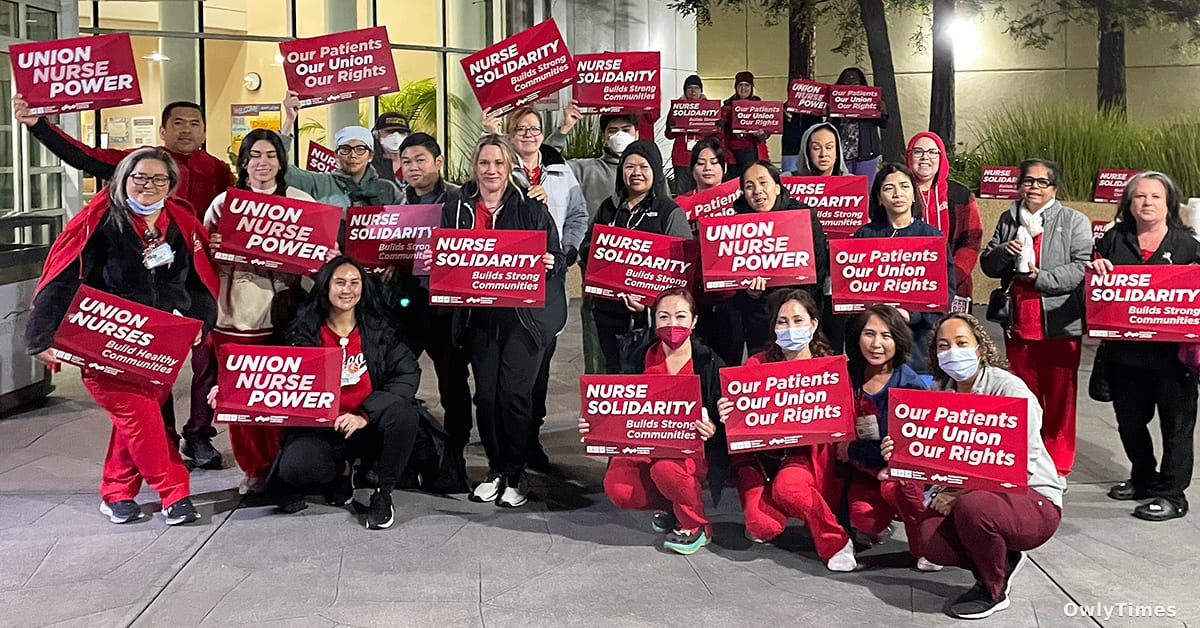
The impending picket line outside Contra Costa Regional Medical Center on February 19th isn’t simply a labor dispute; it’s a stark illustration of a fundamental tension in public health funding. While headlines focus on a $307 million deficit triggered by the passage of H.R. 1, the real story unfolding in Contra Costa County is about how budgetary pressures are forcing local officials to make choices that disproportionately impact the most vulnerable populations – and potentially create far greater costs down the line. The California Nurses Association (CNA), representing over 1,300 registered nurses within the Contra Costa Health system, is protesting the dismantling of the Enhanced Care Management (ECM) program, a move they argue will ultimately undermine the county’s healthcare infrastructure. This isn’t a case of nurses simply seeking better wages, but a warning about the erosion of preventative care in the face of fiscal constraints.
Source material: nationalnursesunited.org.
The ECM program, as described by Brenda Moore, a public health nurse within the program, was designed to provide specialized support to patients navigating complex medical and social challenges. This included individuals recently released from incarceration, those recovering from rehabilitation, people experiencing homelessness, and high-risk pregnant individuals. The program’s core function was proactive: nurses would meet patients after discharge, bridging the gap between hospital care and independent living to prevent complications and reduce reliance on emergency services. The county’s decision to eliminate the ECM program, alongside 46 nursing positions, represents a shift away from this preventative model. It’s a decision that, according to Vicky Davidson, another public health nurse, is “shortsighted” and will lead to “long-term costs both fiscally and to patient care.” The immediate savings, while substantial, are likely to be offset by increased emergency room visits and more severe health crises requiring more expensive interventions.
What’s often lost in discussions of budget deficits is the specific impact on those who rely on safety-net hospitals like Contra Costa Regional Medical Center. This facility serves a significant proportion of the county’s uninsured and underinsured residents. Eliminating the ECM program doesn’t affect patients with robust private insurance who can afford follow-up care; it directly harms those least equipped to navigate the healthcare system on their own. The CNA has been in contract negotiations with the county since July 2025, seeking improvements in patient care, safety, and infection control – issues that are now compounded by these proposed cuts. The nurses aren’t simply asking for more resources; they’re arguing that the current trajectory actively undermines the county’s stated mission “to care for and improve the health of all people in Contra Costa County with special attention to those who are most vulnerable to health problems.”
It’s crucial to understand that the CNA’s opposition isn’t solely focused on the loss of nursing positions. While the elimination of 46 roles is significant, the core concern is the dismantling of a program demonstrably designed to improve health outcomes for a specific, high-need population. The nurses are framing this as a public health issue, not just a labor issue, and are directly challenging the county Board of Supervisors to reconsider their decision. The argument isn’t that the federal budget is blameless – Moore explicitly states that “when the federal government approves a budget that abandons Contra Costa residents, it is on our county officials to find a way to preserve patient care” – but that local officials have a responsibility to mitigate the damage through creative solutions rather than service cuts.
Limitations to consider include the complexity of attributing direct cause-and-effect between program elimination and future health outcomes. While the nurses present a compelling argument about increased ER visits and preventable cases, demonstrating this link definitively will require longitudinal data collection after the ECM program is discontinued. Furthermore, the county may argue that other cost-saving measures are being implemented to offset the impact of the ECM program’s closure. However, the CNA’s perspective, grounded in direct patient care experience, provides a critical counterpoint to purely financial analyses. The next steps in this situation will be closely watched. Will the Board of Supervisors respond to the nurses’ concerns and explore alternative funding options? More importantly, will Contra Costa County serve as a case study for other communities facing similar budgetary pressures, demonstrating either the value of preventative care or the consequences of prioritizing short-term savings over long-term public health? Residents should monitor ER wait times and hospital capacity in the coming months, as these metrics may offer early indicators of the ECM program’s true impact.





