
Beyond Headlines: The TIME100 Health Dinner and the Fragile Infrastructure of Progress
The celebratory atmosphere at Thursday’s TIME100 Health Impact Dinner, gathering luminaries in global health, belies a more urgent message: innovation isn’t a series of isolated breakthroughs, but a painstakingly constructed chain reliant on sustained investment and a re-evaluation of how we approach both disease and aging. While headlines focused on personalized CRISPR therapies and altruistic organ donation – and rightly so, given the individual triumphs represented – the evening’s toasts underscored a critical truth often lost in the rush to announce “miracle cures”: progress in health is fundamentally a collective endeavor, and its future is far from guaranteed. The dinner wasn’t simply a showcase of achievement, but a subtle plea for the conditions that enable achievement.
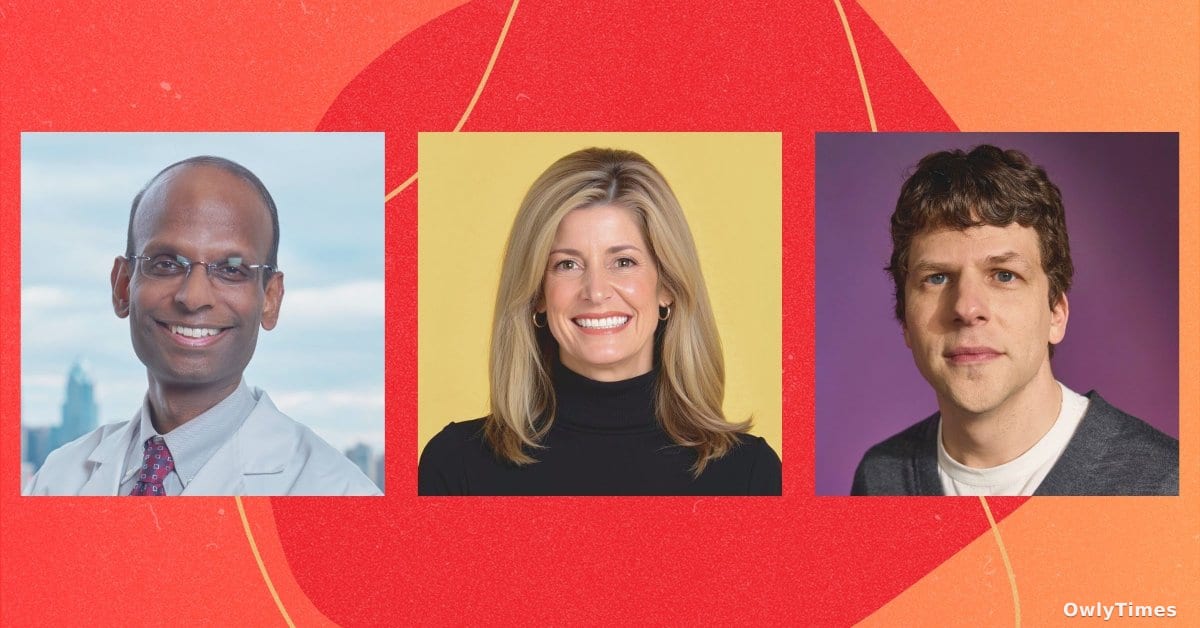
The most striking example came from Kiran Musunuru, director of the Genetic and Epigenetic Origins of Disease Program at the University of Pennsylvania Perelman School of Medicine, and Rebecca Ahrens-Nicklas, whose work with personalized CRISPR therapy transformed the life of a young patient, KJ, battling a devastating genetic disorder. The success, widely reported as a triumph of gene editing, was carefully framed by Musunuru not as a singular feat, but as the culmination of decades of foundational research. He explicitly linked KJ’s improved condition to landmark achievements like The Human Genome Project, advancements in whole-genome sequencing, and the development of crucial technologies like lipid nanoparticle formulations and RNA technology. This isn’t to diminish the skill and ingenuity of Musunuru and Ahrens-Nicklas’s team, but to contextualize their success within a larger ecosystem. As Musunuru stated, “We’re simply one link in a very long chain… and, of course, no part of that long chain could have been forged without strong support from the federal government” and, crucially, the National Institutes of Health. He further emphasized the vital role of the Food and Drug Administration, praising their ability to balance “rigor, flexibility, and speed” in navigating the regulatory process for this novel therapy. This acknowledgement is particularly pointed given ongoing political debates surrounding funding for scientific research and, at times, skepticism towards regulatory bodies.
Original reporting: time.com.
Beyond the mechanics of scientific advancement, the dinner also highlighted a shift in perspective regarding aging. Gerontologist Kerry Burnight introduced the concept of “joyspan” – a deliberate reframing of how we understand the later stages of life. This isn’t merely semantic; Burnight argues that the dominant narrative around aging is fueled by a fear-based, and ultimately lucrative, “anti-aging” industry that focuses on avoiding decline rather than maximizing well-being. She posited that celebrating the strengths and contributions of older individuals, rather than fixating on the pursuit of eternal youth, is essential to addressing the challenges facing an aging population. This is a subtle but powerful critique of a cultural obsession with youth and a call for a more holistic approach to geriatric care. The current market for anti-aging products and procedures is estimated at over $60 billion globally, a figure that dwarfs investment in preventative care and support services for existing seniors.
The final toast, delivered by actor and director Jesse Eisenberg, brought a different dimension to the conversation – the potential to dramatically impact public health through simple, altruistic acts. Eisenberg’s recent non-directed kidney donation, spurred by a podcast, underscored the surprisingly low barrier to entry for this life-saving procedure. With over 90,000 people currently awaiting kidney transplants, his experience suggests the primary obstacle isn’t convincing people to donate, but rather reaching those who are already inclined to do so. He directly appealed to the assembled “brilliant minds” to leverage their expertise in identifying and connecting with potential donors, framing it as a solvable logistical problem. This is a compelling point, given that studies show a significant percentage of the population expresses willingness to consider living organ donation, yet awareness of the process remains low.
What Happens When Funding Fluctuates?
The consistent thread running through these diverse presentations was a vulnerability to disruption. Musunuru’s emphasis on federal funding isn’t a plea for more money in the abstract; it’s a recognition that the “long chain” of scientific progress is easily broken by inconsistent support. NIH funding, while substantial, has experienced fluctuations in recent years, impacting long-term research projects and potentially hindering the development of future therapies. Similarly, Burnight’s call for a shift in perspective on aging requires a corresponding investment in geriatric care and social support systems, areas often overlooked in healthcare budgets. The success of altruistic organ donation, as highlighted by Eisenberg, depends on effective public awareness campaigns and streamlined logistical processes – both of which require dedicated resources.
Limitations to Consider
It’s important to acknowledge the inherent limitations of drawing broad conclusions from a gathering of highly accomplished individuals. The TIME100 Health Impact Dinner represents a specific segment of the healthcare landscape, and the perspectives shared may not fully reflect the challenges faced by those working in underserved communities or navigating complex healthcare systems. Furthermore, the focus on technological innovation, while exciting, risks overshadowing the importance of addressing systemic inequities in access to care. The personalized CRISPR therapy that saved KJ’s life, for example, remains inaccessible to most patients due to its high cost and complexity.
The Next Steps: Tracking the Ripple Effect
The true impact of the TIME100 Health Impact Dinner won’t be measured in headlines, but in the subsequent actions taken by those in positions of influence. Will policymakers heed Musunuru’s call for sustained research funding? Will healthcare providers adopt Burnight’s “joyspan” framework in their approach to geriatric care? And will public health organizations prioritize efforts to increase awareness of altruistic organ donation, as advocated by Eisenberg? Over the next year, it will be crucial to monitor federal funding allocations for the NIH and other research institutions, track the development of new geriatric care models, and assess the effectiveness of campaigns aimed at increasing organ donation rates. The dinner served as a powerful reminder that progress in health isn’t inevitable – it requires deliberate effort, sustained investment, and a willingness to challenge conventional wisdom. The question now is whether we will capitalize on this momentum and build a healthier future for all.