
$200 million in delayed property tax refunds – and a nine-page letter detailing accusations of “foul language” and “bullying” – reveal a systemic breakdown in Cook County’s decade-long technology overhaul. The escalating conflict between Maria Pappas, Cook County Treasurer, and Tyler Technologies, the firm contracted to modernize the county’s property tax system in 2015, isn’t simply a personality clash; it’s a financial pressure point exposing the high cost of failed public-private partnerships and the vulnerability of local governments reliant on vendor performance. Follow the money, and the story isn’t about Pappas’s reported outbursts, but about a $15 million upfront payment made to Tyler Technologies ten years ago that hasn’t yielded a functional system, and a growing liability for Cook County taxpayers.
The core issue is simple: Tyler Technologies’ system is preventing the county from issuing $200 million in overdue refunds to over 82,800 property owners. This isn’t a new problem. Delays in property tax bills – which went out months late most recently – already demonstrated the system’s instability. But the refund backlog represents a direct, quantifiable loss for residents, and a growing political risk for elected officials. To put this in perspective, $200 million represents roughly 1.3% of Cook County’s total 2024 budget of $15.6 billion. While seemingly small, this figure doesn’t account for potential penalties and interest accruing on the delayed refunds, or the administrative costs of resolving the ongoing issues.
Original reporting: CBS News.
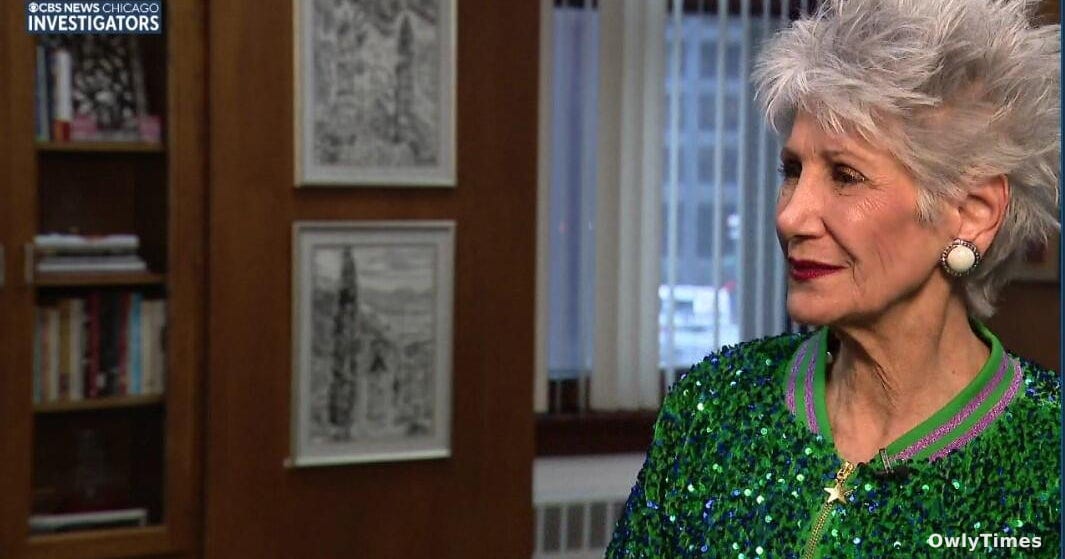
The letter from H. Lynn Moore Jr., Tyler Technologies President and CEO, to Pappas, Toni Preckwinkle, Cook County Board President, and the County Board, details a litany of alleged abusive behavior. Accusations range from explicit language directed at project managers – including claims Pappas stated a manager was “the biggest f***-up I’ve ever seen” – to racial slurs allegedly aimed at a female Tyler executive. Pappas, in turn, acknowledges a “hothead” temperament but denies the racist allegations, framing her forceful communication as a necessary tactic to “get their attention.” This narrative, however, sidesteps the fundamental question: why, after a decade and $15 million, is the system still failing to deliver? The focus on Pappas’s conduct, while serious, risks obscuring the core issue of vendor underperformance.
The timeline is critical. The contract with Tyler Technologies was signed in 2015, suggesting a projected completion date around 2017-2018 for a system overhaul of this magnitude. The fact that problems persisted into 2018 – the year Pappas claims she began voicing concerns – indicates early warning signs were ignored or inadequately addressed. The subsequent delays in tax bill distribution and now the refund backlog demonstrate a pattern of escalating failure. This isn’t an isolated incident; similar technology implementation failures in other municipalities have resulted in lawsuits and contract terminations, often costing taxpayers significantly more in the long run. The Cook County Board’s decision to refer the allegations to the Department of Ethics and Human Rights is a necessary step, but it doesn’t address the immediate financial and logistical crisis.
Toni Preckwinkle’s statement condemning Pappas’s alleged behavior, while upholding ethical standards, also highlights the political tightrope the Board is walking. They are simultaneously investigating potential misconduct by the Treasurer and relying on Tyler Technologies to fix a broken system. This creates a clear conflict of interest. The Board’s priority, as stated, is an “accurate and reliable” property tax system, but achieving that goal now hinges on navigating a deeply fractured relationship between the county and its vendor. Pappas’s own letter to Moore, imploring the Tyler board to address “myriad defects,” underscores the severity of the situation and her willingness to escalate the conflict.
What this means for your wallet: expect continued uncertainty regarding property tax refunds. While Pappas insists her staff will continue working with Tyler Technologies, the severed direct line of communication introduces further potential for delays and miscommunication. More importantly, watch for a potential increase in property tax rates to cover the escalating costs associated with fixing the flawed system – costs that ultimately fall on Cook County residents. The question now isn’t just if Tyler Technologies will deliver a functional system, but how much more it will cost taxpayers to get there.