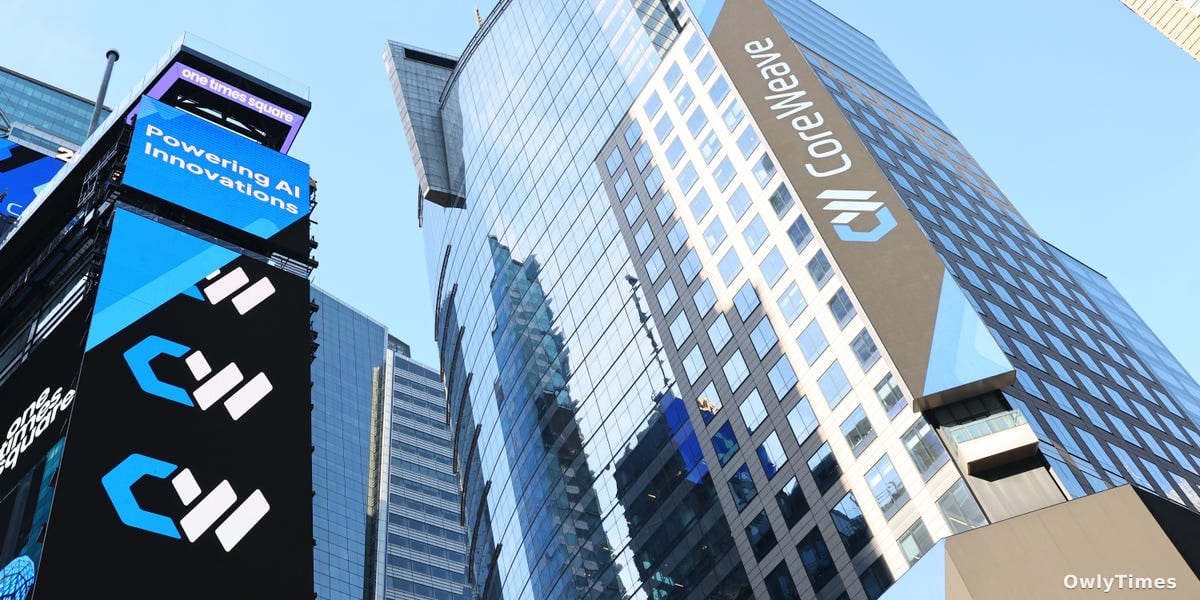

A 12% single-day drop doesn’t typically signal systemic risk, but for CoreWeave, a company positioned at the epicenter of the AI infrastructure boom, Friday’s plunge reveals a critical vulnerability: access to capital. The decline, triggered by reports that Blue Owl Capital failed to secure debt financing for a Pennsylvania data center slated for CoreWeave occupancy, isn’t simply a stock correction; it’s a market stress test revealing the limits of AI hype when confronted with fundamental financial realities. Follow the money, and a clear picture emerges – lenders are increasingly hesitant to fund expansion predicated on the continued, exponential growth of artificial intelligence, particularly when the borrower carries a substantial debt burden.
The Debt Ceiling on AI Ambition
The core issue isn’t CoreWeave’s association with Nvidia, a relationship frequently touted as a key strength. It’s the company’s credit rating. S&P Global Ratings assigns CoreWeave a B+ rating, several notches below investment grade – a designation that immediately raises the cost of borrowing and limits potential lenders. This isn’t a unique problem for CoreWeave; it’s a pattern. According to data from CreditSights, the average yield on B+ rated corporate bonds currently sits at 6.8%, compared to 4.2% for investment-grade bonds. This premium reflects a significantly higher perceived risk of default. The failed financing deal for the Pennsylvania data center, as reported by Business Insider’s Dan Geiger, underscores this point: lenders aren’t simply unwilling to participate, they’re actively avoiding further exposure to AI-focused companies with precarious balance sheets. The project’s failure to attract interest isn’t a commentary on the demand for AI compute power, but a stark assessment of CoreWeave’s financial standing.
Drawn from Business Insider.
A Failed Merger and a Short Seller’s Warning
This financing snag arrives on the heels of another setback: the collapse of CoreWeave’s proposed merger with Core Scientific in October. The deal’s derailment, spearheaded by Trip Miller of Gullane Capital, a significant Core Scientific shareholder, signaled internal doubts about the strategic rationale and financial viability of the combination. Miller’s opposition wasn’t a capricious act; it reflected a deeper concern about CoreWeave’s valuation and its ability to integrate another financially distressed entity. Simultaneously, the presence of prominent short-seller Jim Chanos actively betting against CoreWeave adds another layer of scrutiny. Chanos’s public criticisms, focusing on profitability and unsustainable business practices, aren’t merely contrarian opinions; they represent a calculated assessment of the company’s long-term prospects, influencing investor sentiment and potentially exacerbating the current downturn.
Blue Owl’s Troubles Amplify the Risk
The timing of this news is particularly damaging given the concurrent issues at Blue Owl Capital itself. Reports of Blue Owl halting redemptions on one of its private credit funds, aimed at retail investors, raise questions about the firm’s risk management and liquidity. While seemingly separate, the connection is crucial. Blue Owl’s difficulties highlight the broader fragility within the private credit market, the very source of funding CoreWeave relies upon. A slowdown in private credit availability, coupled with increased lender caution towards AI ventures, creates a perfect storm for companies like CoreWeave, heavily dependent on external financing for expansion. Year-to-date, CoreWeave stock is up roughly 19%, a figure that now appears increasingly reliant on momentum rather than underlying financial strength.
What This Means for Your Wallet
The CoreWeave situation isn’t just about one company’s stock price. It’s a warning sign about the broader AI investment landscape. The initial exuberance surrounding AI has begun to cool, and investors are demanding more than just promises of future growth. They want profitability, sustainable business models, and, crucially, access to affordable capital. For consumers, this means the anticipated cost reductions in AI-powered services may be delayed or even reversed if infrastructure providers face continued financing challenges. Watch closely for whether CoreWeave can restructure its debt or secure alternative funding sources in the coming months. If they cannot, the 12% drop on Friday could be a harbinger of more significant declines, and a broader reassessment of the AI infrastructure market. The key question now is: can CoreWeave demonstrate a clear path to profitability, or will it become another cautionary tale of AI hype outpacing financial reality?