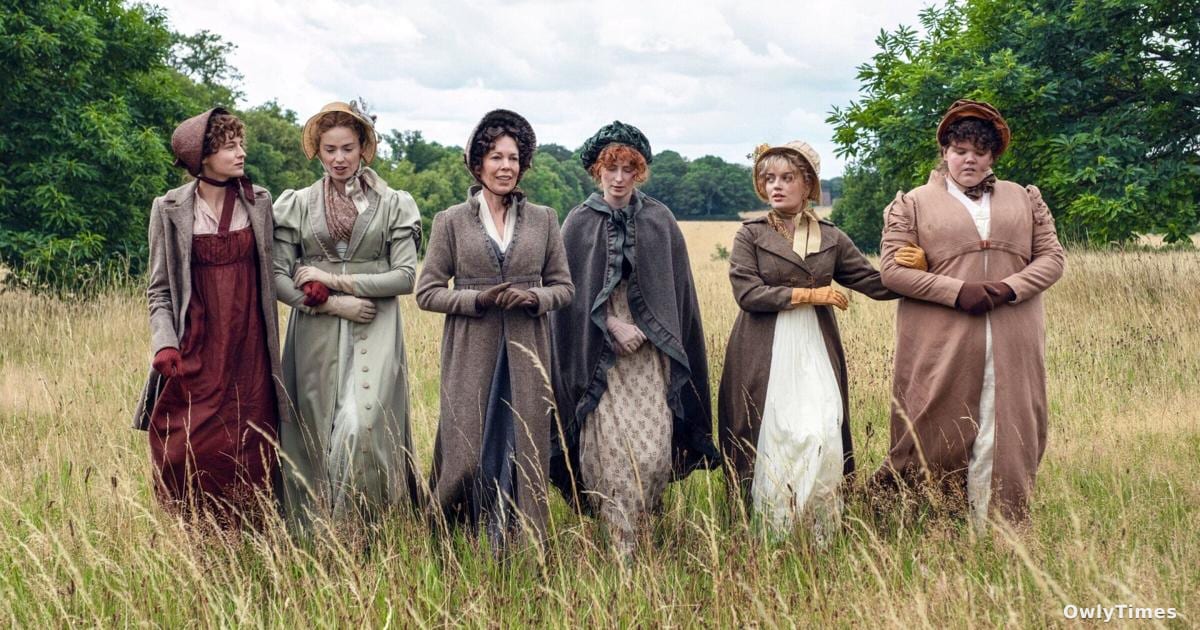

The first glimpse of Emma Corrin as Elizabeth Bennet didn’t arrive with a press release or a carefully curated trailer. It landed, instead, as a paparazzi shot – grainy, slightly out of focus, capturing Corrin in a simple muslin gown, walking a muddy field in what appeared to be a bonnet. It was a far cry from the opulent, sweeping landscapes and meticulously crafted ballrooms we’ve come to expect from Pride and Prejudice adaptations, and that’s precisely why it felt…significant. Because beyond the headlines of another period drama hitting Netflix this fall, this production signals a quiet rebellion against the genre’s established tropes, and a fascinating reflection of our current cultural obsession with “authenticity” – even in stories set two centuries ago.
The Regency Era, Reimagined for a TikTok Generation
For decades, Pride and Prejudice adaptations have operated under a certain unspoken contract: lavish estates, sparkling jewels, and a romanticized vision of the English countryside. Think Keira Knightley’s 2005 portrayal, visually stunning but undeniably polished, or the 1995 BBC miniseries with Colin Firth, which set a gold standard for brooding Mr. Darcys and sweeping orchestral scores. These versions leaned into the fantasy, the escapism. But the first images from this new series, adapted by Dolly Alderton and starring a cast that includes Jack Lowden as Mr. Darcy and Olivia Colman as Mrs. Bennet, suggest a different approach. The muddy fields, the simpler costumes designed by Charlotte Walter (known for her work on “Their Finest” and “Paddington in Peru”), hint at a grittier, more grounded reality. This isn’t about escaping to the Regency era; it’s about examining it, flaws and all. This shift isn’t accidental. Alderton, a prominent voice in contemporary British literature known for her honest and often vulnerable writing about modern relationships, brings a sensibility that prioritizes emotional truth over aesthetic perfection.
Based on the original yakimaherald.com report.
Beyond the Gowns: A Focus on Female Interiority
The choice of Alderton as the adapter is particularly telling. Her previous work, including the memoir “Everything I Know About Love,” has resonated deeply with a generation grappling with the complexities of modern womanhood. She’s skilled at dissecting the messy, often contradictory emotions that drive human behavior, and that’s precisely what Pride and Prejudice offers in abundance. Austen’s novel, often dismissed as a simple romance, is a sharp social commentary on the limited options available to women in the 19th century, and the economic pressures that shaped their lives. While previous adaptations have often focused on the romance between Elizabeth and Darcy, Alderton’s involvement suggests a deeper exploration of the Bennet sisters’ internal lives, their ambitions, and their frustrations. The costumes, too, reinforce this idea. Walter’s designs, described as “classic, elegant Regency-era garb,” aren’t about ostentatious display; they’re about practicality and social constraint. The “modestly filled-in necklines” and “ribboned bonnets” aren’t just aesthetic choices, they’re visual reminders of the societal expectations that confined women during that period.
Netflix and the Period Drama Paradox
Netflix’s investment in this adaptation also speaks to a larger trend: the streaming giant’s continued reliance on period dramas as prestige programming. Bridgerton, which debuted in 2020, became a global phenomenon, drawing in 82 million households in its first month, proving the enduring appeal of the genre. But Bridgerton succeeded precisely because it actively subverted expectations, injecting a modern sensibility and diverse casting into a traditionally conservative setting. This new Pride and Prejudice appears to be taking a different tack, aiming for a more historically grounded approach. This presents a paradox for Netflix: can a period drama that prioritizes realism and emotional depth compete with the escapist fantasy that has proven so successful? The platform’s algorithm thrives on spectacle, but Alderton’s reputation suggests a focus on character development and nuanced storytelling. The success of this series will hinge on whether Netflix can balance its desire for broad appeal with a willingness to embrace a more challenging, intellectually stimulating adaptation.
What This Means for the Future of Austen on Screen
The arrival of this Pride and Prejudice isn’t just about one adaptation; it’s about the evolving relationship between classic literature and contemporary audiences. We’ve entered an era where viewers demand authenticity, even in stories set in the past. They want to see the grit, the struggle, the complexities that lie beneath the surface of idealized narratives. This series, with its muddy fields and its focus on female interiority, seems poised to deliver exactly that. But the real question is whether this approach will resonate with a wider audience, or if viewers will ultimately prefer the escapist fantasy of more traditional adaptations. Will this signal a shift towards more realistic and nuanced period dramas, or will Netflix revert to its formula of spectacle and romance? The answer will likely determine the future of Austen on screen – and, more broadly, the way we engage with history itself.