
$158.3 Billion Tells the Story: Coworking’s Resurgence Across Louisiana
The hum of construction beneath the floorboards at 1538 Louisiana Avenue in New Orleans isn’t just about renovating a 1960s medical building; it’s a signal of a $158.3 billion national trend taking root across Louisiana. That figure – the total U.S. square footage dedicated to coworking spaces as of early 2026, a 36% increase from 115.6 million square feet just three years prior – demonstrates a clear market correction and renewed confidence in the shared workspace model. While the pandemic initially stalled the 20-year-old industry, a confluence of factors, from remote work adoption to corporate cost-cutting, is driving a significant rebound, and Louisiana entrepreneurs are positioning themselves to capitalize.
This piece references the NOLA.com report.
From Cautionary Tale to Calculated Risk
The coworking story is punctuated by the dramatic rise and fall of WeWork. In 2018, the company’s aggressive expansion – boasting more Manhattan real estate than any other entity – ultimately led to a 2019 IPO collapse and subsequent bankruptcy filing. This served as a stark lesson in overextension and unsustainable business models. However, the underlying demand for flexible workspace didn’t disappear. Instead, the market recalibrated, favoring operators who understood the evolving needs of a hybrid workforce and focused on profitability over hyper-growth. This shift is evident in the current wave of investment, which is more measured and diversified. Chris Reade’s $1.8 million purchase and renovation of the Louisiana Avenue property exemplifies this new approach – a calculated bet on local demand and a desire to create a community-focused workspace, The 1538.
Beyond the Bywater: Expansion Across the State
Reade isn’t alone. The expansion isn’t limited to New Orleans. Last week’s announcement of a second location for The Shop at the CAC downtown underscores the city’s growing appetite for these spaces. Simultaneously, independent operators are establishing a foothold in Baton Rouge and Lafayette, while global giant International Workplace Group (IWG) is actively expanding its presence with 15 locations now operating across Louisiana. In Baton Rouge, Matt Adler’s Studio Cowork opened last year, intentionally designed to foster collaboration and generate income from a previously underutilized space. Similarly, in Lafayette, Jaci Russo transformed her existing building into Downtown Workspace, turning a remodel expense into a profit center. This geographically dispersed growth suggests a broad-based demand, not simply a localized trend.
The Corporate Embrace and the Amenities Arms Race
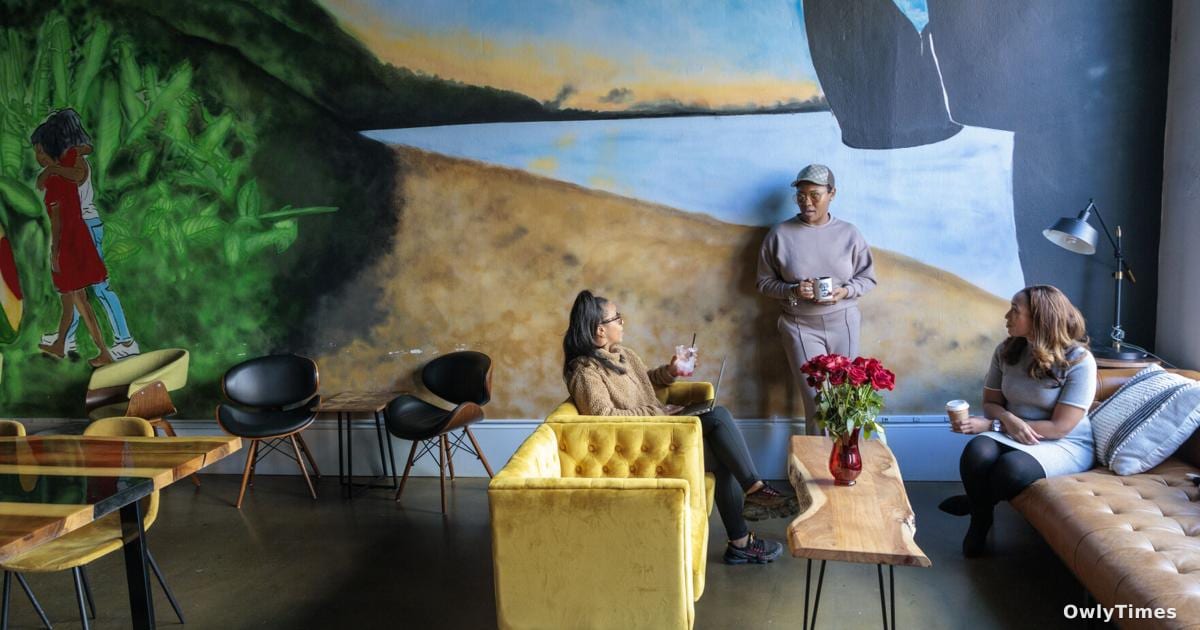
What’s driving this resurgence? The answer lies in a fundamental shift in how companies view office space. The rise of remote and hybrid work models has reduced the need for large, long-term leases. Simultaneously, corporations like Amazon and JPMorgan Chase are actively incorporating coworking spaces into their real estate strategies, recognizing their appeal to employees and their flexibility. This corporate interest is fueling demand and validating the model. But simply offering desks and Wi-Fi isn’t enough anymore. Operators are now competing on amenities – comfortable seating, stocked bars, ample parking (as Reade is banking on), and even on-site services like coffee shops, as demonstrated by Jade Brown-Russell’s launch of Kinfolk Coffee at Maroon in New Orleans. This “amenities arms race” is a direct response to the need to attract and retain members in a competitive market.
A New Understanding of Value and Community
The pandemic forced a reassessment of the value proposition of coworking. As Ann Olsen, director of coworking at The Shop, succinctly put it, “People thought we could all work from home…Then we started to understand all the points of creativity and sharing that you’re missing by working in your kitchen, and a new understanding of the value of coworking has emerged.” This isn’t just about escaping the home office; it’s about fostering community, facilitating collaboration, and providing a professional environment that supports productivity and innovation. The success of spaces like The Rigs at the Batture, developed by Ben + Burka and offering unique riverfront views, highlights the importance of creating distinctive experiences that cater to specific needs.
What this means for your wallet: The increased competition and diversified offerings in the Louisiana coworking market will likely translate to more options and potentially lower prices for individuals and small businesses. However, the premium amenities and desirable locations will command higher rates. The key question for consumers and investors alike is whether this growth is sustainable, and whether operators can maintain profitability while delivering the experiences that members now demand. Watch closely to see if the current expansion leads to oversupply in specific markets, and how operators respond to potential economic headwinds in the coming year.





