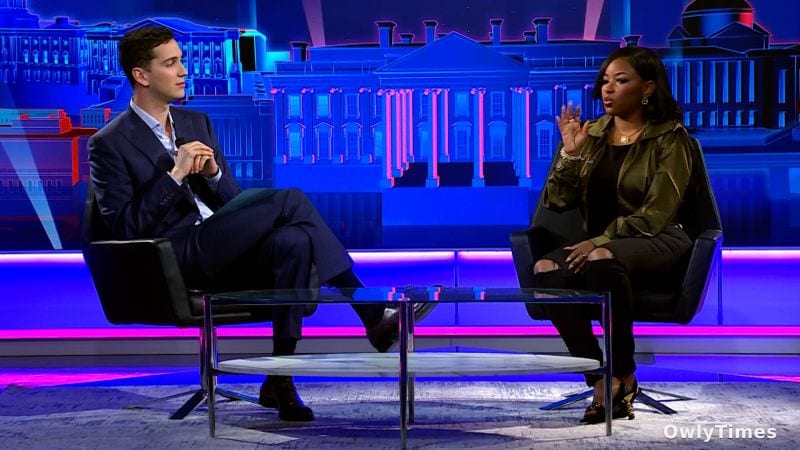

The strategic calculus behind the integration of political figures into comedy specials reveals a calculated shift in how institutional power maintains relevance in a fragmented media landscape. By participating in ‘America Laughs with Matt Friend: A CNN Political Comedy Special,’ US Representative Jasmine Crockett of Texas is not merely engaging in light entertainment; she is deploying humor as a tool for political branding. In an era where legislative gridlock often obscures individual impact, the use of "viral quips" serves as a high-velocity vehicle to bypass traditional media filters and reach younger, digitally native demographics who otherwise remain disengaged from the formal processes of the House.
The Calculus of Viral Political Branding
Who benefits from this alignment? The primary beneficiary is the politician, who gains a humanizing platform that transforms policy debates into shareable social currency. For the network, the benefit is equally transactional: leveraging a politician’s existing viral notoriety helps drive engagement for streaming content on the CNN app. The loser in this exchange is the traditional, dry delivery of policy analysis, which is increasingly sidelined in favor of the curated, punchy soundbite. This dynamic mirrors the historical shift seen during the 1960s, when presidential candidates first began utilizing late-night television appearances to soften their public personas and connect with voters beyond the confines of the debate stage.
Balancing Institutional Weight and Satirical Exposure
The tension inherent in this move is the potential erosion of the gravitas typically associated with a US Representative. When a lawmaker like Crockett leans into comedy, she risks trivializing the serious nature of her legislative portfolio, yet the alternative—obscurity in a crowded, noisy media cycle—is often viewed as a greater professional liability. The strategy relies on the assumption that a viral moment of wit can create a "halo effect," where the public’s positive reception of a comedic performance is retroactively applied to their perception of the official’s legislative effectiveness. However, this creates a contradiction: the more a politician prioritizes the "quip" to ensure viral reach, the more they become dependent on the fickle algorithms of social media rather than the substantive, slow-moving mechanisms of lawmaking.
Media Consolidation and the Comedy Pivot
The broader context of this shift is visible in the current media environment, where political specials compete for space alongside segments on everything from environmental degradation in the Arctic Ocean to geopolitical instability in the Strait of Hormuz. By placing political comedy in the same feed as reports on FBI Director Patel addressing conduct allegations or the abrupt resignation of the Navy Secretary, the network is flattening the hierarchy of news. The audience is invited to consume the serious and the satirical as part of the same content stream. This commodification of political personality suggests that the next major shift in Washington’s communication strategy will not be a return to formal press conferences, but an intensification of "personality-first" political engagement.
The next signal of whether this strategy holds long-term efficacy will be the performance metrics of the content itself. As the network tracks viewer retention across these varied segments, the data will dictate whether future political media packages lean further into the comedic format or revert to traditional interview styles. The upcoming engagement figures on the CNN app will indicate whether the audience is truly seeking a comedic bridge to politics or merely consuming the quips as fleeting digital distractions.





