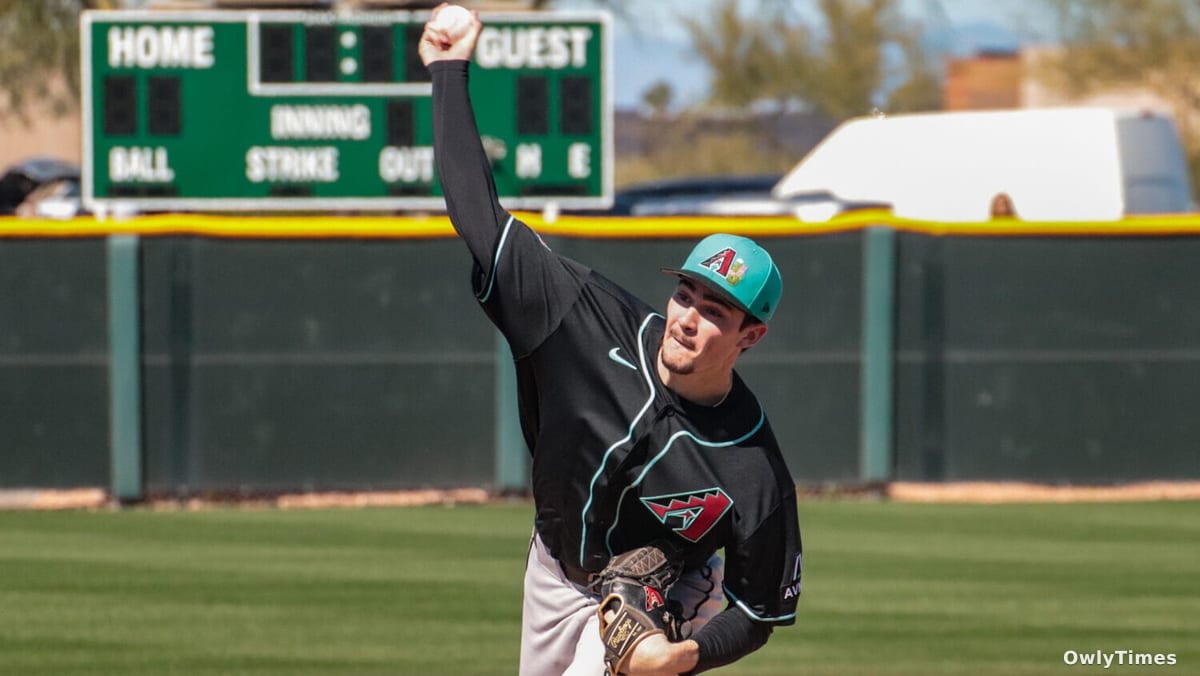

The crack of the bat echoed across Salt River Fields at Talking Stick on Sunday, but for eight Arizona Diamondbacks hopefuls, the sound signaled something else: a temporary shift from the spotlight. Daniel Eagen, Derek Law, Alfred Morillo, Landon Sims, Tommy Henry, Ben McLaughlin, Ivan Melendez, and Druw Jones were reassigned to minor league camp, a routine spring training move that, beneath the surface, reveals a fascinating tension between immediate roster needs and the long game of player development. It’s a familiar scene played out across all 30 MLB camps, but this year, the Diamondbacks’ decisions feel particularly loaded, reflecting a team attempting to balance a surprising 2023 playoff run with sustainable future success.
The Roster Crunch and the Weight of Expectations
The Diamondbacks now have 65 players remaining in major league camp, a number that will be drastically reduced to the final 26 by Opening Day. This isn’t simply about finding the “best” players; it’s about navigating a complex web of contracts, positional needs, and the delicate art of managing player morale. The reassignment of eight players isn’t a judgment on their talent, necessarily, but a cold calculation of where they fit – or don’t fit – right now. Consider Tommy Henry, a left-handed pitcher whose promising career is currently stalled by recovery from internal brace surgery. He’s expected to miss most of the season, a brutal blow for both the player and the team, and his reassignment is a practical necessity, freeing up a roster spot for a healthy arm. But it also underscores the inherent risk in baseball: a single injury can derail years of development.
See the original arizonasports.com story for the full account.
Beyond the Box Score: The World Baseball Classic Factor
The timing of these moves is also inextricably linked to the upcoming World Baseball Classic. Druw Jones, the highly touted outfielder acquired in a significant trade last year, is suiting up for The Netherlands. While reassigned, Jones isn’t being shelved; he’ll continue to get valuable game reps on an international stage. This is a smart move by the Diamondbacks, allowing Jones to hone his skills against professional competition while simultaneously representing his heritage. Jones, already recognized for his exceptional defense – earning Minor League Defensive Player of the Year and a Gold Glove last season – is showing encouraging signs at the plate this spring, slashing .333 with two doubles in 12 plate appearances. This isn’t just about developing a star; it’s about embracing the growing global appeal of baseball and the cultural pride the WBC fosters. In 2017, the WBC drew a combined 661,849 fans to games played in the United States, a 13% increase from 2013, demonstrating the event’s growing popularity.
The Rehabilitation Road: Law and Henry’s Journeys
The stories of Derek Law and Tommy Henry are particularly poignant. Law, sidelined by shoulder issues last season, is aiming for a mid-season return. His reassignment isn’t a setback, but a strategic step in his carefully managed rehabilitation. The Diamondbacks are clearly invested in his potential, but they need to see consistent progress before committing a roster spot. This highlights a growing trend in baseball: the increased emphasis on sports science and individualized recovery plans. Teams are no longer simply pushing players through pain; they’re prioritizing long-term health and maximizing performance through data-driven approaches. Henry’s situation, however, is far more challenging. Internal brace surgery is a significant procedure, and a prolonged absence could impact his trajectory. The Diamondbacks’ handling of his recovery will be closely watched, as it sets a precedent for how they manage other players facing similar setbacks.
What This Means for the Future of Roster Construction
These roster moves aren’t isolated incidents; they’re indicative of a broader shift in how MLB teams are constructed. The emphasis is increasingly on versatility, athleticism, and the ability to adapt. The Diamondbacks, coming off a surprising playoff appearance – their first since 2017 – are attempting to build a sustainable contender, not just a flash in the pan. They’re willing to give young players like Jones opportunities, even if it means navigating some growing pains. They’re also prioritizing player health and utilizing the minor league system as a crucial development pipeline. The question now is whether they can successfully balance these competing priorities. Will they be able to identify and nurture the next generation of Diamondbacks stars while remaining competitive in the present? And, crucially, will they be able to avoid the pitfalls of over-reliance on analytics and maintain the human element that makes baseball so compelling? The next few weeks, as the roster takes shape and the World Baseball Classic unfolds, will offer a crucial glimpse into the future of the Arizona Diamondbacks – and perhaps, a broader reflection of the evolving landscape of Major League Baseball.

