
Beyond the Clinic: Why The Dallas Morning News is Taking the Health Conversation Public
For decades, the dominant model of health communication has flowed from institutions to individuals – directives from doctors, public health campaigns, and news reports detailing research findings. But what happens when that flow reverses, when the newsroom itself becomes a space for reciprocal dialogue? That’s the question at the heart of an innovative initiative by The Dallas Morning News, which will host a pop-up newsroom and a series of public events at The DEC Network in RedBird starting March 9th. This isn’t simply about reporters “getting out there”; it’s a deliberate attempt to reshape the relationship between health journalism and the communities it serves, acknowledging that wellbeing extends far beyond the walls of a hospital.
Original reporting: dallasnews.com.
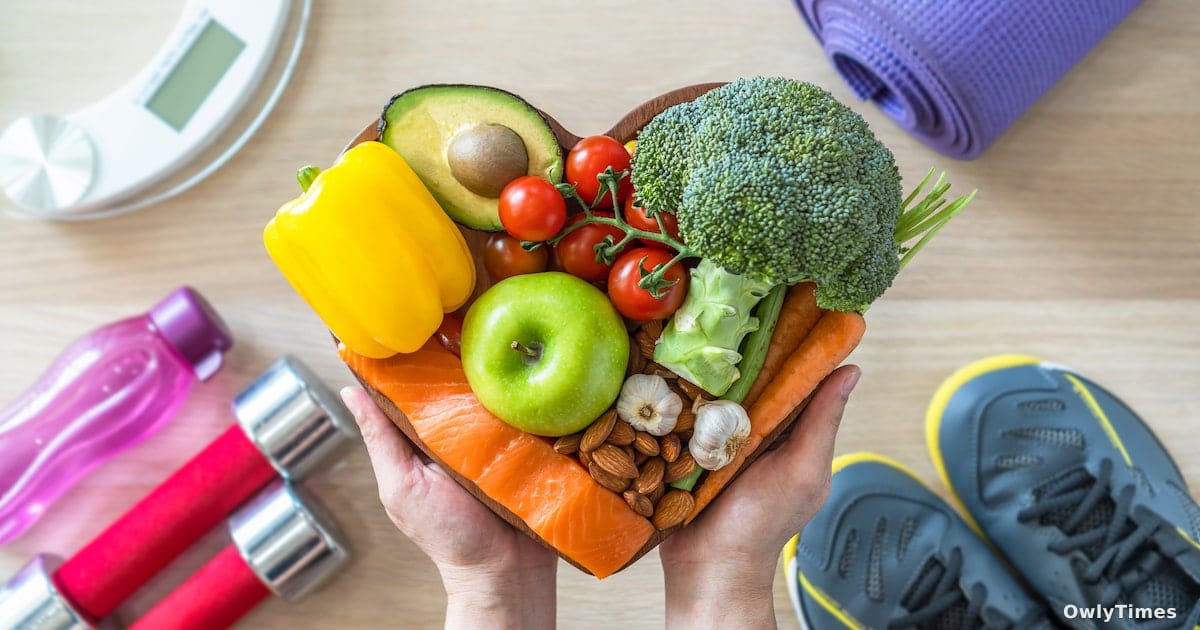
The core of this effort is a free panel discussion, “Food as Medicine: Nourishing Health from the Inside Out,” scheduled for March 10th at 6 p.m. Moderated by health reporter Emily Brindley, the event will feature leaders from prominent North Texas health systems – Children’s Health, Parkland Health, Methodist Health System, and UT Southwestern – and will center on the often-overlooked determinants of health: diet, environment, and stress. While seemingly straightforward, this focus represents a subtle but significant shift in framing. Headlines often trumpet medical breakthroughs or disease outbreaks, but less attention is paid to the foundational elements that either prevent illness or exacerbate it. The panel’s emphasis on “nourishment” rather than restrictive dieting, as Brindley explicitly states, signals a move away from individual blame and towards a more holistic understanding of health challenges.
This approach is particularly timely given the increasing prevalence of medications like GLP-1s, originally developed for diabetes but now widely used for weight loss. These drugs fundamentally alter appetite and dietary needs, creating a new set of considerations for maintaining health. Brindley acknowledges this, noting the panel will offer “general outlines of how to stay healthy when your medication has changed your appetite and diet.” This isn’t a dismissal of pharmaceutical interventions, but a recognition that medical solutions operate within a broader context of lifestyle and individual needs. It’s a nuanced position, avoiding both the pitfalls of promoting unrealistic dietary standards and the potential for overlooking the significant impact of these medications on individuals’ relationships with food.
However, it’s crucial to consider the limitations of this approach. A three-day pop-up newsroom and a single panel, while valuable, represent a limited intervention. The communities most impacted by health disparities – those facing food insecurity, limited access to healthcare, or systemic discrimination – may face barriers to participation, such as transportation, childcare, or work schedules. The event’s success will depend not only on the quality of the discussion but also on its accessibility and inclusivity. Furthermore, the very act of framing health as “food as medicine” risks inadvertently minimizing the role of systemic factors – poverty, housing instability, environmental hazards – that profoundly influence health outcomes. A focus on individual dietary choices, however well-intentioned, cannot fully address these larger structural issues.
The initiative by The Dallas Morning News is a promising experiment in public-facing journalism. It’s a recognition that simply reporting on health is insufficient; fostering genuine dialogue and building trust within the community are equally vital. The next crucial step will be to evaluate the impact of this pop-up newsroom – not just in terms of attendance numbers, but in terms of the quality of conversations, the insights gained from community members, and the extent to which this engagement informs future reporting. Specifically, readers should watch for whether the newsroom’s coverage of health issues shifts in the coming months to reflect the perspectives and priorities voiced during these public events. Will we see more reporting on food access initiatives, community gardens, or the social determinants of health? The answer to that question will reveal whether this pop-up newsroom is a fleeting experiment or a genuine turning point in how health is understood and communicated in North Texas.





