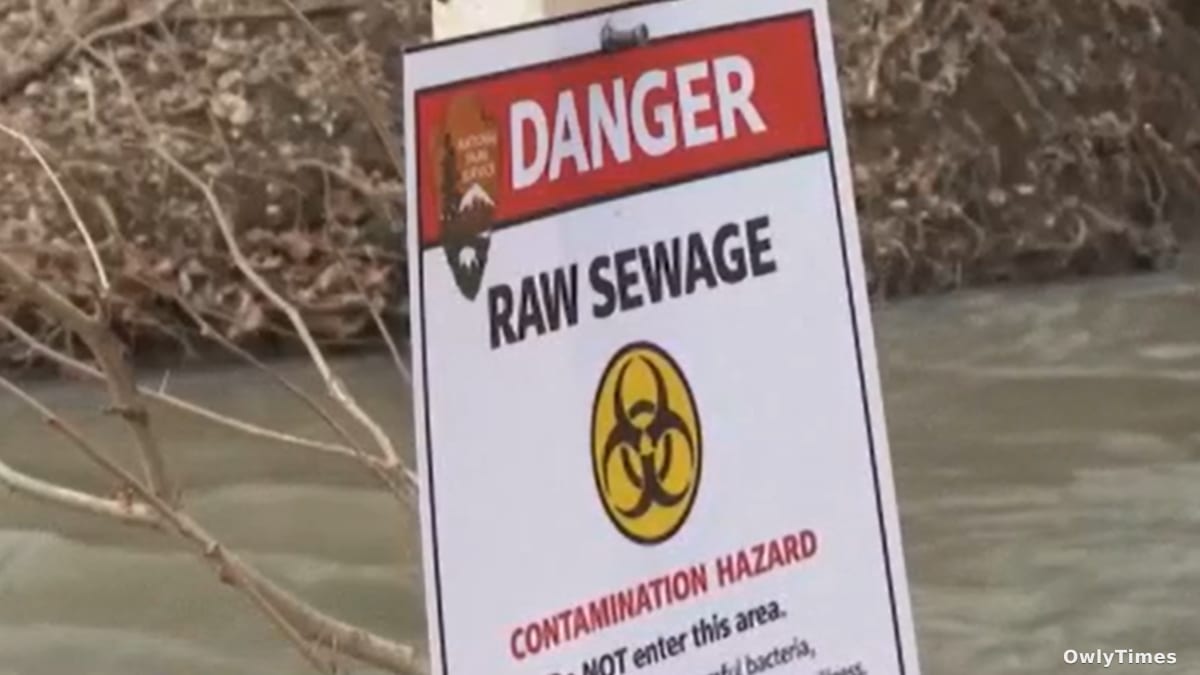

The question of when a river is truly “safe” after a major sewage event isn’t simply answered by a declining E. coli count. It’s a question of risk tolerance, economic impact, and, crucially, public trust. As the District of Columbia prepares to lift its advisory against recreational use of the Potomac River – a decision slated for Monday, February 27th – the shift from weekly to daily E. coli testing, announced by D.C. Department of Health Director Dr. Ayanna Bennett, feels less like a definitive “all clear” and more like a carefully calibrated step toward rebuilding that trust. The move, undertaken with support from the Environmental Protection Agency, acknowledges the lingering anxieties surrounding the January 16th collapse of the Potomac Interceptor, which released millions of gallons of untreated sewage into the waterway. While headlines proclaim a return to normalcy, the reality is a more nuanced assessment of ongoing risk and economic fallout.
The interceptor collapse, occurring in the Cabin John area, exposed a pre-existing vulnerability that residents say was known for years. As one Bethesda resident pointedly stated at a public meeting on Thursday, “You knew years ago that parts of this Potomac Interceptor were corroded and vulnerable, especially where it broke… Who’s accounting for all of our losses?” This isn’t simply about inconvenience; it’s about livelihoods. Dean Naujoks of the Potomac Riverkeepers highlighted the immediate economic impact, noting that the upcoming blue catfish season – a fishery yielding an astonishing three million tons annually – is threatened. “That season starts next week, and they’re not gonna be able to bring those blue cats to market,” he explained, illustrating a direct financial consequence for those dependent on the river’s resources. The increased testing frequency isn’t directly addressing these economic losses, but it is responding to the public’s demand for greater transparency and vigilance.
This piece references the fox5dc.com report.
It’s important to understand what the increased testing actually means. The shift from weekly to daily monitoring isn’t necessarily indicating a spike in contamination; rather, it reflects a desire to establish a more comprehensive baseline understanding of the river’s long-term health. As Dr. Bennett stated, “We feel really secure that the initial sewage is not a threat to people, it’s passed through some time ago, but we do want to get more information about what the long term condition of the river is gonna be and how we should look at it going forward.” This is a crucial distinction. Initial tests focused on identifying and mitigating the immediate threat of acute E. coli exposure. The ongoing daily testing aims to characterize the more subtle, persistent effects of the sewage release – the potential for lingering bacterial presence, the impact on sediment quality, and the overall ecological health of the river.
However, the District’s advisory only applies to its portion of the Potomac. This creates a fragmented safety landscape, as Maryland and Virginia maintain their own independent monitoring and advisory systems. While the D.C. decision is being widely interpreted as a positive sign, it doesn’t guarantee similar conditions – or lifted advisories – upstream or downstream. This jurisdictional disconnect underscores a broader challenge in managing shared waterways and highlights the need for coordinated regional monitoring efforts. Furthermore, the focus on E. coli, while important, represents only one facet of water quality assessment. The sewage release undoubtedly introduced a complex cocktail of pollutants, including pharmaceuticals, microplastics, and other contaminants, which are not routinely monitored by current testing protocols.
Limitations to consider include the inherent variability of river ecosystems. Daily testing provides a snapshot in time, but doesn’t account for fluctuations caused by rainfall, tidal changes, or other environmental factors. A single day of low E. coli counts doesn’t negate the possibility of localized contamination events. Moreover, the economic impact assessment remains incomplete. While the loss to the blue catfish fishery is quantifiable, the broader effects on tourism, property values, and public perception are more difficult to measure. The long-term consequences for the Potomac’s ecosystem – the impact on fish populations, benthic invertebrates, and overall biodiversity – are also largely unknown. The next crucial research steps involve expanding the scope of water quality monitoring to include a wider range of pollutants, conducting long-term ecological studies to assess the river’s recovery, and developing a more integrated regional approach to waterway management. Will the daily E. coli testing be expanded to include other indicators of pollution, and will the data be shared transparently with neighboring jurisdictions? That’s the question residents and stakeholders should be watching for in the coming months.