
The Calculated Disruption: Trump’s State of the Union as a Pressure Test for 2026
The coordinated disruptions during President Trump’s 2026 State of the Union address weren’t spontaneous outbursts, but a strategically calibrated response to a perceived escalation in rhetoric and policy. While the spectacle of walkouts, shouted objections, and visible displays of protest dominated headlines, the underlying calculus was about drawing a stark contrast – and forcing a reaction – ahead of a pivotal midterm election year. The Democratic strategy wasn’t to win the night’s narrative, but to define the terms of the coming debate, betting that visible outrage will galvanize their base and appeal to independent voters increasingly concerned about the direction of the country.
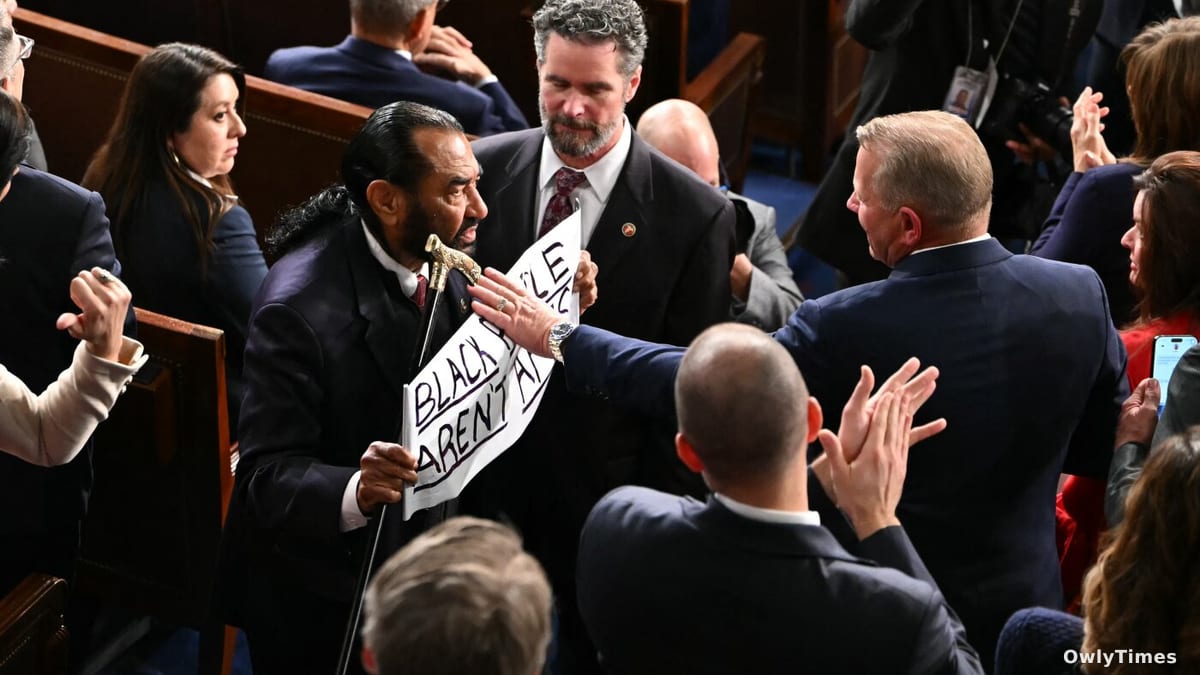
The immediate trigger for the heightened tension was President Trump’s recent sharing of a racist video depicting Barack Obama and Michelle Obama as apes. This wasn’t an isolated incident, but a continuation of a pattern of inflammatory rhetoric that Democrats believe deliberately courts controversy and normalizes extremist views. Representative Al Green’s protest – holding a sign reading “Black people aren’t apes” and subsequent removal from the chamber – was a direct response, designed to force the issue into the open and deny the administration the ability to frame the narrative. The fact that Green was removed from the chamber last year for a similar protest underscores a pattern of escalating confrontation, and a willingness from Democrats to accept the consequences of direct action.
Source material: NPR.
The broader context is a deeply pessimistic national mood. The latest NPR/PBS News/Marist poll reveals that 57% of Americans believe the state of the union is “not strong,” a figure that jumps to 80% among Democrats and two-thirds of independents. Critically, 60% believe the country is worse off than a year ago, with similar levels of pessimism expressed by independents and nearly unanimous disapproval from Democrats. This pre-existing discontent provides fertile ground for the Democratic strategy of highlighting perceived failures and moral failings of the Trump administration. House Minority Leader Hakeem Jeffries’ call for “silent defiance” or outright boycott wasn’t about avoiding confrontation, but about maximizing the impact of those who did choose to protest.
The protests extended beyond symbolic gestures. Representative Norma Torres’ display of photos of Renee Good and Alex Pretti, U.S. citizens killed by immigration enforcement officers, directly challenged President Trump’s narrative on border security and immigration. Representative Ilhan Omar’s shouted accusation – “you have killed Americans” – during a discussion of immigration enforcement was a deliberate attempt to disrupt the President’s talking points and personalize the consequences of his policies. These actions weren’t random; they were targeted interventions designed to expose what Democrats see as the human cost of the administration’s agenda. The parallel to historical precedents is clear: think of the civil rights era protests that deliberately disrupted the status quo to force a national reckoning.
However, the Democratic strategy isn’t without risk. President Trump consistently framed the protests as evidence of “crazy” and destructive behavior, accusing Democrats of “destroying our country.” This appeals directly to his base and reinforces a narrative of victimhood and political persecution. Furthermore, the Democrats’ focus on issues like the Jeffrey Epstein case – inviting survivors and wearing “Release The Files” pins – while strategically aimed at highlighting perceived hypocrisy, risks appearing as a distraction from core economic concerns. The fact that even some Republicans are pressing for more transparency on the Epstein matter suggests a potential vulnerability for the administration, but also a risk of the issue becoming a bipartisan quagmire.
The immediate political outcome is unclear. The State of the Union address itself likely did little to sway opinions, but the ensuing fallout – the media coverage, the social media debates, the fundraising appeals – will shape the narrative in the weeks to come. The key chess move to watch next isn’t a policy announcement, but how Democrats leverage the outrage generated by the address to frame the midterm elections. Will they successfully translate anger into votes, or will President Trump effectively weaponize the protests to rally his base and portray Democrats as radical obstructionists? The answer will hinge on whether they can maintain a consistent and compelling message that resonates with a broader electorate beyond their core supporters.





