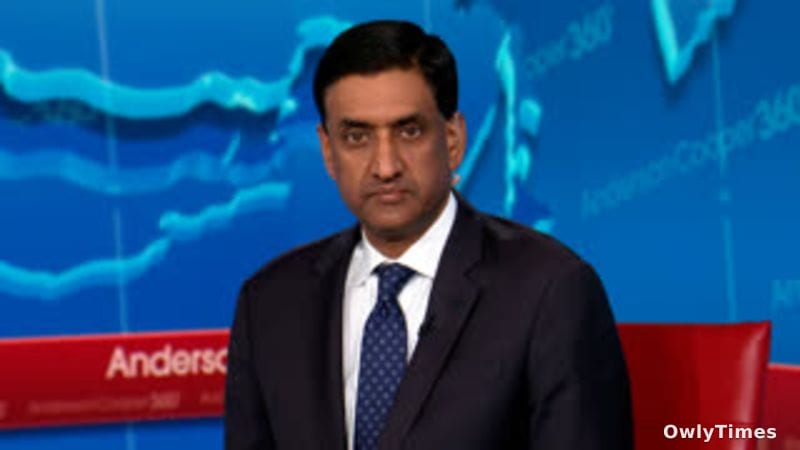

The demand from Ro Khanna for Donald Trump to testify under oath in the Epstein investigation isn’t simply about seeking equal treatment; it’s a calculated move to exploit a vulnerability in the former President’s political armor – a perceived aversion to formal, legally-binding scrutiny. While the immediate trigger is Bill Clinton’s recent deposition before the House, the strategic intent extends far beyond reciprocity. Khanna’s statement, delivered on CNN’s AC360°, is a pressure tactic designed to force Trump into a position where any deviation from established fact could be legally actionable, and to simultaneously frame him as obstructing justice if he refuses.
The core of this strategy rests on a simple, yet potent, “who benefits and who loses” calculation. Democrats benefit from keeping the Epstein case in the public eye, particularly as it relates to prominent figures. The narrative of elite impunity, already a powerful force in American politics, is amplified by any association with past or present power brokers. Donald Trump loses control of the narrative if compelled to testify. His preferred method of communication – rallies, social media, and carefully curated interviews – allows him to dictate the terms of engagement. A deposition strips him of that control, subjecting him to cross-examination and the potential for damaging revelations. The risk isn’t necessarily that Trump committed a crime related to Epstein, but that his past statements and associations will be rigorously challenged under oath.
This article draws on reporting from CNN.
This tactic isn’t novel. Throughout American history, calls for testimony under oath have been deployed as political weapons. The Army-McCarthy hearings of 1954 provide a stark example. While ostensibly focused on communist infiltration of the government, Senator Joseph McCarthy’s downfall stemmed from his aggressive, unsubstantiated accusations and his refusal to subject his claims to the scrutiny of a formal hearing. The televised hearings, a relatively new medium at the time, allowed the public to witness McCarthy’s bullying tactics and lack of evidence, ultimately leading to his censure. Similarly, the Iran-Contra affair in the 1980s saw numerous officials compelled to testify, revealing a clandestine operation and damaging the Reagan administration. In both cases, the demand for sworn testimony wasn’t solely about uncovering facts; it was about exposing vulnerabilities and eroding public trust.
The current situation differs in a crucial respect: the highly polarized political climate. Unlike the relatively bipartisan outrage that ultimately turned against McCarthy, any attempt to legally compel Trump’s testimony will likely be framed by his supporters as a politically motivated “witch hunt.” This pre-emptive narrative is already taking shape, with allies of the former President dismissing Khanna’s call as a desperate attempt to distract from other issues. However, this anticipated response doesn’t negate the strategic value of the demand. Even if Trump successfully avoids testifying, the pressure campaign forces him to expend political capital defending himself and keeps the Epstein story alive. The constant need to address the issue diverts attention from his current campaign messaging and reinforces negative perceptions.
Looking ahead, the key political chess move to watch isn’t whether Trump will testify, but how the House Republicans will respond to the pressure. Will they join Democrats in calling for his testimony, potentially signaling a willingness to prioritize accountability over party loyalty? Or will they actively obstruct any attempt to compel him, further solidifying the perception of a two-tiered justice system? The answer to that question will reveal the true extent of Trump’s continued influence within the Republican party and will foreshadow the dynamics of the upcoming election cycle. The unfolding situation isn’t about the past; it’s about shaping the future political landscape.





