
The strategic calculation behind the mass Democratic boycott of President Trump’s State of the Union address isn’t simply about disagreement with policy – it’s a deliberate fracturing of the traditional symbolic space of presidential address, a calculated attempt to deny Trump a legitimizing platform and redirect the narrative. While ostensibly a protest against the President’s policies and rhetoric, the decision to hold a counter-event, the “People’s State of the Union,” reveals a deeper understanding of political communication: attention is a zero-sum game. By actively competing for viewership and media coverage, Democrats are attempting to redefine what constitutes a legitimate national address, and who gets to define the “state of the union.”
A Deliberate Disruption of Presidential Ritual
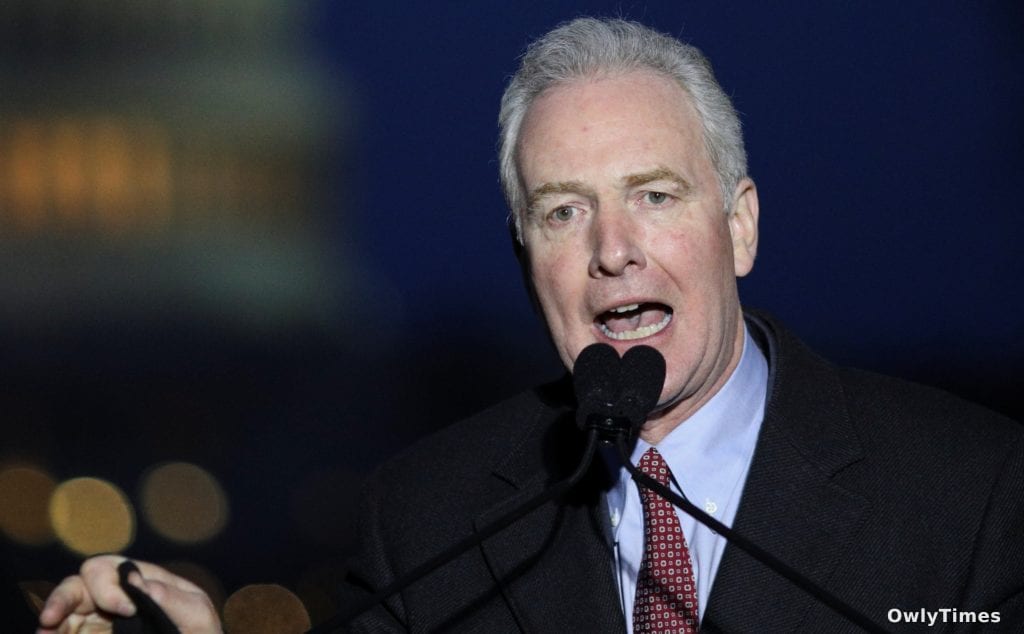
The decision by over two dozen Democratic lawmakers, including Maryland Senator Chris Van Hollen, to forgo the traditional State of the Union address in favor of a rally hosted by groups like MeidasTouch and MoveOn.org isn’t unprecedented, but the scale is notable. Historically, skipping a State of the Union has been a tactic employed by individual members to signal strong dissent – a symbolic gesture of protest. However, this coordinated walkout, coupled with a competing event scheduled to begin at 8 p.m. EST, elevates the act to a collective statement of rejection. This isn’t merely not being present; it’s actively creating an alternative space for political discourse. The choice of the National Mall as the location for the “People’s State of the Union” is significant, deliberately echoing the historical sites of protest and civic engagement.
See the original PBS story for the full account.
Who Benefits and Who Loses in This Political Theater?
President Trump demonstrably loses the visual of a unified Congress listening respectfully to his address, a powerful symbol of national unity even in times of political division. The absence of prominent Democrats allows the President to frame the event as a partisan spectacle, reinforcing his narrative of a hostile opposition. However, the Democrats believe the cost of appearing unified with the President outweighs the risk of appearing divisive. They are betting that showcasing the stories of “federal workers, immigrants and others affected by Trump’s policies,” as the press release states, will resonate more powerfully with their base and potentially sway undecided voters. Governor Spanberger’s delivery of the Democratic response further underscores this strategy – a direct counter-programming effort designed to control the post-speech narrative. The progressive groups hosting the rally, MeidasTouch and MoveOn.org, stand to gain increased visibility and fundraising opportunities, solidifying their position as key players in the anti-Trump resistance.
Historical Echoes of Protest and Boycott
The tactic of boycotting presidential addresses or events has historical precedent, though rarely on this scale. During the height of the Vietnam War, members of Congress routinely protested the Johnson and Nixon administrations through symbolic acts of dissent, including refusing invitations to White House events. More recently, during the Obama years, some Republican lawmakers boycotted events they deemed politically motivated or wasteful. However, the key difference here is the proactive creation of a competing event, a direct challenge to the President’s claim to represent the entire nation. This echoes the tactics employed by the British suffragettes in the early 20th century, who deliberately disrupted political events to draw attention to their cause and challenge the established order. The suffragettes understood that visibility, even negative visibility, was crucial for advancing their agenda.
The Limits of Symbolic Protest and the Risk of Entrenchment
While the Democratic boycott is a strategically calculated move, its long-term effectiveness remains uncertain. Symbolic protests, while valuable for mobilizing the base and attracting media attention, rarely translate directly into policy changes. The risk is that this tactic further entrenches partisan divisions, making compromise and collaboration even more difficult. The focus on disruption, while understandable given the deep ideological divide, could be perceived as obstructionist by moderate voters. Moreover, the reliance on groups like MeidasTouch and MoveOn.org – while effective at mobilizing progressive activists – could reinforce the perception that the Democratic Party is beholden to its most liberal wing. The correction regarding Senator Van Hollen’s initial misidentification as a congressman highlights the potential for errors and missteps in a rapidly unfolding political environment, underscoring the need for meticulous attention to detail.
The political chess move to watch next isn’t the immediate fallout from the State of the Union, but rather how Democrats leverage the momentum – or lack thereof – from this protest. Will they use the platform provided by the “People’s State of the Union” to articulate a coherent alternative vision for the country? Or will it be dismissed as simply another act of partisan resistance? The crucial question is whether Democrats can translate this symbolic disruption into tangible policy gains in the coming months, particularly as the 2024 election cycle heats up.





