
$345,000 Salary & A Fight Over Silence: The Financial Implications of the Kuhn v. Stern Lawsuit
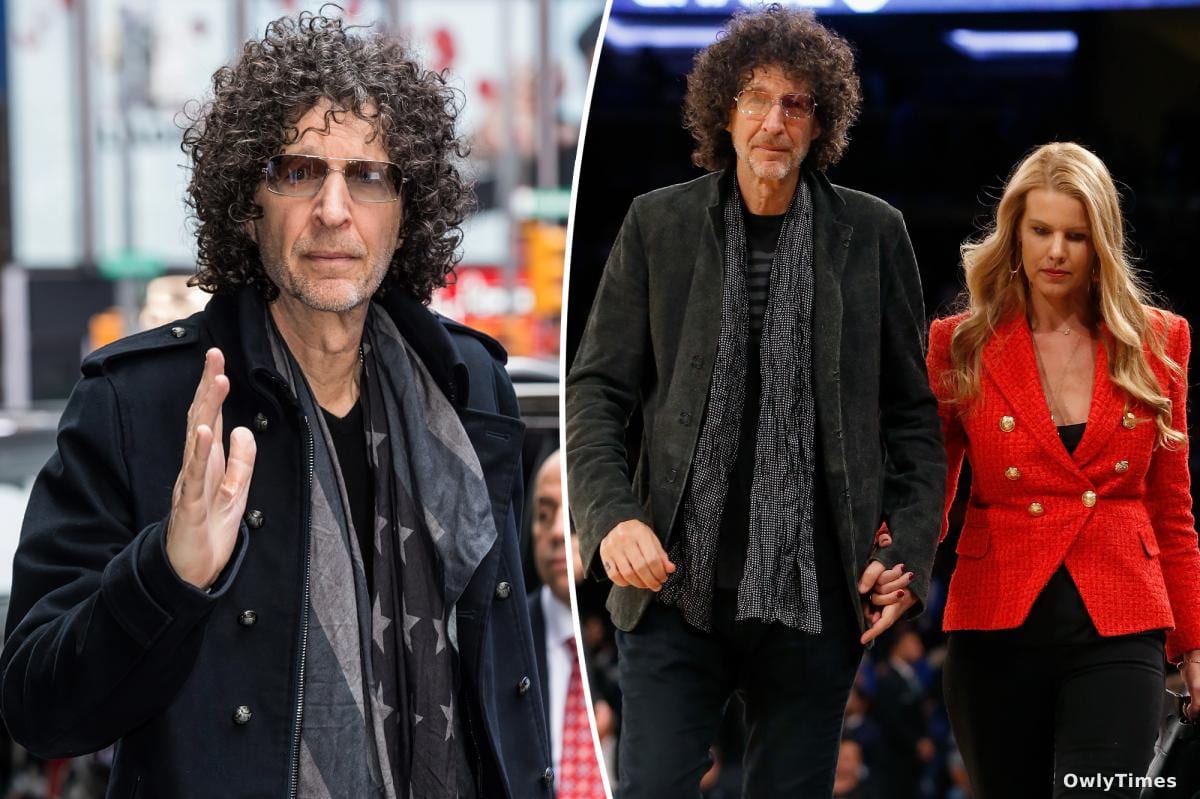
A lawsuit filed by former executive assistant Leslie Kuhn against media personality Howard Stern and his wife, Beth Stern, reveals a financial and operational picture that extends beyond a simple workplace dispute. The core of the case – allegations of a hostile work environment coupled with a contested non-disclosure agreement (NDA) – centers around a promised compensation package totaling $345,000 ($265,000 salary + $80,000 bonus) and raises critical questions about power dynamics and financial leverage in high-net-worth households. Follow the money, and a pattern emerges: a deliberate attempt to control narrative through legal agreements, potentially at the expense of employee rights.
The Cost of “Questionable Business Operations”
The lawsuit details not only a stressful work environment stemming from the Sterns’ extensive animal rescue operation, but also accusations of “massively disorganized” and “questionable business operations and accounting practices.” While the specifics of these practices remain undisclosed pending legal proceedings, the implications are significant. For a public figure like Howard Stern, whose brand is built on transparency and unfiltered commentary, even the perception of financial irregularities can erode trust and impact revenue streams. Stern’s SiriusXM contract, reportedly worth $80 million annually as of 2020, is predicated on maintaining a positive public image. Any scandal, even one framed as a labor dispute, introduces risk. The legal fees alone associated with defending against these claims – even if ultimately dismissed – will likely run into the six figures, representing a direct hit to the Sterns’ bottom line.
This article draws on reporting from pagesix.com.
NDAs as a Business Strategy: A Growing Trend
The attempted imposition of a sweeping NDA on Kuhn is not an isolated incident. Non-disclosure agreements have become increasingly common, particularly among high-profile individuals and companies seeking to control their public narrative. However, the breadth of the proposed agreement – extending to “food preferences, sleeping habits, [and] hobbies” – is unusually expansive. This suggests a strategy not merely to protect trade secrets, but to curate a carefully constructed public persona. Legal experts, like John J. Leonard, Kuhn’s attorney, argue this creates an “unfair power differential.” The cost of this strategy isn’t just legal; it’s the potential for escalating legal battles like this one, and the reputational damage that accompanies them. A 2023 study by the Better Business Bureau found that 39% of employees report being asked to sign an NDA, and a growing number are challenging their enforceability, particularly when they attempt to silence reporting of illegal or unethical behavior.
The Animal Rescue Factor: Beyond Sentimentality
The lawsuit highlights the “immense pressures” created by the Sterns’ animal rescue and fostering operations. While commendable in intent, the scale of the operation appears to have created significant logistical and emotional strain on Kuhn. This points to a broader issue: the financial and operational burden of large-scale philanthropic endeavors. Running a robust animal rescue requires substantial resources – veterinary care, food, staffing – and meticulous organization. If these operations are “irresponsible and untenable,” as alleged, they represent not only a potential legal liability but also a drain on the Sterns’ financial resources. The cost of maintaining a large animal rescue can easily exceed $100,000 annually, depending on the number of animals and the level of care provided.
What this means for your wallet
The Kuhn v. Stern case serves as a cautionary tale for both employers and employees. For high-net-worth individuals, it underscores the importance of robust internal controls, transparent accounting practices, and fair labor standards. Attempting to silence former employees through overly broad NDAs is increasingly risky and can backfire spectacularly. For consumers, this case highlights the potential disconnect between a public figure’s carefully crafted image and the realities of their business operations. Watch closely for how this case unfolds – specifically, whether the court upholds the NDA. If Kuhn is allowed to speak freely, it could open the floodgates for similar challenges to restrictive employment agreements, potentially leading to greater transparency and accountability across the entertainment industry and beyond.