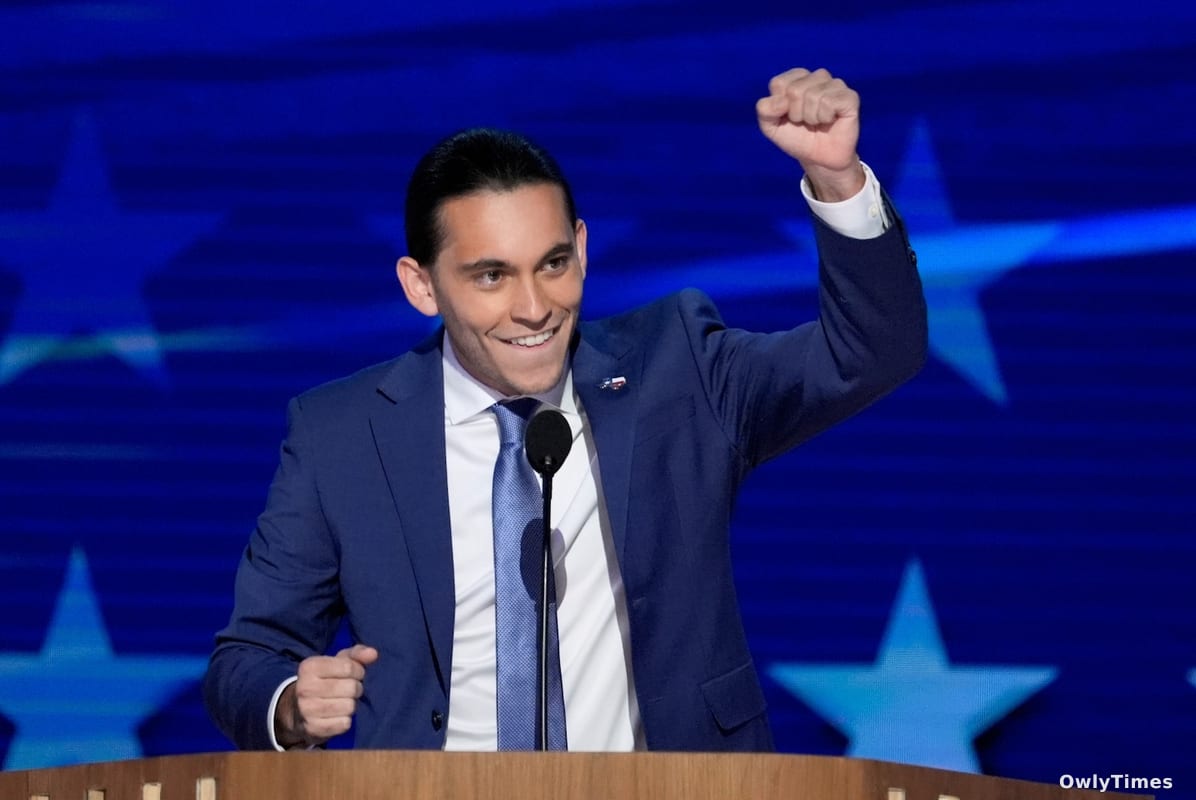

The Democratic Party’s belated embrace of online influencers isn’t a response to a shifting media landscape, but a direct acknowledgement of a power imbalance – and a strategic attempt to correct it. For years, the right has effectively weaponized decentralized digital networks to mobilize voters and shape narratives, while Democrats largely relied on traditional media and campaign infrastructure. The presence of Carlos Eduardo Espina, a digital strategist known for his viral political content, at a Texas rally isn’t about boosting a single candidate; it’s a signal that the party is finally attempting to build a parallel, digitally-native force. This isn’t simply about reaching younger voters, it’s about bypassing traditional gatekeepers and controlling the message directly – a tactic previously dominated by the opposition.
The Influencer Gap and the Texas Primary
The article, reported by the Associated Press’s Matt Brown, highlights the party’s efforts to leverage influencers ahead of the Texas primary. This timing is crucial. Texas, with its rapidly changing demographics and high voter turnout potential, represents a key battleground. But the state also presents a unique challenge: a highly fragmented media market and a population increasingly reliant on social media for news and information. The Democratic National Committee (DNC) has reportedly allocated an additional $15 million to influencer marketing in the first quarter of 2026 – a significant increase from the $3 million spent during the 2024 election cycle, but still dwarfed by estimates of Republican spending in this space. This financial disparity underscores the scale of the catch-up effort. The rally itself, featuring established Texas Democrats, served as a backdrop to introduce Espina as a key player in this new strategy, effectively elevating his profile and signaling the party’s commitment.
Reporting from The Washington Post informs this analysis.
Echoes of the Progressive Era and the Rise of “Character” Politics
This reliance on personality-driven digital advocacy isn’t entirely new. It echoes the tactics employed during the Progressive Era, where charismatic figures like Theodore Roosevelt utilized emerging mass media – newspapers and magazines – to bypass established political machines and appeal directly to the public. Roosevelt understood the power of cultivating a public persona and leveraging it for political gain. The difference now is the speed and scale. Where Roosevelt relied on print media, Democrats are now attempting to harness the viral potential of platforms like TikTok, Instagram, and YouTube. However, the inherent risk remains the same: a dependence on individuals whose brands and values may not perfectly align with the party’s broader platform. The focus on “authenticity” and “relatability” – hallmarks of influencer marketing – can easily devolve into a form of “character” politics, prioritizing image over substance.
Who Benefits and Who Loses in the Digital Shift?
The immediate beneficiaries of this shift are the influencers themselves, who stand to gain significant financial and political capital. Carlos Eduardo Espina, for example, has already seen a surge in followers and media mentions since his involvement with the DNC was announced. Digital marketing firms specializing in political campaigns are also poised to profit. However, the potential losers are more diffuse. Traditional media outlets, already struggling with declining readership and advertising revenue, face further erosion of their influence. Established political consultants, accustomed to controlling campaign messaging, may find their roles diminished. And, perhaps most importantly, voters themselves risk being subjected to a more manipulative and less transparent form of political communication. The algorithms that govern social media platforms prioritize engagement over accuracy, creating an environment ripe for misinformation and polarization.
The Limits of Digital Outreach and the Looming Shadow of Regulation
Despite the increased investment, the Democratic Party faces significant hurdles. Simply throwing money at influencers doesn’t guarantee success. Many voters are skeptical of sponsored content and wary of political messaging on social media. Furthermore, the regulatory landscape surrounding online political advertising is rapidly evolving. The Federal Election Commission (FEC) is currently considering new rules regarding disclosure requirements for influencer-sponsored content, a move that could significantly increase the cost and complexity of these campaigns. The potential for stricter regulations, coupled with the inherent volatility of social media platforms, creates a high degree of uncertainty. The political chess move to watch next isn’t whether Democrats can successfully mobilize voters in Texas, but whether they can navigate the increasingly complex and contested terrain of digital politics – and whether they can do so without sacrificing their core values in the process. Will the DNC push for comprehensive campaign finance reform to level the playing field, or will they continue to operate within the existing, deeply flawed system?