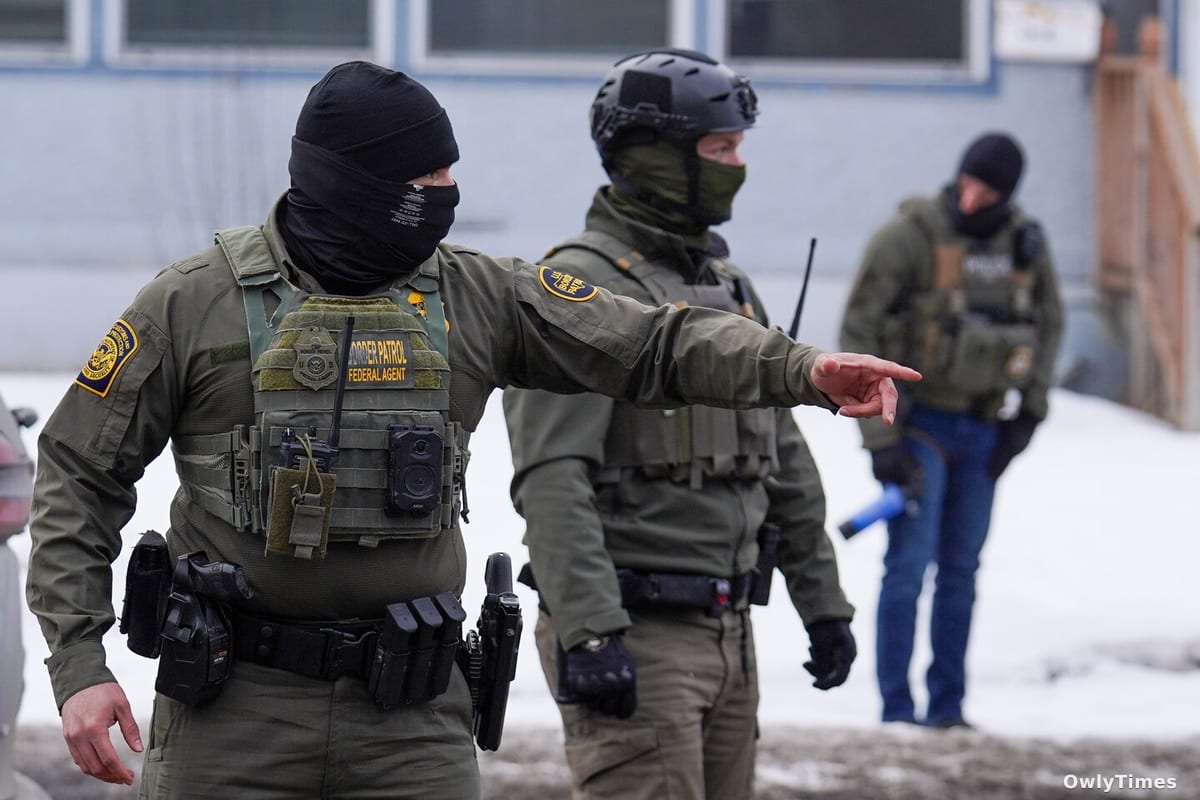

The assurance from the Department of Homeland Security that immigration agents won’t be present at polling places this November isn’t a concession to democratic norms, but a calculated repositioning in a long-running game of political leverage. The explicit promise, delivered by a DHS official to state election administrators on February 25, 2026, isn’t about suddenly abandoning enforcement; it’s about controlling the perception of enforcement, and mitigating a specific, politically damaging narrative that the Trump administration anticipates – and is actively attempting to neutralize. The move speaks to a deeper understanding of how anxieties about voter suppression can be weaponized, and how a preemptive denial can shape the battlefield before the first vote is cast.
The Calculus of Preemptive Denial
The timing of this assurance is critical. It arrives nearly nine months before the midterm elections, a period traditionally focused on candidate development and fundraising, but increasingly dominated by anxieties surrounding election integrity. The fear among Democrats, and vocalized by numerous voting rights groups, wasn’t simply about physical intimidation – though that was a concern – but about the chilling effect of a visible federal immigration presence. Even the possibility of encountering immigration enforcement while attempting to vote could deter eligible citizens, particularly within immigrant communities. This isn’t a new tactic; historically, the threat of disenfranchisement, whether explicit or implied, has been a tool used to manipulate voter turnout. Consider the poll taxes and literacy tests of the Jim Crow South, or the more subtle voter ID laws debated today – all operate on the principle of creating barriers, real or perceived, to participation. Trump’s previous rhetoric around border security and undocumented immigrants provided fertile ground for these fears to take root, making a preemptive denial strategically necessary.
Source material: The Washington Post.
Who Benefits and Who Loses?
The immediate beneficiary of this announcement is the Trump administration itself. By proactively addressing the concerns, they attempt to rob Democrats of a potent campaign issue. The narrative shifts from “Trump is actively trying to suppress the vote” to “Trump is responding to unfounded accusations.” This allows the administration to portray itself as reasonable and committed to fair elections, even while continuing aggressive immigration enforcement elsewhere. State election administrators, particularly in states with large immigrant populations, also benefit from the clarity. They can now confidently assure voters that federal immigration agents will not be involved in the polling process, potentially easing anxieties and encouraging participation. However, the losers are those within the administration who favored a more visible show of force. Hardliners likely argued that a presence at polling places would deter illegal voting (a statistically insignificant problem, but a persistent talking point) and send a message about border security. Their voices were clearly overruled, demonstrating a prioritization of political optics over ideological purity.
Echoes of the Past: Federal Intervention and Voter Suppression
This situation bears a striking resemblance to the “Federalization of Elections” debates of the 19th century. Following the Civil War, the federal government deployed troops to the South to oversee elections and protect the voting rights of newly freed African Americans. While ostensibly intended to ensure fair elections, these interventions were often perceived – and sometimes were – as heavy-handed and intimidating, particularly by white Southerners. The presence of federal authority, even with benevolent intentions, created resentment and fueled accusations of Northern interference. The current situation is, of course, reversed in its intent. The Trump administration isn’t deploying agents to protect voting rights, but is attempting to appear as though they aren’t interfering with them. However, the underlying dynamic – the potential for federal presence to influence voter behavior and perceptions – remains remarkably consistent. The key difference is the proactive attempt to control the narrative before any action is taken.
Beyond the Polling Place: The Broader Enforcement Landscape
The DHS assurance focuses narrowly on physical presence at polling places. It says nothing about enforcement activities near polling places, or about increased immigration checks in the days leading up to the election. This is a crucial distinction. While agents may not be stationed inside polling locations, increased patrols in surrounding neighborhoods, or targeted enforcement actions against individuals with outstanding immigration violations, could still have a chilling effect on voter turnout. The promise is a tactical maneuver, not a comprehensive policy shift. Furthermore, the administration’s broader immigration policies – including the continued separation of families at the border and the expansion of expedited removal proceedings – continue to generate fear and distrust within immigrant communities. These policies, regardless of what happens at polling places, will likely shape voter behavior.
The political chess move to watch next isn’t whether the administration keeps its word about polling places – it’s whether they subtly escalate enforcement activities in the weeks leading up to the election, creating a climate of fear without technically violating the promise. Will we see a surge in ICE raids in key swing states with large immigrant populations? That will be the true test of whether this assurance was a genuine attempt to address concerns, or simply a carefully crafted piece of political theater.





