
The Shutdown as Leverage: DHS Funding and the Escalating Battle Over Enforcement Power
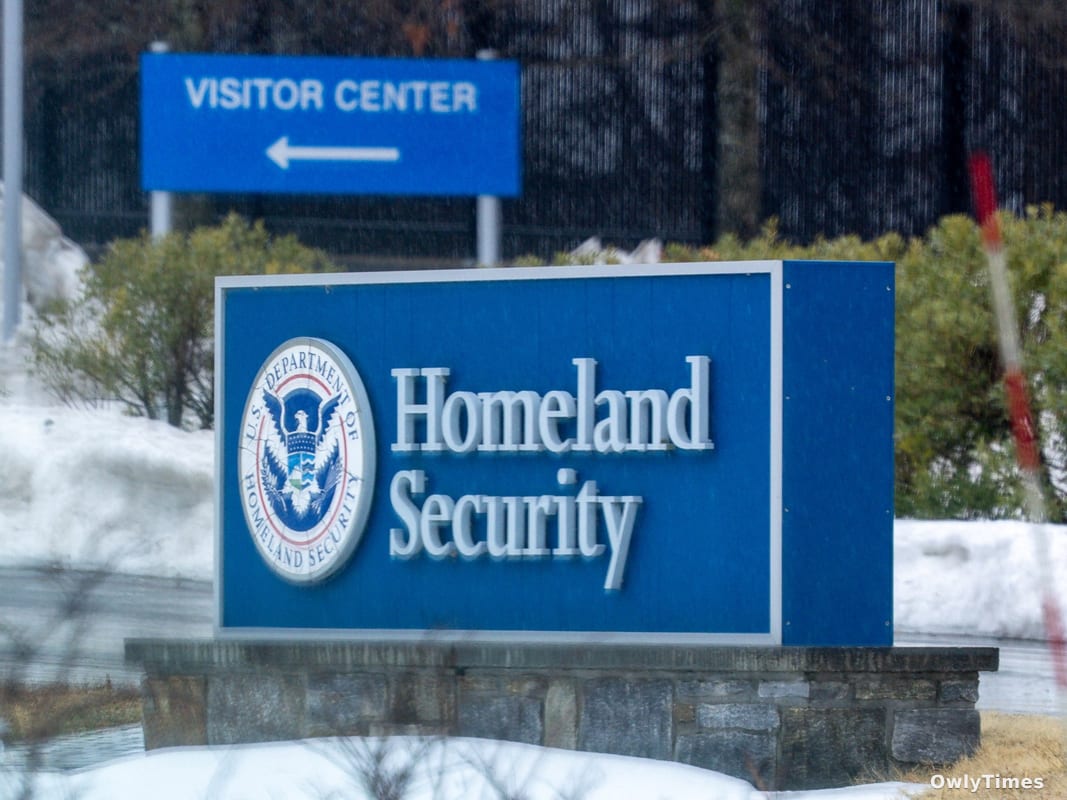
The third partial government shutdown of President Trump’s second term isn’t simply a budgetary impasse; it’s a calculated pressure point in a rapidly escalating conflict over the scope and accountability of federal immigration enforcement. The Department of Homeland Security (DHS) ran out of funding February 15th, triggering furloughs for 2,933 TSA employees – roughly 4.5% of the agency’s workforce – and leaving the remaining 95% working without pay. This isn’t a failure of governance so much as a deliberate strategy by both parties to force concessions on a deeply polarizing issue, leveraging essential services and public safety for political gain. The timing, coinciding with Congress’s recess until February 23rd, maximizes the disruption and minimizes immediate accountability to constituents.
Fatal Shootings Fuel Democratic Demands for Restraint
The shutdown’s immediate catalyst isn’t abstract policy debate, but the January 24th deaths of Alex Pretti and Renee Good in Minneapolis, shot by ICE and Border Patrol officers. These incidents have ignited a firestorm of criticism, particularly from Democrats who are now framing the issue not as border security, but as a threat to domestic safety. House Minority Leader Hakeem Jeffries’ ten-point plan, delivered to Republicans earlier this month, isn’t a negotiation tactic; it’s a public articulation of a growing demand for fundamental changes to DHS operations. The proposals – banning masks, requiring judicial warrants for entering private property, verifying citizenship before detention – represent a significant attempt to roll back the expansion of enforcement powers that has characterized the Trump administration and, increasingly, the current one. The demand for visible identification and clear uniforms is particularly pointed, addressing concerns about accountability and the potential for abuse of authority.
Drawn from Al Jazeera.
Minnesota’s Challenge to Federal Authority
The situation in Minnesota adds another layer of complexity. Drew Evans, superintendent of the Bureau of Criminal Apprehension, publicly stated the FBI’s refusal to share evidence related to Pretti’s death is “concerning and unprecedented.” This isn’t merely a procedural disagreement; it’s a direct challenge to the principle of federal-state cooperation in law enforcement. Historically, such refusals to share information are reserved for cases involving national security or ongoing investigations that could be compromised. The implication here is that the federal government is actively shielding its agents from scrutiny, fueling accusations of a cover-up and further eroding trust. This echoes historical tensions between federal and state authorities, notably during the Civil Rights era when the FBI often prioritized protecting federal interests over investigating local abuses of power.
The Political Calculus of “Unreasonable” Demands
The swift dismissal of Democratic demands as “unreasonable” by figures like former border chief Tom Homan and Senator Markwayne Mullin isn’t surprising. It’s a predictable tactic to frame the opposition as extremist and obstructively political. However, labeling the demands as “political theatre” ignores the very real political pressure building within the Democratic party, driven by progressive activists and increasingly vocal constituents. The core tension lies in the diverging definitions of “security.” For Republicans, security primarily means border control and the removal of undocumented immigrants. For Democrats, particularly in urban centers, security increasingly encompasses protection from perceived overreach by federal enforcement agencies and the preservation of civil liberties. This fundamental disagreement makes compromise exceedingly difficult. The fact that 95% of TSA staff are working without pay highlights the immediate human cost of this political standoff, but also underscores the administration’s willingness to endure that cost to maintain its position.
The Next Move: Will State Attorneys General Intervene?
The critical chess move to watch isn’t what happens in Washington during the Congressional recess, but whether state Attorneys General – particularly in states like Minnesota – will pursue independent investigations into the shootings and attempt to compel the federal government to release evidence. A coordinated legal challenge, framed as a defense of state sovereignty and public safety, could significantly escalate the conflict and force the Trump administration to either concede ground or risk a protracted legal battle with potentially damaging revelations. The FBI’s current stance suggests a willingness to defend its authority, but the political and legal pressure is mounting. The question is not if this conflict will escalate, but how – and whether it will ultimately lead to meaningful reforms of DHS operations or simply further entrench the existing divisions.





