
Is the modern battlefield becoming less of a place for soldiers and more of a high-stakes, real-time software debugging session gone wrong? We like to think of geopolitical conflict as a series of grand, strategic maneuvers, but the reality on the ground in the Middle East right now looks more like a volatile, interconnected network crashing under the weight of broken protocols and bad faith.
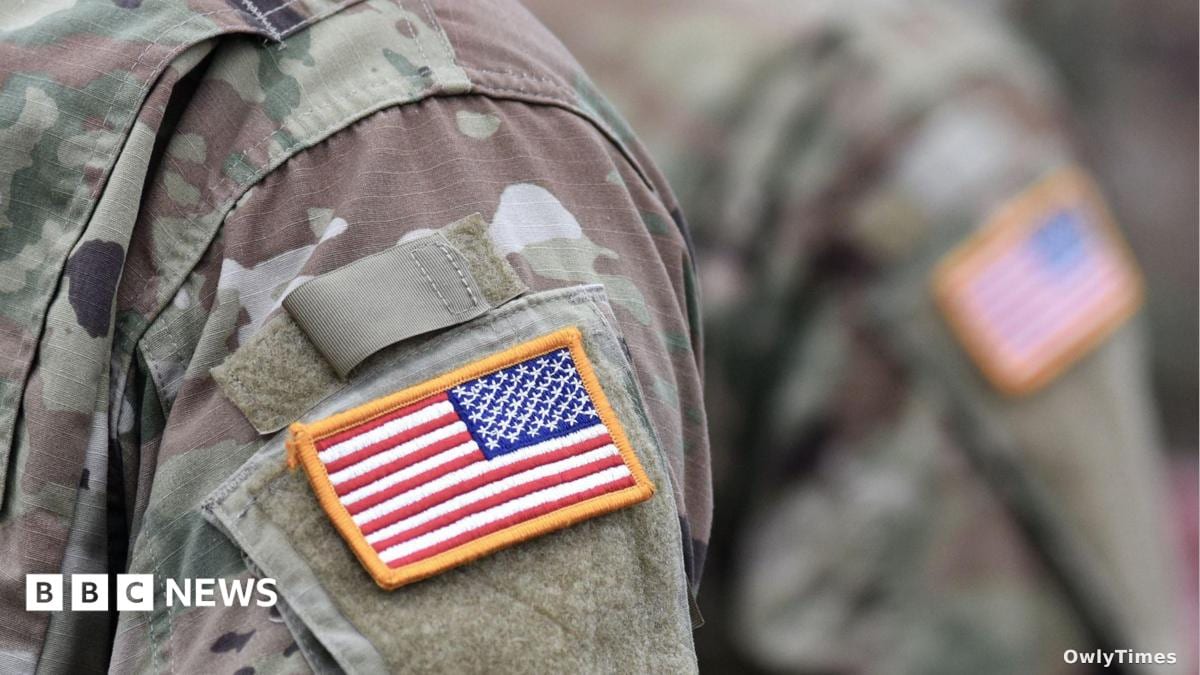
The real story here isn’t just the tragic loss of life in Jordan—it’s the total collapse of the digital and diplomatic "handshake" that was supposed to keep this region from spiraling into total war. U.S. Central Command (CENTCOM) confirmed on Saturday that two American service members were killed and one remains missing following an Iranian ballistic missile and drone attack on Friday, according to the BBC. While the military has withheld identities pending next-of-kin notification, the incident marks a grim milestone: CBS News reports this brings the total U.S. death toll in the conflict to 16, a figure corroborated by NPR, which notes that over 430 American personnel have been wounded since the hostilities began.
A Breakdown in the Protocol
The escalation follows the disintegration of a fragile memorandum of understanding (MoU), a diplomatic "patch" that failed to stabilize the region for even a month. Iranian Supreme Leader Mojtaba Khamenei, who has remained out of public view since the war's inception, issued a statement via a spokesperson declaring that President Donald Trump’s signature is "utterly worthless and devoid of credibility," as reported by Al Jazeera.
The technical nature of the conflict is increasingly messy. While The Guardian notes that the Islamic Revolutionary Guard Corps (IRGC) claimed to have destroyed two U.S. fighter aircraft at the Al-Azraq base, CENTCOM declined to verify those specific losses. Discrepancies in the narrative are rampant; for instance, while Iranian state media insists they effectively "stopped" ships in the Strait of Hormuz, the U.S. military maintains that its own naval blockade is the dominant force, with CENTCOM reporting the "redirection" of five commercial vessels.
Collateral Damage in the Infrastructure War
For the ordinary citizen in the Gulf, the tech-heavy warfare is hitting where it hurts: the literal lights and water. The Guardian highlights that Kuwait, which relies on desalination for 90% of its drinking water, suffered strikes on both its power and water facilities. This has drawn sharp condemnation from the Gulf Cooperation Council, with Secretary-General Jasem Mohamed Albudaiwi labeling the targeting of civilian infrastructure as "war crimes," a sentiment echoed by legal experts cited in Al Jazeera’s coverage.
The U.S. response has been equally aggressive. CBS News reports that a new wave of U.S. airstrikes began at 6 p.m. ET Saturday, marking the eighth consecutive night of operations. Defense Secretary Pete Hegseth took to X to characterize the response as a stiffening of resolve, yet the human cost continues to climb. NPR cites Iranian health ministry figures claiming 50 deaths and 500 wounded on their side, a stark reminder that this "degrading of capabilities" is, in reality, a high-velocity human catastrophe.
As the Strait of Hormuz remains effectively closed and the Department of State issues global travel advisories urging "increased caution," the next trigger is already visible on the horizon. The conflict is currently tethered to the survival of the Iranian energy grid; with the energy ministry already rationing power due to extreme heat, any further successful U.S. strikes on power infrastructure will likely force a "full-scale offensive" response from Tehran, as threatened by military adviser Mohsen Rezaee. We are watching a system that has run out of redundancies.