
If Silicon Valley has its way, every piece of art we consume will eventually be fed through an algorithmic woodchipper, smoothed over by machine learning, and spat back out as sterile, "optimized content." The tech evangelists promise us that artificial intelligence will democratize creativity, making everything faster, cheaper, and more efficient. But they rarely ask what we lose when we replace human labor with automated approximation. The real story here isn't that a famous director is throwing shade at generative AI — it's that we are witnessing the opening salvos of a high-stakes cultural war over whether genuine human craftsmanship is still a luxury worth paying for.
The High-Stakes Fight for Human Depth
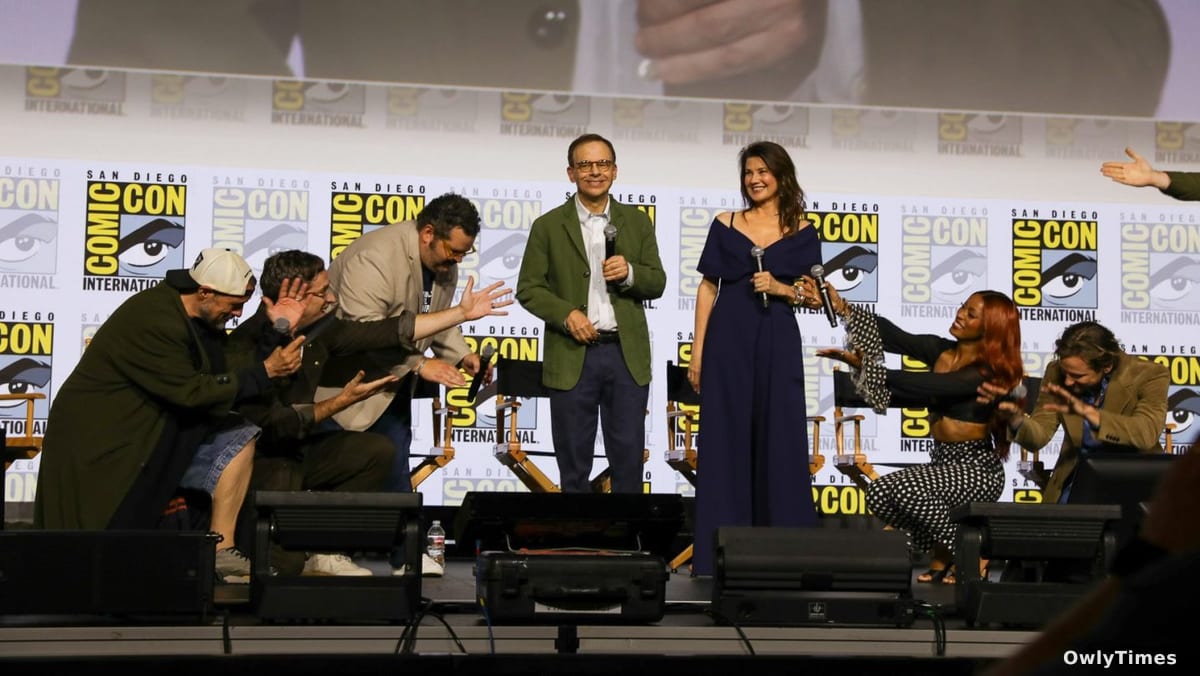
At the center of this battleground is Oscar-winning filmmaker Guillermo del Toro, who used his platform at San Diego Comic-Con on July 24 to draw a hard line in the sand. Speaking to a packed audience, del Toro announced that the upcoming 20th-anniversary theatrical re-release of his dark fantasy masterpiece, Pan's Labyrinth, would feature "absolutely no goddamn AI." According to Variety, the director opted to convert the film into 3D entirely by hand for its October 9 premiere.
Converting a flat 2D film into a three-dimensional space is a painstaking process of spatial mapping. Using AI to do this is like using a smart filter to colorize a black-and-white photograph; it is fast, but it lacks artistic intent. Del Toro rejected the shortcut, explaining that a human made a decision of depth for every single frame. As reported by Deadline, he admitted that this manual method is significantly more expensive, but insisted that protecting the "beauty and the redeeming power of art" outweighs the financial savings.
The False Promise of the Algorithmic Shortcut
For ordinary moviegoers, the creep of AI into post-production might seem like an inside-baseball industry dispute. But the technical shortcuts taken in Hollywood directly affect the texture of the stories we experience. When a studio uses algorithms to upscale, de-noise, or convert classic cinema, the resulting image often suffers from a plastic, uncanny-valley sheen that erases the original film grain and director’s intent. Del Toro’s refusal to compromise preserves the very elements that made the original 2006 release a global phenomenon.
The original film, which grossed $83 million worldwide, earned six Academy Award nominations and won three for its cinematography, art direction, and makeup. It is a cinematic legacy built entirely on physical craftsmanship, from the intricate set designs to the terrifying, hand-applied prosthetics. While Variety describes the film's setting as 1944 Francoist Spain in the aftermath of the Spanish Civil War, Deadline notes it as a dark fantasy set during the civil war of 1936-1939. Regardless of the exact historical framing, the film's enduring power relies on the tension between historical horror and fairy-tale surrealism—a delicate balance easily ruined by automated tools.
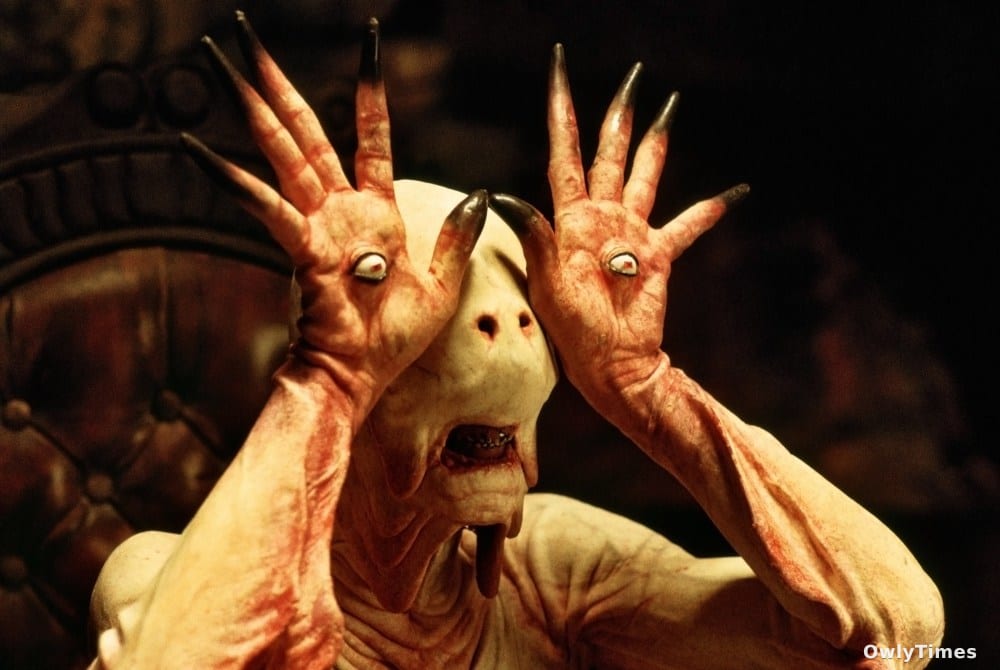
Del Toro recalled that his crew was initially highly skeptical of his vision, particularly when they saw a mythical faun walking through a grim historical drama. But the skepticism evaporated during the filming of the iconic Pale Man scene, where actor Doug Jones—who starred alongside lead actress Ivana Baquero—held his own eyes in his hands. That unforgettable moment of practical effects and physical performance proved that human imagination cannot be easily systematized.
A Line in the Sand for the Creative Class
The director’s resistance to automation is not a new whim. As documented by Rolling Stone, del Toro has previously stated he would "rather die" than utilize generative AI in his filmmaking, arguing that automated tools threaten to sever the historical lineage of artistic mediums. "If we cut a generation of people from learning their craft, you’re cutting the rest of the history of that medium away from them," he warned at Comic-Con.
To celebrate the manual artistry behind the original production, the upcoming re-release will also tease a new documentary. According to Variety, this documentary features commentary from high-profile stars including Jacob Elordi, Cate Blanchett, and Charlie Day, detailing how the film's intricate world was constructed. The re-release will be presented in 4K, 3D, and HDR by Cineverse and Fathom, with each version personally overseen by del Toro.
The ultimate test of this anti-AI stance will not be fought in the press, but at the box office. When the film originally debuted at the Cannes Film Festival, it received a historic 22-minute standing ovation. Whether modern audiences will show the same level of devotion remains to be seen. We will get our first concrete signal of whether consumers are willing to put their money where their mouths are when tickets go on sale on September 9, ahead of the October theatrical release.