
$6 Trillion Echo: Why JPMorgan’s Dimon Sees 2008 Repeating
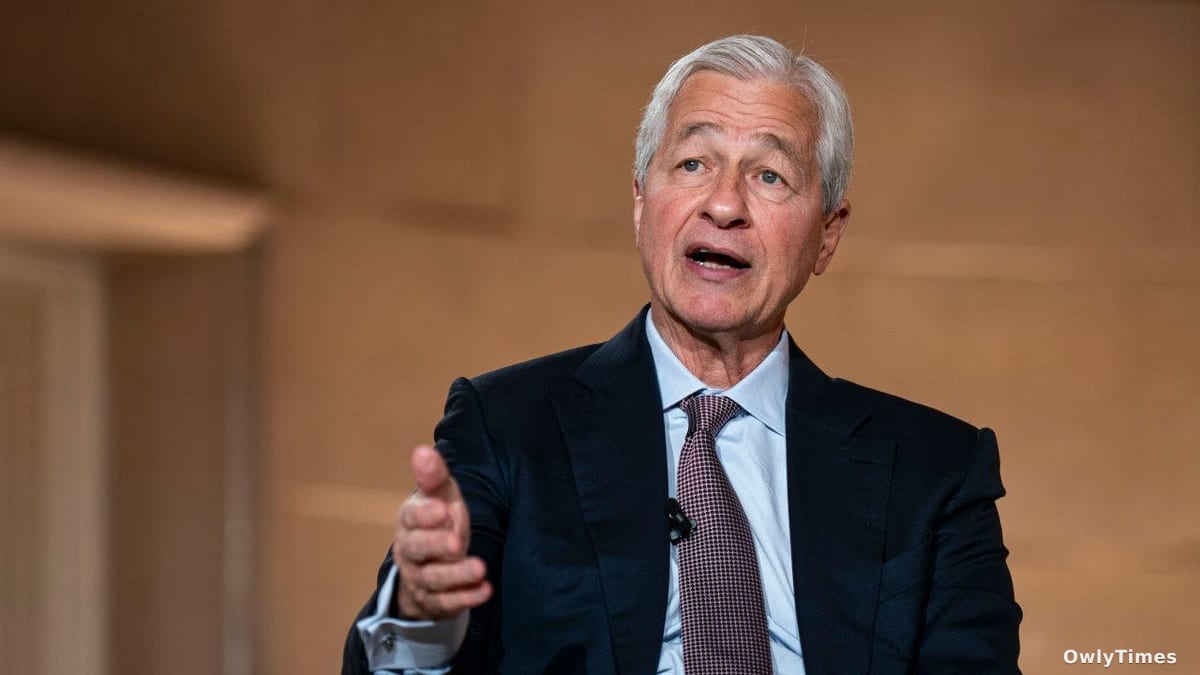
A 2% surge in JPMorgan Chase’s (JPM) stock price on Monday, closing at $303.30 and adding $6 billion to its market capitalization, masks a far more sobering message delivered by CEO Jamie Dimon: current financial market conditions are mirroring those preceding the 2008 financial crisis. This isn’t simply a qualitative assessment; Dimon’s comparison to 2005-2007 – a period characterized by rampant leverage and escalating asset prices – points to a systemic risk building within the $6 trillion-plus U.S. credit market. Follow the money, and the pattern is clear: a prolonged period of easy credit, now exceeding a decade, is fostering complacency and incentivizing “dumb things,” as Dimon bluntly put it, to boost short-term profits.
Dimon’s warning isn’t isolated. Last fall, JPMorgan Chase absorbed a $170 million loss from the bankruptcy of subprime auto lender Tricolor, prompting his “cockroach” analogy – a single visible problem indicating a larger, hidden infestation. This echoes the early warning signs of the housing bubble, where the failure of smaller lenders foreshadowed the collapse of giants like Lehman Brothers. The current situation differs in its specifics, but the underlying dynamic is the same: a credit bull market since 2010 has inflated asset values and obscured underlying vulnerabilities. While the Federal Reserve has been aggressively raising interest rates to combat inflation, Dimon suggests this hasn’t fully curtailed the reckless behavior he’s observing, and may even be exacerbating it as institutions chase yield.
Reporting from foxbusiness.com informs this analysis.
The re-emergence of European and Japanese competitors is a critical, often overlooked, component of Dimon’s analysis. Increased competition is generally “good for the world,” he conceded, but it also pressures margins and can lead to riskier lending practices as firms attempt to maintain profitability. This dynamic is particularly concerning given the current environment of high asset prices and volumes, where the perception of risk is demonstrably low. Dimon’s anxiety isn’t assuaged by these inflated figures; in fact, he believes they increase the risk, creating a more fragile system susceptible to a sudden shock. The historical context is stark: the last major credit crisis, 2008, wiped out trillions in wealth and triggered a global recession.
However, the potential epicenter of the next crisis isn’t mortgages, but software – specifically, companies fueled by the artificial intelligence boom. Dimon describes “moving tectonic plates” beneath the surface of the tech sector, suggesting that valuations may be disconnected from fundamental realities. This isn’t a dismissal of AI’s potential, but a caution against the irrational exuberance that often accompanies disruptive technologies. The speed of innovation in AI creates a unique challenge for credit risk assessment; traditional metrics may be inadequate to evaluate the long-term viability of companies operating in this rapidly evolving landscape. This is compounded by the fact that many AI-focused firms are venture capital-backed, operating with limited revenue and relying on continued funding to sustain growth.
Dimon’s concerns extend beyond the private sector. His recent rebuke of a potential Federal Reserve subpoena – calling it “not a good idea” – underscores a growing tension between regulators and the financial industry. While the details of the subpoena remain unclear, it highlights the potential for increased scrutiny and intervention in a market that Dimon believes is already exhibiting dangerous trends. This regulatory friction, coupled with the underlying credit risks, creates a volatile mix. What this means for your wallet: prepare for increased volatility in the stock market and a potential tightening of credit conditions. Monitor the performance of software companies, particularly those heavily reliant on venture capital, and be wary of investments promising exceptionally high returns. The question isn’t if a credit cycle will turn, but what specific event will trigger it, and how prepared you are when it does.