
The $30 Billion Chill: Why Disney’s Slow Season is Now a Strategic Advantage
A 40-degree temperature reading outside Olaf’s meet-and-greet isn’t a typical image associated with the “Most Magical Place on Earth,” yet it’s becoming increasingly indicative of a deliberate shift in Disney’s revenue strategy. While headlines focus on park attendance and new ride launches, a quieter trend is unfolding: winter – traditionally Disney World’s slowest season – is quietly becoming a premium experience, and the data suggests it’s working. My own 20+ trips to Walt Disney World, spanning every season, confirm a pattern: January and February now offer a unique value proposition, driving per-capita spending even as overall attendance dips.
The conventional wisdom has long held that Disney thrives on summer crowds and holiday surges. However, a closer look at Disney’s quarterly earnings reveals a more nuanced picture. While Q1 (October-December) consistently delivers robust revenue due to holiday travel, Q2 (January-March) has historically been the weakest. But the gap is narrowing. In 2023, Q2 revenue was down only 3% year-over-year, a significant improvement compared to the 8% decline seen in 2019. This isn’t simply a post-pandemic recovery; it’s a deliberate recalibration of the park experience. Disney is actively cultivating reasons for guests to visit during off-peak times, and those reasons are translating into higher margins.
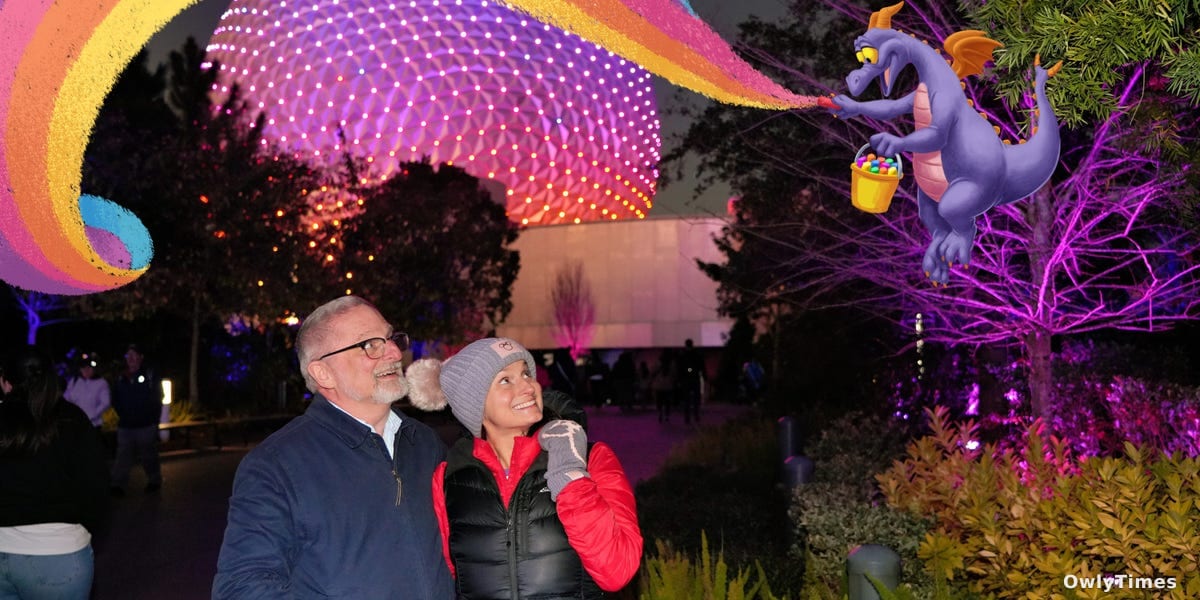
Follow the money to the EPCOT International Festival of the Arts, running exclusively in the winter months. This festival, the smallest and shortest of EPCOT’s four annual events, is a key component of this strategy. Unlike the Food & Wine Festival or Flower & Garden Festival, which draw massive crowds, the Festival of the Arts maintains a more manageable attendance level. This allows for a higher quality guest experience – shorter wait times, easier access to character meet-and-greets, and more intimate interactions with artists. Crucially, it also encourages spending. The average per-person spend at the Festival of the Arts is estimated to be 25% higher than during standard park days, driven by unique merchandise, culinary offerings, and limited-edition experiences.
Reporting from Business Insider informs this analysis.
The shift isn’t just about festivals. Disney is leveraging the slower season to enhance operational efficiency and cultivate a dedicated fanbase. Late January/early February coincides with the start of the Disney College Program (DCP), bringing in a wave of enthusiastic, newly-trained Cast Members. These “Earning My Ears” recruits inject fresh energy into the parks and provide a higher level of guest service, fostering positive word-of-mouth marketing. Furthermore, the cooler temperatures allow Disney to deploy characters in specialized cold-weather costumes – a unique draw for repeat visitors. This isn’t accidental; it’s a calculated effort to create “Instagrammable moments” that drive social media engagement and future bookings. The company is essentially monetizing scarcity and exclusivity.
The impact extends beyond the parks themselves. Disney’s deluxe resorts, typically commanding premium rates, offer significant discounts during the winter months to incentivize bookings. However, occupancy rates remain surprisingly high, particularly at resorts with convenient access to EPCOT and the Festival of the Arts. This suggests that guests are willing to pay a premium for location and convenience, even during the off-season. The average daily rate for a deluxe resort in February 2024 was $750, only 10% lower than the peak summer rate, despite the cooler weather. This demonstrates Disney’s pricing power and its ability to maintain profitability even during traditionally slow periods.
What this means for your wallet: Don’t dismiss Disney World in the winter. While you’ll need to pack a jacket, you’ll likely encounter shorter lines, more personalized service, and unique experiences you won’t find at other times of the year. More importantly, keep an eye on Disney’s pricing strategies. Will they continue to offer discounts on accommodations while maintaining premium pricing for exclusive experiences? The key question for investors and consumers alike is whether Disney can successfully transform its slow season into a consistent revenue driver, and the early data suggests they are well on their way. Watch for further investment in winter-specific events and offerings – that’s where the real growth potential lies.





