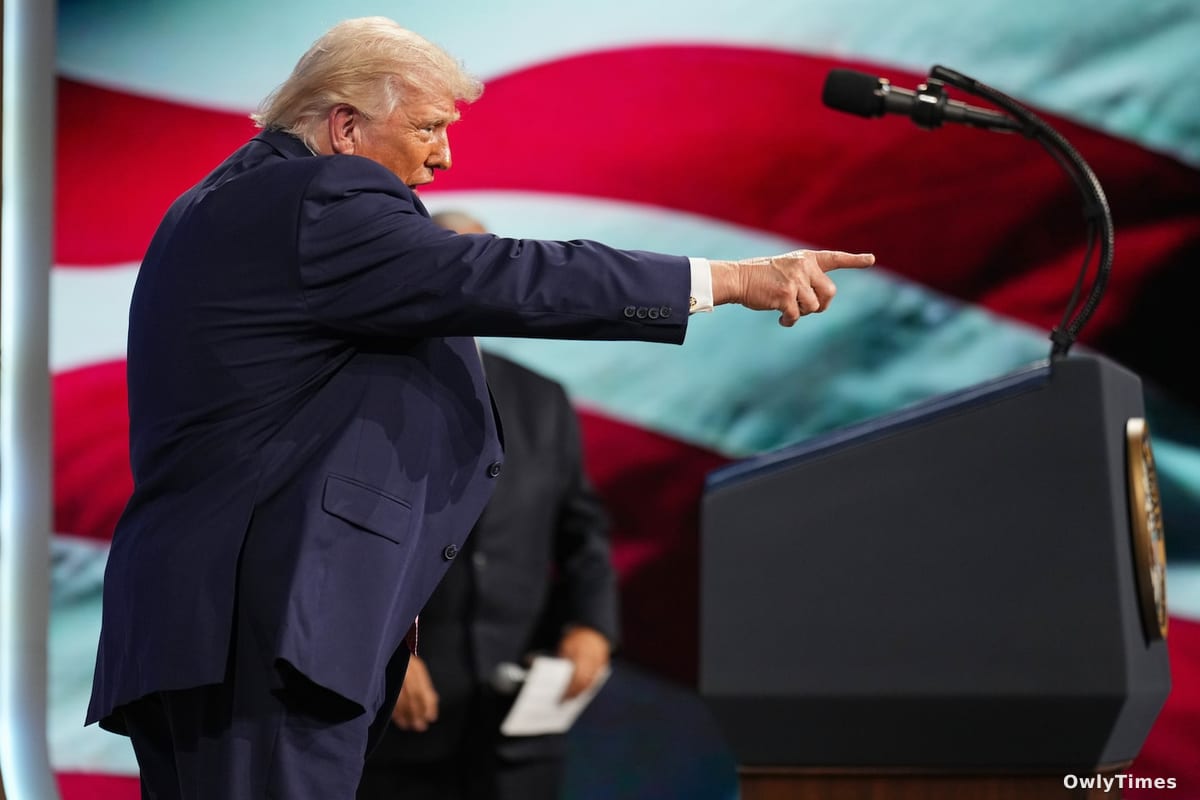

The calculated risk at the heart of President Trump’s threat to abandon NATO isn’t about military strategy; it’s about leveraging European dependence on American security guarantees to force financial contributions to a conflict – the ongoing war in Iran – that is increasingly unpopular both domestically and abroad. The statement, delivered March 27, 2026, at the Future Investment Initiative Institute’s summit in Miami Beach, wasn’t a spontaneous outburst, but a deliberate escalation of pressure designed to shift the economic burden of the Iran conflict onto nations benefiting from the stability the U.S. provides. This isn’t simply a renegotiation tactic; it’s a fundamental questioning of the post-World War II security architecture, and a gamble on whether allies will blink first.
The Iran War’s Mounting Costs and Shifting Alliances
The context is critical. The war in Iran, initiated in late 2024 following the alleged Iranian support for attacks on commercial shipping in the Strait of Hormuz, has proven far more costly – both in terms of lives and resources – than initially projected. Initial estimates placed the annual cost of the conflict at $50 billion; current figures, released by the Congressional Budget Office just last month, exceed $120 billion. While President Trump secured Congressional authorization for the initial military action, public support has steadily eroded as the conflict has become a protracted stalemate. Simultaneously, European nations, while condemning Iranian actions, have largely resisted direct military involvement, offering instead humanitarian aid and diplomatic pressure. This reluctance, coupled with their continued trade relationships with Iran despite sanctions, has fueled President Trump’s ire.
Source material: The Washington Post.
Who Benefits and Who Loses from a NATO Fracture?
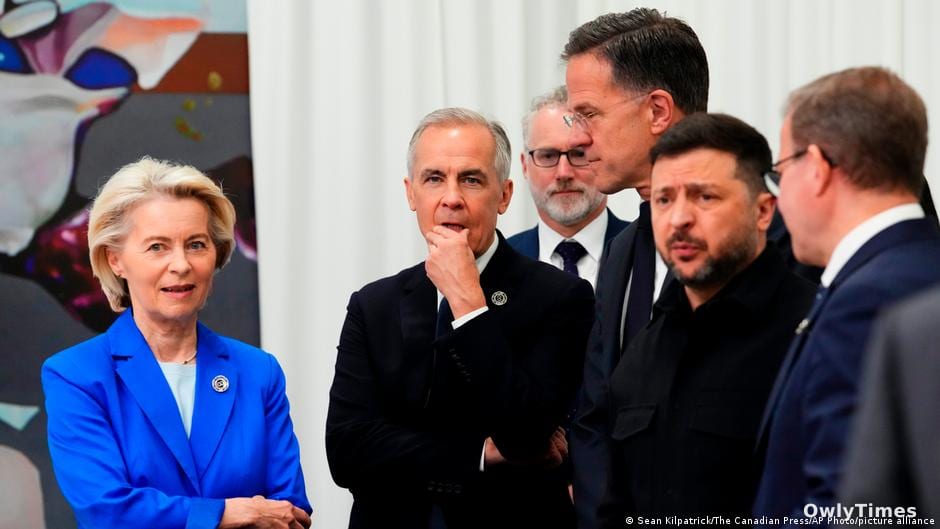
The immediate losers from a weakened NATO are, ostensibly, the European member states. Nations like Poland and the Baltic states, bordering Russia, rely heavily on the U.S. nuclear umbrella and collective defense provisions (Article 5) for their security. A U.S. withdrawal would force these nations to dramatically increase their own defense spending – a prospect few are prepared for – or seek alternative security arrangements, potentially opening the door for increased Russian influence. However, the calculation isn’t so straightforward. President Trump’s target isn’t necessarily the dismantling of NATO, but the alteration of its financial dynamics. He believes, and has repeatedly stated, that European nations have “free-ridden” on American security guarantees for decades, spending far below the agreed-upon 2% of GDP on defense. The implicit threat is clear: contribute financially to the Iran war, or risk losing the protection of the U.S. military. The beneficiaries, in this scenario, are arguably the defense contractors who would see increased demand for military hardware as European nations scramble to bolster their defenses, and potentially, Russia, which gains strategic leverage in a fractured European security landscape.
Historical Echoes of American Isolationism
This moment resonates with historical precedents. The interwar period of the 1930s saw a similar wave of American isolationism, fueled by disillusionment with European conflicts and economic hardship at home. The U.S., reluctant to become entangled in European affairs, adopted a policy of neutrality, even as fascism rose in Italy and Germany. While the circumstances are different – the current conflict is initiated by the U.S., not a response to external aggression – the underlying dynamic is similar: a questioning of the benefits of maintaining costly foreign entanglements. President Trump’s rhetoric, emphasizing “America First” and demanding that allies “pay their fair share,” echoes the isolationist sentiments of that era. However, unlike the 1930s, the U.S. is not facing a domestic economic crisis; the motivation is primarily political – to secure funding for a war that is increasingly unpopular at home.
The Limits of Leverage and the Risk of Miscalculation
The success of President Trump’s strategy hinges on his ability to convince European leaders that the threat to NATO is credible. However, there are limits to American leverage. European nations, while dependent on U.S. security guarantees, also possess significant economic and diplomatic power. A complete breakdown of transatlantic relations would have far-reaching consequences, potentially undermining global trade and financial stability. Furthermore, the threat to abandon NATO could backfire, prompting European nations to accelerate their own defense integration efforts, reducing their reliance on the U.S. in the long run. The most dangerous outcome, however, is miscalculation. A weakened NATO could embolden Russia to take more aggressive actions in Eastern Europe, potentially triggering a wider conflict.
The political chess move to watch next isn’t whether European nations will increase their financial contributions to the Iran war – that’s a likely outcome. It’s whether President Trump will follow through on his threat and formally announce a change in U.S. policy towards NATO at the upcoming summit in Brussels. A formal announcement, even if followed by a period of negotiation, would represent a fundamental shift in American foreign policy and a profound challenge to the existing international order. The question is not if he’s willing to disrupt the status quo, but when and how far he’s willing to go.