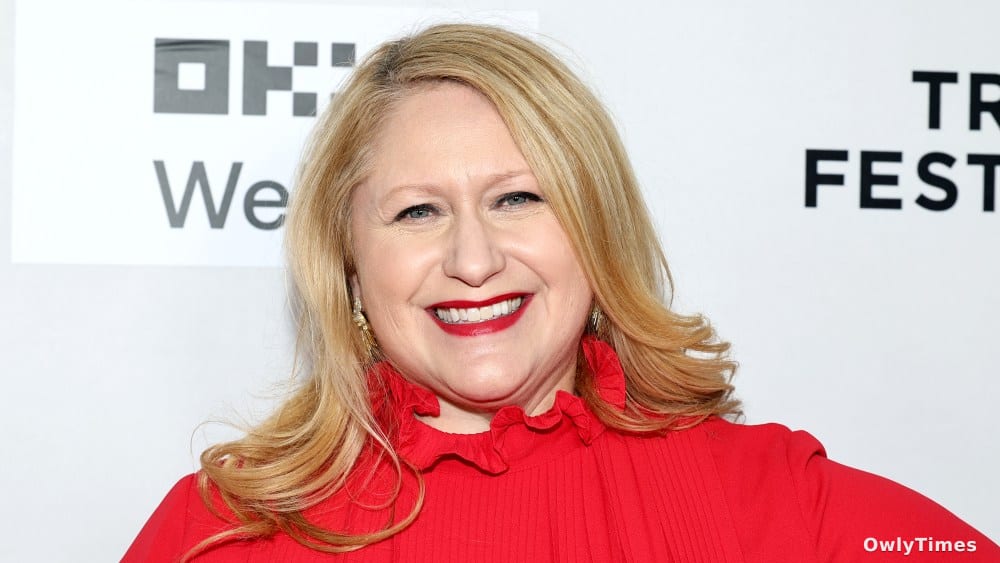

The scent of burnt coffee and quiet desperation hung in the air at Disney headquarters Monday morning. Not because of panic, exactly, but a palpable shift. It wasn’t the announcement of Josh D’Amaro as incoming CEO, nor Dana Walden’s promotion to Chief Creative Officer that had people subtly recalibrating. It was the elevation of Debra O’Connell to Chairman of Disney Entertainment’s television operations – a move that signals a fundamental re-centering of power within the entertainment giant, and a quiet acknowledgement that the creative and the financial can no longer operate in separate silos. This isn’t just a reshuffling of executive titles; it’s a bet on a business mind to navigate the increasingly turbulent waters of streaming, broadcast, and cable, a landscape where artistic vision alone isn’t enough to survive.
O’Connell’s appointment, unveiled alongside the broader leadership changes, is particularly striking given the context. Disney is at a crossroads. The streaming wars are far from won, with Disney+ needing to demonstrate a clear path to profitability after a period of aggressive subscriber growth followed by a sobering slowdown – losing 1.1 million subscribers in the last quarter of 2023 alone. Traditional television is in decline, and even the once-reliable cable networks are facing cord-cutting pressures. Walden, previously co-chair of Disney Entertainment, will now focus on the creative side, while O’Connell will essentially be the architect of how that creativity translates into revenue. This division of labor isn’t about separating art from commerce; it’s about recognizing that in the current media ecosystem, they are inextricably linked.
Beyond the headlines of executive appointments, this restructuring reflects a broader industry trend. For years, Hollywood operated on a model where creative talent held the ultimate sway, and business executives were largely relegated to supporting roles. But the rise of streaming, with its data-driven decision-making and relentless focus on subscriber acquisition and retention, has changed the game. Now, executives with a deep understanding of financial modeling, data analytics, and operational efficiency are increasingly being brought to the forefront. O’Connell’s long career at Disney – from president and general manager of WABC in New York to overseeing the business of “Live” with Kelly Ripa – demonstrates a consistent track record of making money, a skill set Disney clearly values in this new era.
Original reporting: variety.com.
The ripple effects of this reorganization are already being felt. The co-presidency of Disney+ and Hulu, now shared by Joe Earley and Adam Smith, reporting to both Walden and Alan Bergman, highlights the company’s commitment to integrating its streaming services. This is a crucial move, as Disney aims to offer a more unified and compelling value proposition to consumers. Earley will focus on content strategy, while Smith will continue to drive product and technology innovation. Furthermore, placing Disney’s entire videogames business, including the ambitious collaboration with Epic Games, under Walden’s purview signals a renewed focus on expanding Disney’s presence in the lucrative gaming market. This isn’t simply about adding another revenue stream; it’s about leveraging Disney’s beloved franchises to create immersive and engaging experiences for fans across multiple platforms.
But the most telling aspect of O’Connell’s memo to staff – a message brimming with gratitude and a call for “work hard, play smart and throw kindness like confetti” – is the sheer number of direct reports she’s now overseeing. From Ayo Davis and Disney Branded Television to Courteney Monroe at National Geographic Content, and even ad sales chief Rita Ferro, a vast swathe of Disney’s creative output now flows through her office. This concentration of power isn’t accidental. It’s a deliberate attempt to streamline decision-making, improve accountability, and ensure that every project aligns with the company’s overall financial goals. The question now is whether O’Connell can successfully balance the demands of creative excellence with the pressures of profitability, and whether this new structure will ultimately unlock Disney’s full potential in a rapidly evolving media landscape. Will Disney be able to navigate the complexities of a unified streaming strategy, or will the tension between creative vision and financial realities prove too difficult to overcome? That’s the story everyone in Hollywood – and on Wall Street – will be watching closely in the months to come.