
Is your digital library actually yours, or are you just renting space in a publisher’s ecosystem until they decide to charge you for the same pixels twice?
The real story here isn’t the return of a beloved fighting game franchise; it’s the increasingly aggressive way publishers are treating legacy purchases as disposable assets. It has been almost three months since the revival of Dead or Alive was first announced, but the recent reveal at Evo Japan 2026 confirms a consumer-unfriendly pattern that should make anyone with a digital game collection nervous.
The DLC Double-Dip Strategy
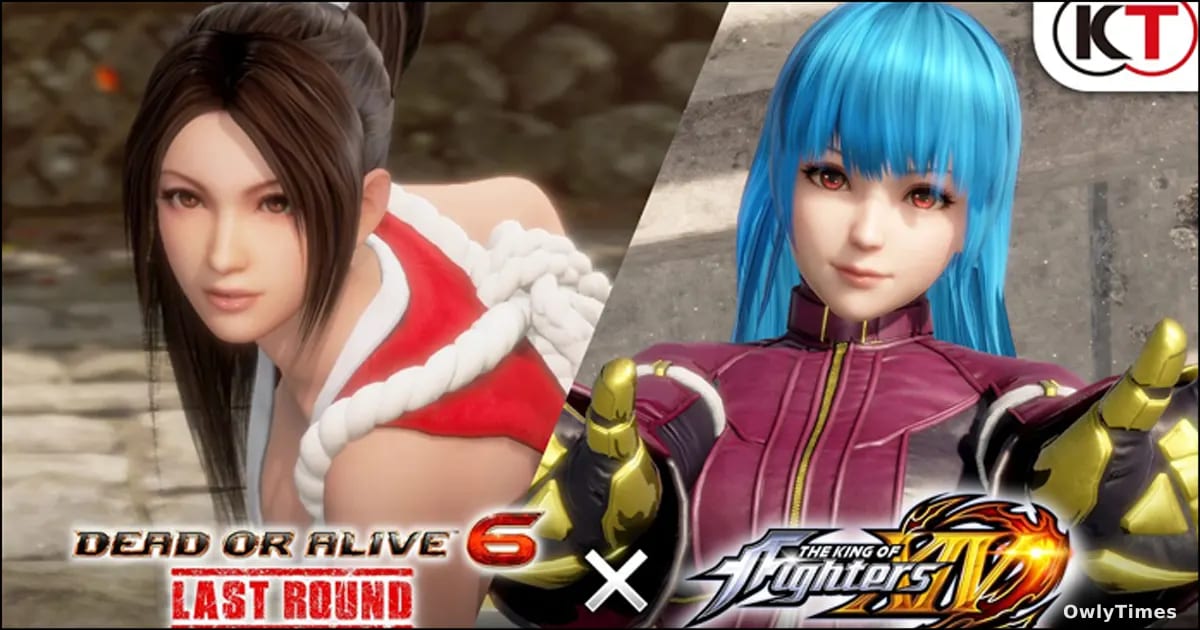
When Koei Tecmo pulled the curtain back on the new trailer for Dead or Alive 6: Last Round, they showcased the return of SNK guest characters Mai Shiranui and Kula Diamond. This might sound like a victory for fans who were told these characters wouldn't be returning, but the "catch" is a masterclass in monetizing nostalgia. While these fighters are back, they are absent from the standard edition of the new title.
Players who already paid for these characters in the previous version will find that their original DOA6 purchases do not carry over to Last Round. You are effectively being asked to buy the same digital goods a second time. By confirming that current owners will not receive a free or paid upgrade path, Koei Tecmo has made it clear that this is being treated as a entirely separate title, forcing a full-price repurchasing cycle for those who want their previous roster intact.
Modern Hardware, Dated Infrastructure
The industry often justifies these rereleases by pointing to "more powerful consoles," and Last Round is no exception. The title boasts an improved photo mode, new costumes, and an enhanced Lost Paradise "Oboro" stage to leverage the capabilities of the PlayStation 5, Xbox Series X|S, and PC. It is a common trend in Silicon Valley to prioritize visual fidelity and cosmetic add-ons as the primary value proposition for a new product, even when the underlying software architecture remains stuck in the past.
The technical specs reveal a glaring contradiction for a modern multiplayer game. Despite the move to current-gen hardware, Koei Tecmo has confirmed the game will not support crossplay. Furthermore, there has been no confirmation regarding the inclusion of rollback netcode—the gold standard for modern fighting games that ensures smooth online play. When a company asks users to rebuy a game for "enhanced" hardware while neglecting basic connectivity features, they are prioritizing the storefront over the player’s experience.
The Cost of Ecosystem Lock-in
We are watching a shift where the "game as a service" model is evolving into "game as a recurring subscription," without any of the benefits of a subscription. By decoupling the new release from the existing player base, the studio is testing just how much friction a dedicated community will tolerate before they hit their limit.
The next reading of the player sentiment and adoption rates following the June 25 launch will show whether this strategy of stripping away ownership and forcing repurchases is a sustainable business model or a bridge too far for the fighting game community.