
$63 Billion Exposure: The Petrochemical Industry’s Looming Financial Risks
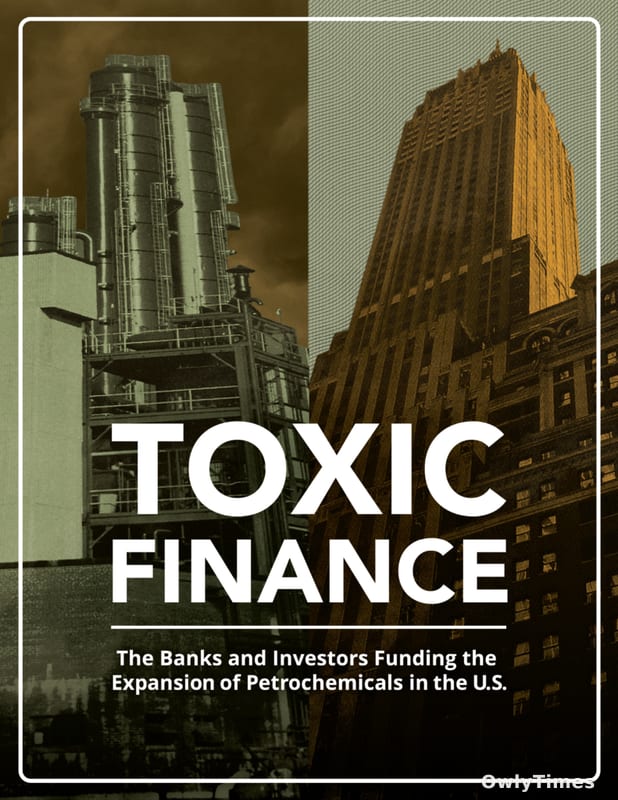
$63 billion. That’s the total financial exposure currently backing the expansion of the US petrochemical industry, according to a new report released March 24, 2026, by a coalition of environmental and justice groups including CIEL, Break Free from Plastic US (BFFP), and Friends of the Earth (FOE) U.S.. This isn’t simply an environmental concern; it’s a rapidly escalating financial risk that’s being largely overlooked by both investors and regulators, and the scale dwarfs previous estimates of potential liabilities within the fossil fuel sector. The report, titled “Toxic Finance,” meticulously maps the flow of capital – loans, underwriting, and investments – fueling a build-out of petrochemical facilities, often concentrated in communities already disproportionately burdened by pollution.
Following the Money to Key Financial Backers
The analysis identifies JPMorgan Chase, Citigroup, and Wells Fargo as the leading financiers of petrochemical expansion, collectively responsible for over 30% of the $63 billion in backing. These institutions aren’t funding isolated projects; they’re underwriting an industry predicated on increasing plastic production – a sector facing mounting pressure from both regulatory bodies and shifting consumer preferences. What’s particularly striking is the disconnect between these banks’ publicly stated commitments to sustainability and their continued financial support for projects demonstrably harmful to both the environment and public health. For example, JPMorgan Chase has pledged to achieve net-zero emissions by 2050, yet remains a key lender to companies like Formosa Plastics, currently proposing a massive new facility in Louisiana. This contradiction isn’t lost on legal observers, who anticipate increased litigation risk for financial institutions involved in these projects.
Original reporting: ciel.org.
Market Headwinds and the Plastic Recycling Illusion
The petrochemical industry’s expansion is predicated on continued demand for plastics, fertilizers, and synthetic chemicals. However, several key market forces are beginning to undermine this assumption. Global plastic production has increased exponentially in recent decades, yet recycling rates remain stubbornly low – hovering around 9% in the US as of 2025, according to data from the EPA. The industry has heavily promoted “advanced recycling” technologies as a solution, but these processes are often energy-intensive, produce hazardous waste, and are largely unproven at scale. This reliance on unproven technologies represents a significant financial gamble, and the report highlights the risk of stranded assets as these technologies fail to deliver on their promises. Furthermore, growing public awareness of plastic pollution is driving demand for alternatives, and several states are enacting legislation to restrict single-use plastics, further eroding the long-term market outlook.
Legal and Climate Risks Converge on Petrochemical Projects
Beyond market forces, the petrochemical industry faces a growing wave of legal challenges. Communities impacted by pollution from existing facilities are increasingly filing lawsuits alleging environmental damage and health impacts. The “Toxic Finance” report anticipates this trend will accelerate as new facilities come online, and that financial institutions could be held liable for funding projects that violate environmental regulations or contribute to human rights abuses. Simultaneously, the industry is facing increasing scrutiny over its contribution to climate change. Petrochemical production is a carbon-intensive process, and the expansion of the industry will exacerbate greenhouse gas emissions, hindering efforts to meet global climate targets. This creates a double bind for investors: projects face both immediate legal risks and long-term climate-related risks that could devalue assets and erode returns. The report points to the potential for increased insurance costs and difficulty securing financing as these risks become more apparent.
What This Means for Your Wallet
The financial implications of this situation extend beyond Wall Street. Increased litigation and regulatory scrutiny will likely translate into higher costs for petrochemical products, ultimately impacting consumers. More importantly, the continued expansion of the industry will exacerbate environmental pollution, leading to increased healthcare costs and diminished quality of life for communities living near these facilities. Investors should be asking a critical question: are the potential returns from petrochemical investments worth the escalating financial, legal, and reputational risks? Watch for increased shareholder activism targeting banks and investors involved in petrochemical financing, and anticipate a potential shift in capital allocation towards more sustainable alternatives. The true cost of petrochemicals isn’t reflected in the price at the checkout counter – it’s a hidden liability building within the financial system.